






Izium: Traditions, Culture, and Legends of the City in Difficult Times
All news | | 528 | Author: Elina Oshurko
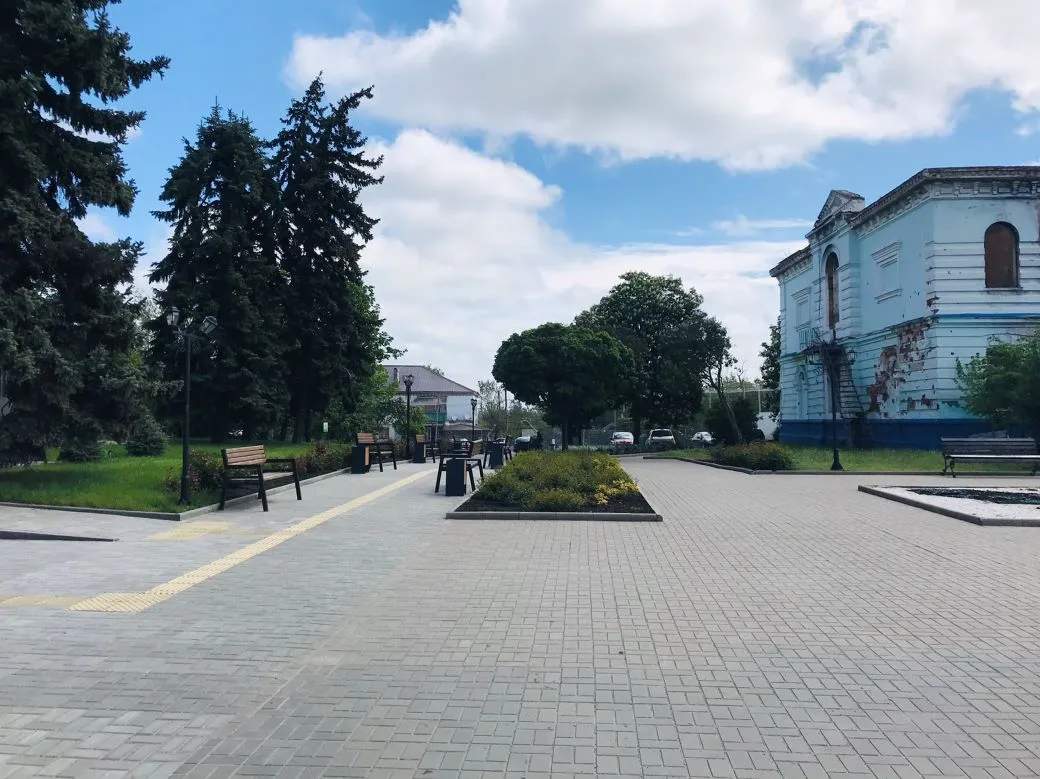
Main article image on the Gromada Group site
What traditions, culture, and legends about Izium still live on today?
Traditions, culture, and legends are an integral part of the life of the city of Izium. Despite the war in Ukraine, the people of Izium have not forgotten the legends, culture, and traditions of their hometown.
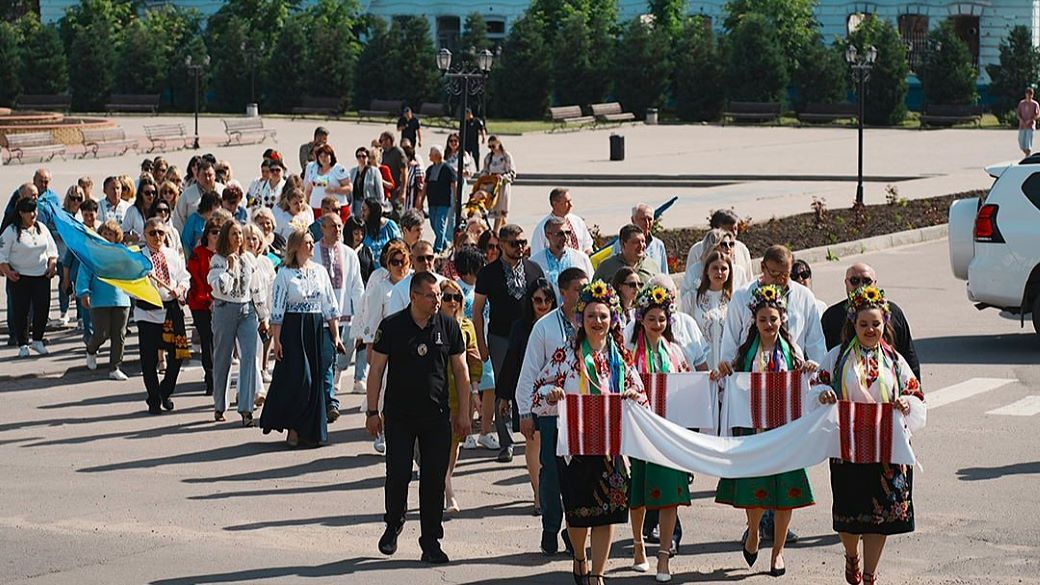
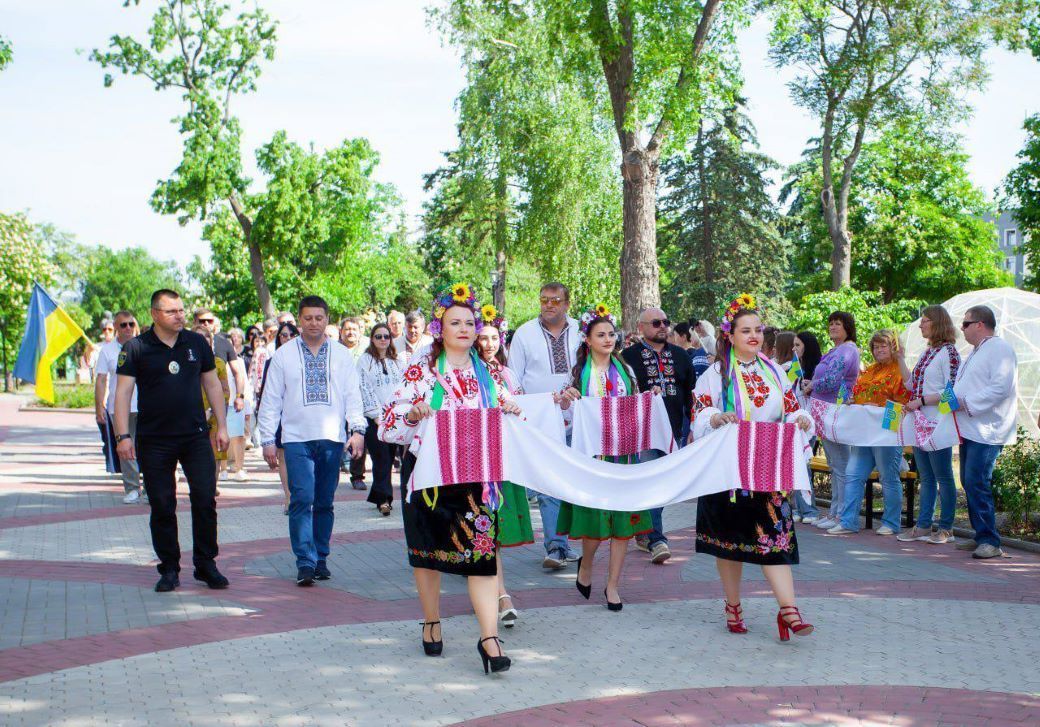
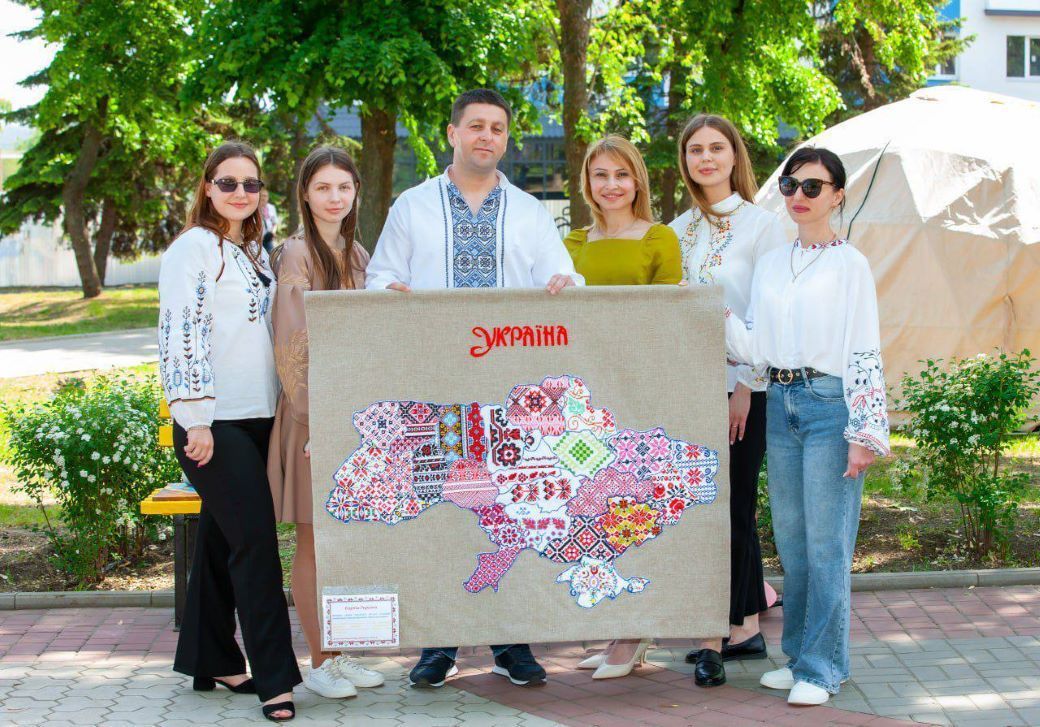
For example, the city honors its Cossack and hussar traditions. Izium was founded as a powerful Cossack fortress and, from 1685 to 1765, served as the center of the Izium Sloboda Regiment. Later, the Izium Hussar Regiment was formed on the basis of this regiment and participated in European campaigns of the 19th century. Respect for military valor and the defense of the native land became an important part of the identity of Izium residents. Even today, the city honors the Cossacks, as they symbolize the indomitable spirit of the Ukrainian people, protection, and victory over enemies.
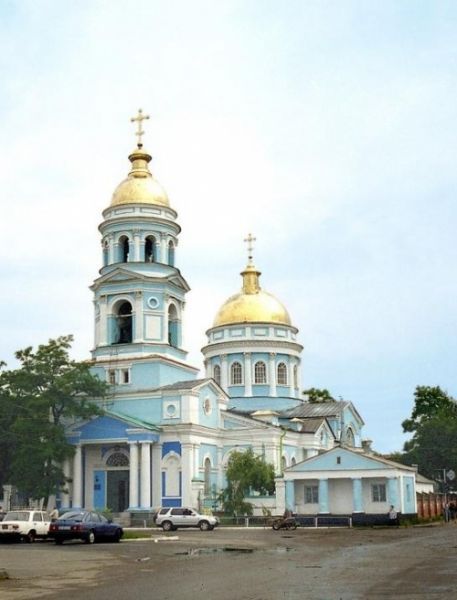
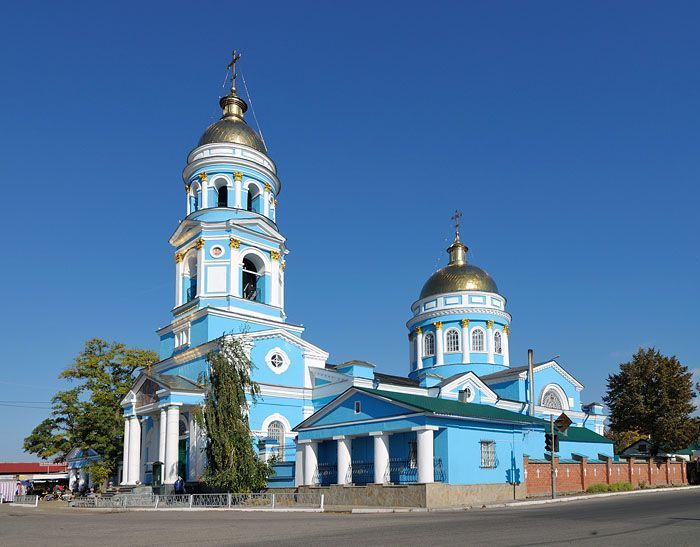
Izium also preserves sacred traditions. A vivid example is the Holy Ascension Cathedral, built in the 19th century, where the miraculous icon of the Pishchanska Mother of God is kept. People pay tribute through prayers during church services on major Christian holidays and every Sunday. This demonstrates that Izium remains an important religious center of the region.
Although Izium is a small city, its spiritual culture is also carefully preserved.
The local history museum is slowly being restored after a long occupation and looting. In 2022, during the battles for Izium, the museum suffered a direct shell hit. The roof was pierced, the walls were damaged, windows were shattered, and electricity and heating were lost. The occupiers stole the director’s chair, several samovars, and decorative sabers from the museum. Today, paintings are once again being brought there for exhibitions.
The art gallery contains sketches by Serhiy Vasylkivsky, as well as paintings by Mytrofan Fedorov, Vasyl Zabashta, Ivan Plys, and F. Kogan.
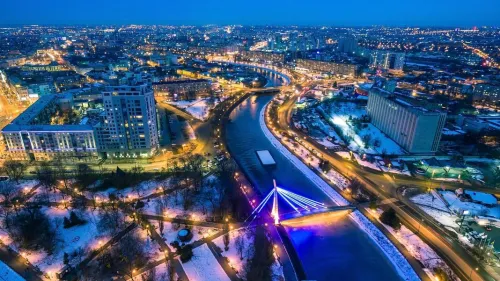
The museum halls host exhibitions such as “The History of the Izium Region,” “Izium — a County Town,” and the photo exhibition “Izium from a Bird’s-Eye View.”
The museum organizes excursions around Izium and also provides scientific and methodological assistance to the city’s educational institutions.
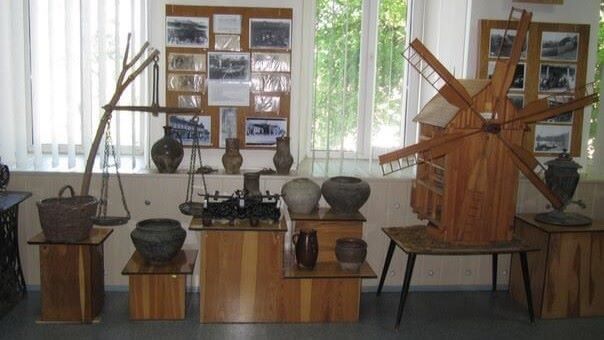
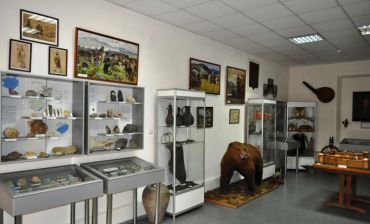
Three permanent exhibition halls operate continuously:
History of the Region (18th–19th centuries):
Household items, a portrait of A. O. Samborsky, and landscapes painted by Izium artists.
History of the Region (19th–20th centuries):
Artifacts illustrating life in the Izium region during times, a collection of banknotes, and weapons from the First and Second War.
Ethnographic Exhibition of Folk Masters:
Works created by craftsmen from Izium.

And how many legends surround this city! For example, there is the legend of the Scythian burial mounds and Cossack watch posts connected with Mount Kremenets, as well as archaeological legends about the Bondarykha tract, which gave its name to the famous Bondarykha archaeological culture of the Iron Age.
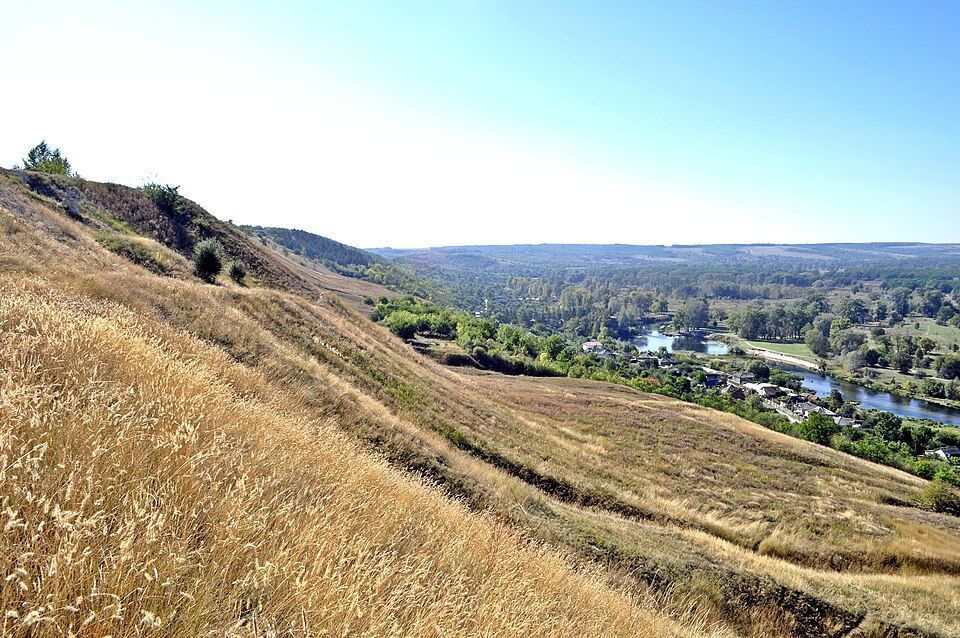
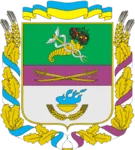
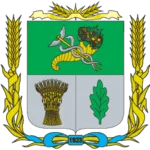
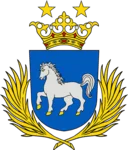
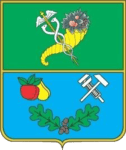
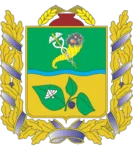
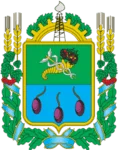
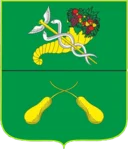
The city of Izium is also surrounded by myths. One interesting myth concerns the city’s coat of arms, approved during the reign of Catherine II: three grapevines with fruit symbolizing the city’s name and the state vineyard. At first glance, everything seems simple and pleasant. However, historians have long disproved this myth. The name “Izium” appears in documents as early as 1571, when no imperial vineyards yet existed. The fortress city itself was founded only in 1681, although the Izium guard post and the Izium trench had already existed there earlier.
This myth appeared later, when the Izium Regiment was already defending the borders and grapevines were indeed planted nearby. People enjoy simple explanations, so “izium” as dried grapes became a convenient and appealing story. In reality, the name has nothing to do with fruit. It originated from the local terrain and the strategic importance of the place where the steppe roads converged near the ford. Turkic nomads who dominated these lands for centuries gave their own names to the area, and the Slavic ear later transformed them.
This twist makes the legend of Izium even more fascinating. Instead of a sweet dessert, we see a harsh frontier reality, where every word in the city’s name carries traces of Tatar horse hooves and Cossack sabers.
There is also an interesting legend about the Izium Route — not merely a road, but a living artery that pulsed between the Wild Fields and the settled world from the 15th–16th centuries onward. Through this corridor, Crimean Tatars launched raids on Ukrainian lands, while Cossacks built fortresses to block the enemy’s path. The ford across the Siverskyi Donets River here was crucial: convenient, deep, and protected by the mountain.
The Turkic word “guzun” means “crossing” or “ford.” Local inhabitants used this name for the place long before the first Ukrainian settlements appeared. Near the ford stood a long mountain called “Uzun-Kurgan.” The two words merged into one, transformed through Ruthenian pronunciation, and eventually gave a name to the entire region and later the city itself. Researchers, including Doctor of Philology Mykhailo Hetmanets, convincingly argue that the rivers Izyumets or Mokryi Izyumets had nothing to do with the city’s name. Small streams could not have given their name to such a strategic route.
The route functioned like clockwork: in winter and summer, during peaceful years and wartime alike. Caravans traveled along it, cattle were driven through it, and messengers raced across it. The Cossacks who settled here in the second half of the 17th century quickly realized that controlling the Izium ford meant controlling the entire eastern border of Slobozhanshchyna. That is why, in 1681, Colonel Hryhorii Donets-Zakharzhevskyi founded a powerful fortress here with a “large” and “small” town, ramparts, and moats.
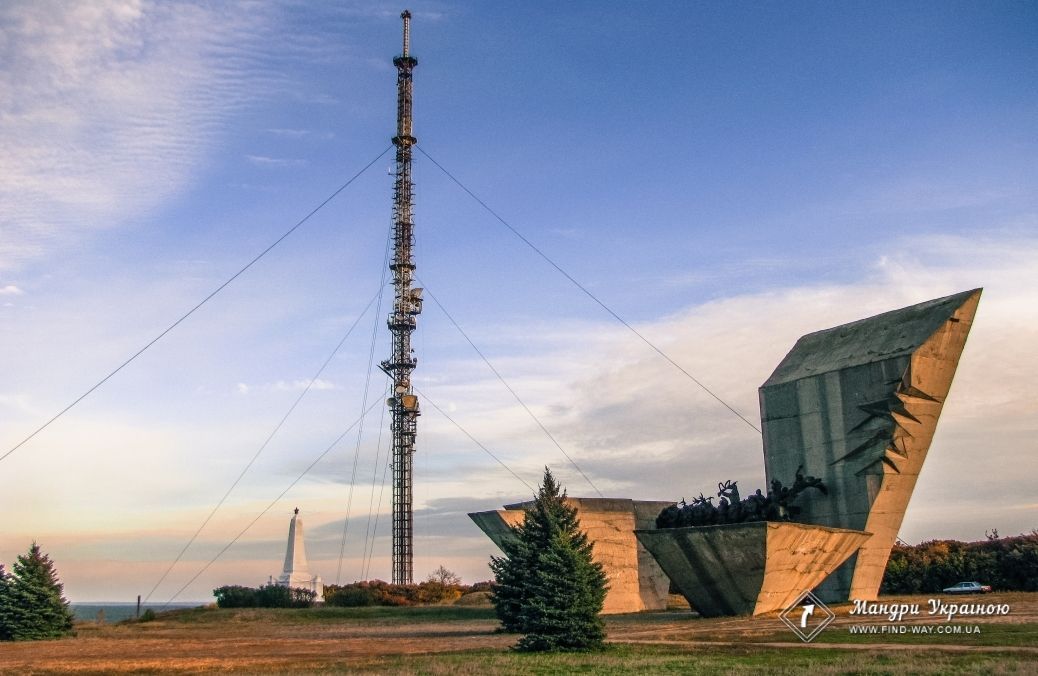
About Mount Kremenets it was once written: “The Tatars called it ‘Uzun-Kurgan’ — the long grave-mountain. Some believe that this very height was referred to by the author of The Tale of Igor’s Campaign as Shelomian: ‘O Russian land, you are already beyond Shelomian!’”
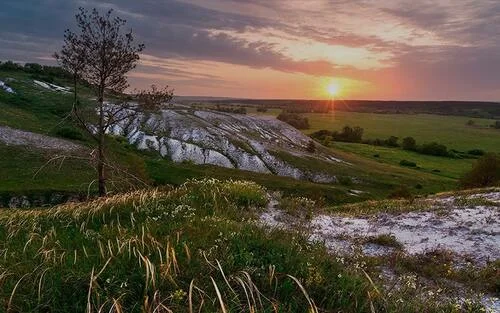
On the slopes of Kremenets stand silent witnesses of history — Polovtsian stone statues. These 9th–13th century sculptures, carved from local sandstone, preserve the images of warriors and women. According to an ancient legend, the tribes living in the steppe worshipped the sun god but angered him — either by spitting at the sun or cursing it for the scorching heat. Enraged, the god turned them to stone. Now they stand facing the steppe, reminding people of humanity’s thousand-year presence on these lands.
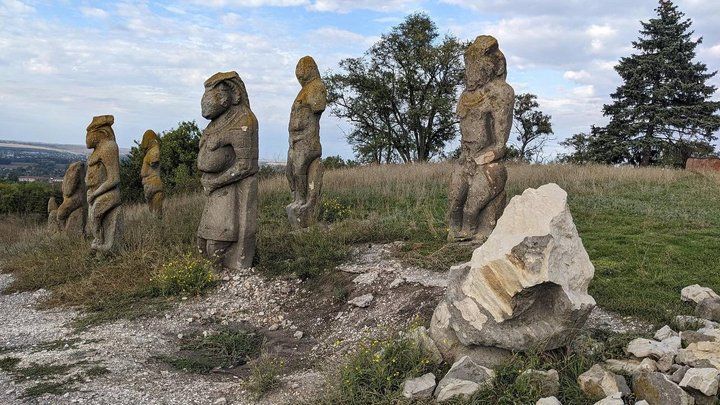
The mountain was not merely a landmark. At one time, a Tatar fortress — a “kermen” — stood on its summit. Later, the word was reinterpreted as “kremen” (“flint”) because of the rocky nature of the hill. Stone slabs with Arabic inscriptions were discovered there, and excavations uncovered traces of ancient fortifications. Kremenets witnessed the battles of Vladimir Monomakh against the Polovtsians in 1111, Prince Igor’s campaign of 1185, and countless Cossack watch posts.
There are also many legends about the founding of the city and about the miraculous Well that healed the daughter of the Cossack Kyrychenko. The girl had been blind from birth. Her father prayed fervently to the Holy Mother of God and one day received a revelation instructing him to dig a well in his yard.
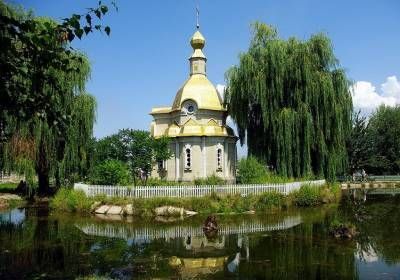
As soon as the Cossack struck the ground with his shovel, a powerful spring burst forth. The girl washed her face with the water — and regained her sight. According to another version, the spring broke through the floor of the house itself, and the splashes touched the child directly in the home. The Cossack’s homestead has long disappeared, but the well remains. Today, a chapel-bathhouse stands nearby. People travel from all over Ukraine to collect the healing water, bathe in it, and, according to legend, wash away sins and gain strength.
Despite all hardships, the people of Izium have preserved their traditions and culture, continue to honor them, and do not forget the legends of their native city.

Comments
Some more relevant news for now