


Main article image on the Gromada Group site
Despite the challenges of war, the spiritual life of Izium continues to flourish.
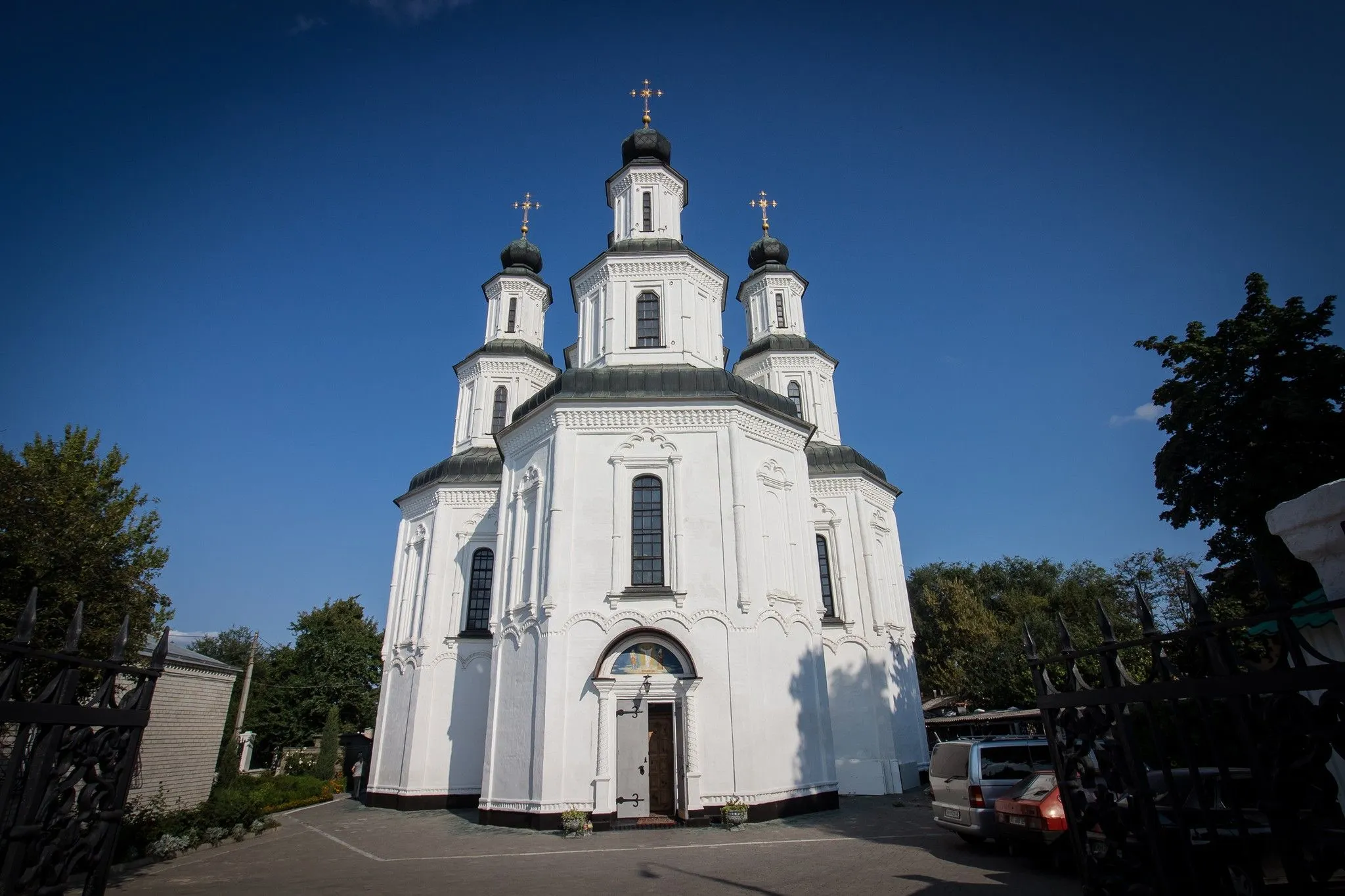
The Holy Transfiguration Cathedral of Izium: A Sanctuary That Has Endured Through Centuries of History and the Trials of War
Izium is one of the cities in Ukraine that has suffered the greatest devastation.
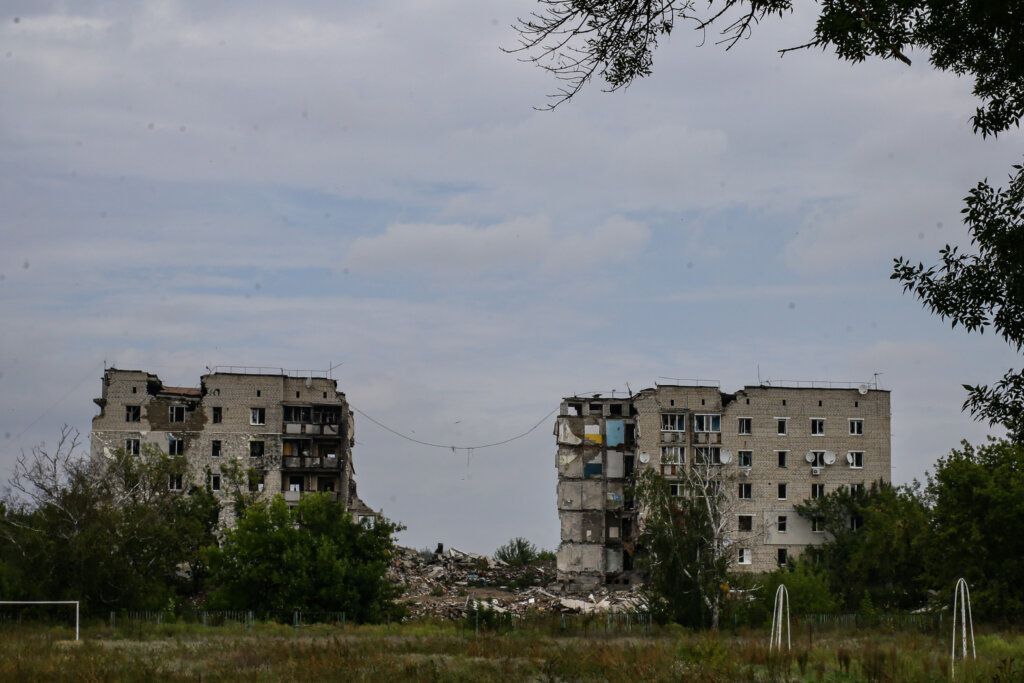
This ancient city of Slobozhanshchyna was, quite literally, being wiped off the face of the earth by the occupying forces.
Its ancient landmarks were damaged, including the Polovtsian stone statues on Mount Kremianets, as well as monuments commemorating the past, such as the Memorial of Glory, dedicated to the soldiers who lost their lives during the Second World War.
Unfortunately, churches and other religious buildings were also damaged.
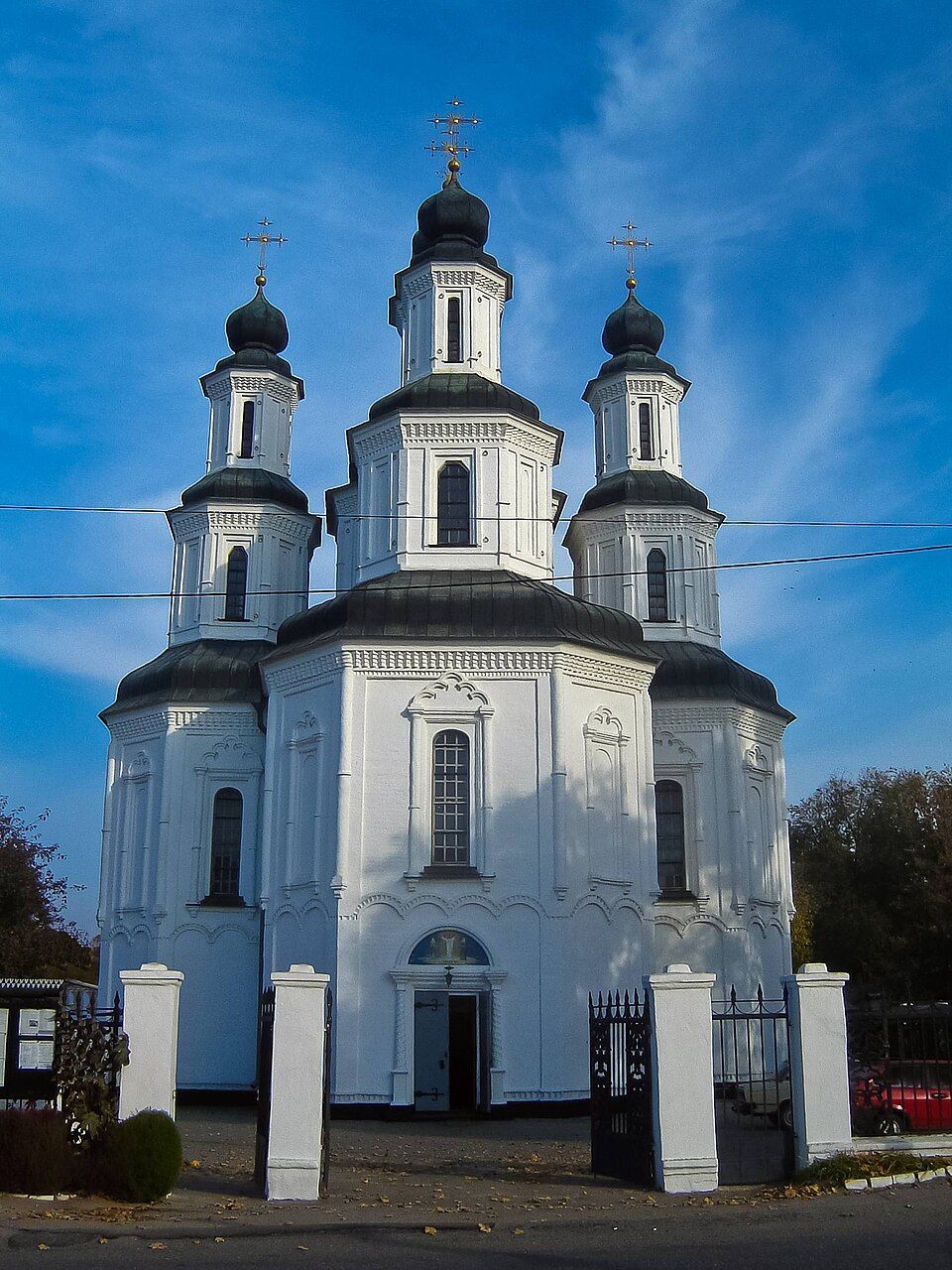
One of Izium's most renowned architectural landmarks is the Holy Transfiguration Cathedral.
The history of the cathedral dates back to the era of the Izium Cossack Regiment. It was built by regimental colonels Kostiantyn Hryhorovych Donets-Zakharzhevskyi and Fedir Shydlovskyi.
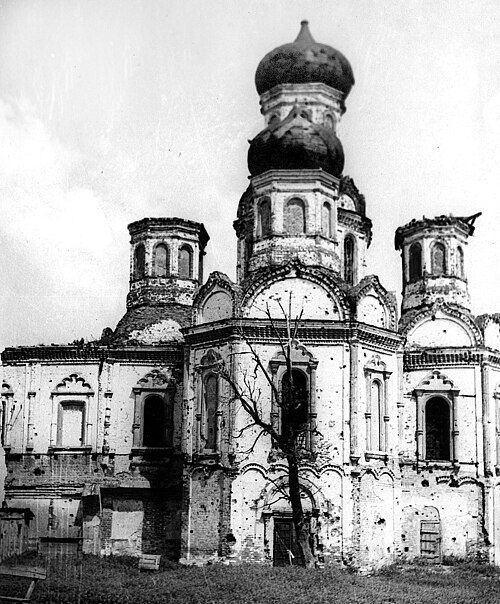
During the Second World War, the church suffered extensive damage: its eastern and western cupolas were destroyed, as was the western vestibule with its bell tower, and the vault above the western arm of the church was pierced.
In 1953–1955, the architectural monument was restored according to a design by architect M. Hovdenko. The destroyed western arm and cupolas were reconstructed, the original architectural forms, details and decorative elements were restored, and all later additions were removed. Special bricks were manufactured for the restoration, based on samples of the original masonry.
In 1983, the arch structures were reinforced, and the roofing of the church and its domes was replaced.
In 1991, the cathedral was returned to the religious community.
Following the liberation of Izium from Russian occupation, religious services resumed in the cathedral. Local residents and visitors describe it as a place of support and spiritual strength amid the war-ravaged city:
"In a city that breathes war, this church is a place of faith and hope. We prayed for Ukraine, for our defenders, for the families waiting for their loved ones, for medical workers and volunteers, and for everyone whose lives have been touched by the war."
The clergy's assessment of the situation in Izium is deeply troubling.
"Our hometown has been under the constant threat of shelling for a long time. Almost every day, its residents are forced to live amid danger, anxiety and uncertainty."
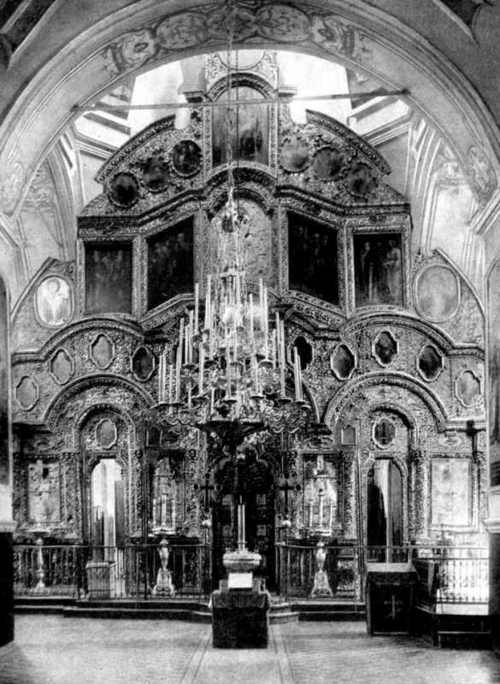
The fate of the sacred objects associated with the cathedral is particularly fascinating. For example, the cathedral's historic iconostasis was destroyed during the Soviet period, after the church was closed in 1929 and converted into the city library. The Pishchanske Icon of the Mother of God, meanwhile, was associated with Izium's Holy Ascension Cathedral and disappeared after the First World War.
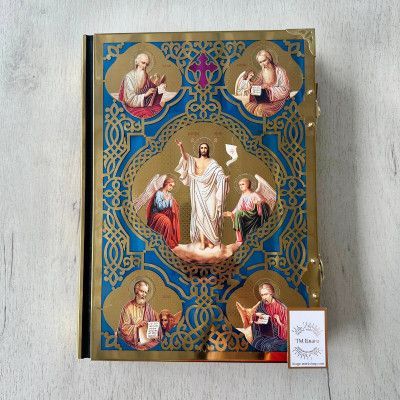
During Russia's full-scale invasion, efforts were also made to rescue religious and historical relics from the local history museum in Izium. Among them was a rare early printed Gospel dating from 1707, which had once been donated to the Transfiguration Church.
An outbreak of another epidemic in Slobozhanshchyna in 1831, and the fortunate escape of Izium's residents from its devastating consequences, prompted heartfelt prayers of thanksgiving to God and generous donations to the city's principal sanctuary.
Among the benefactors were Lieutenant Danylo Yefremovych Zozulia, who raised more than 7,000 silver roubles for this purpose; Izium merchant Yakiv Ivanovych Dekhterev, who personally donated more than 700 silver roubles; and landowner Fedir Mykolaiovych Durnov, who contributed up to 628 silver roubles to the church treasury.
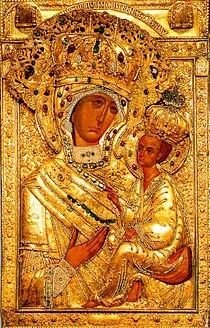
These donations made it possible to construct a bell tower with a heated church dedicated to the Tikhvin Icon of the Mother of God. However, contemporaries noted that the building's architectural style contrasted considerably with that of the cathedral itself.
Interestingly, even members of the imperial family once stayed at this cathedral.
The first emperor visited the cathedral in May 1709, during the intensification of the military campaign, while travelling from Azov to the headquarters near Poltava. He presented the Orthodox sanctuary with a Gospel for the altar, bound in silver, and a priest's vestment made of pure gold brocade.
Another emperor also stopped at the Holy Transfiguration Cathedral during his final journey. Three months later, on 5 January 1826, prayers were offered in the cathedral for the repose of his soul.
Like all of Izium's historic landmarks, the cathedral has endured countless trials.
The Second World War deprived the cathedral of its voice, destroying its vestibule and its eastern and western cupolas. Yet, in a remarkable turn of events, this destruction ultimately created an opportunity to restore the unique architectural monument to its original appearance. During the restoration works of 1953–1955, later architectural additions were removed, the western arm was reconstructed, and the corner domes and wall decorations were restored to their original form.
The Bolshevik Revolution brought another devastating chapter in the history of the sanctuary, as everything associated with spiritual life was subjected to persecution. First, religious services were prohibited, and all items of any significant religious value were removed in the early 1930s. Then, in 1938, the chapel dedicated to the Tikhvin Icon of the Mother of God was completely destroyed. During the Red Army's retreat from the city in the autumn of 1941, its bell tower was blown up.
And now the cathedral faces the challenges of Russia's full-scale invasion, occupation and destruction.
Yet, despite all these horrors, the church continues to stand, and the spiritual life of Izium continues to flourish.

Comments
Some more relevant news for now