


























Settlement agreement for customs violations — how it works
All news | | 1,377 | Author: Elina Oshurko
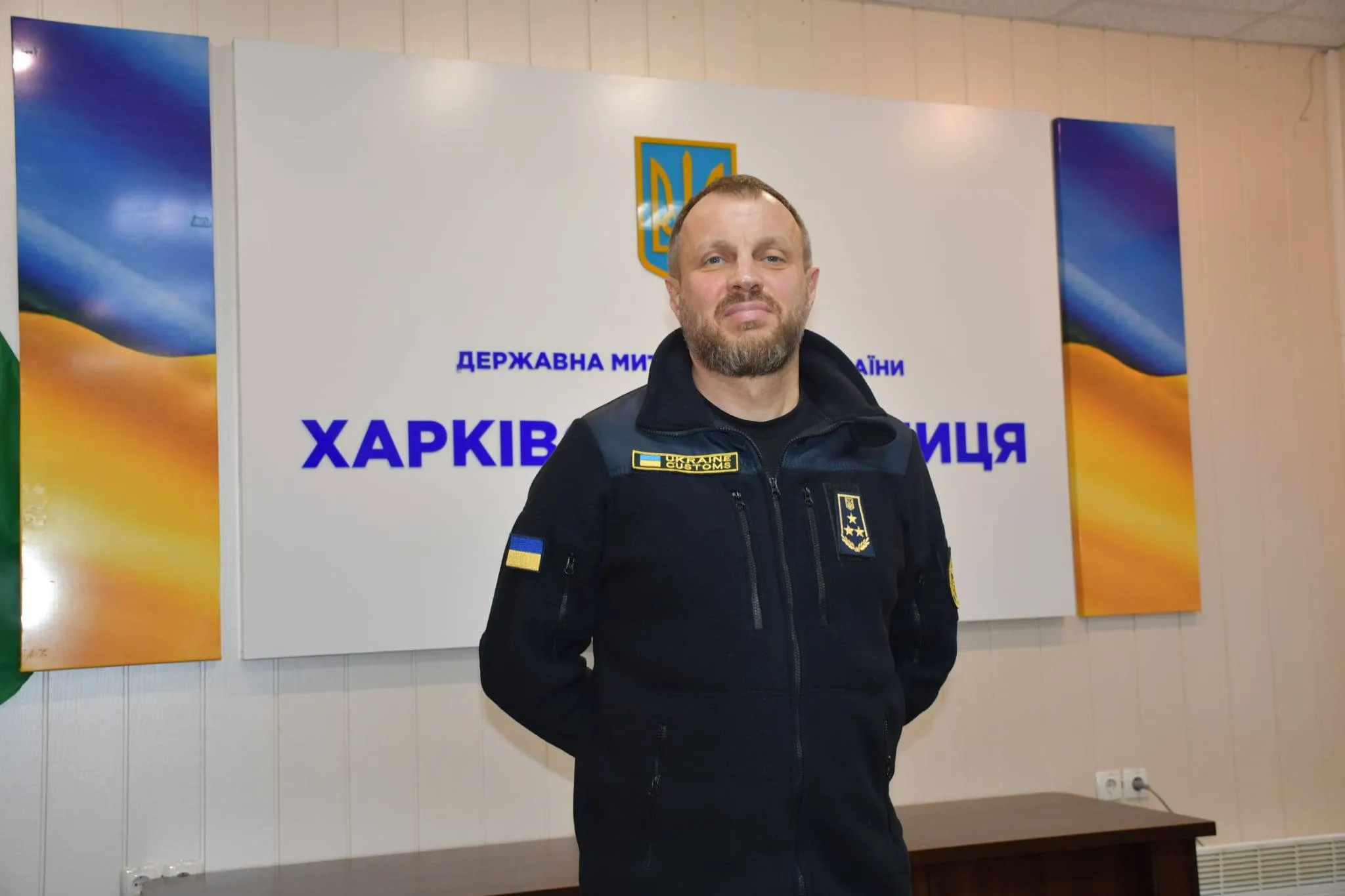
Main article image on the Gromada Group site
An interview about how a settlement agreement for customs violations works
Today we will discuss whether a compromise is possible in the case of customs violations.
To talk about this topic, Sergey Grytsenko, the deputy head of the Department for Combating Smuggling and Customs Violations at the Kharkiv Customs, has agreed to join us.
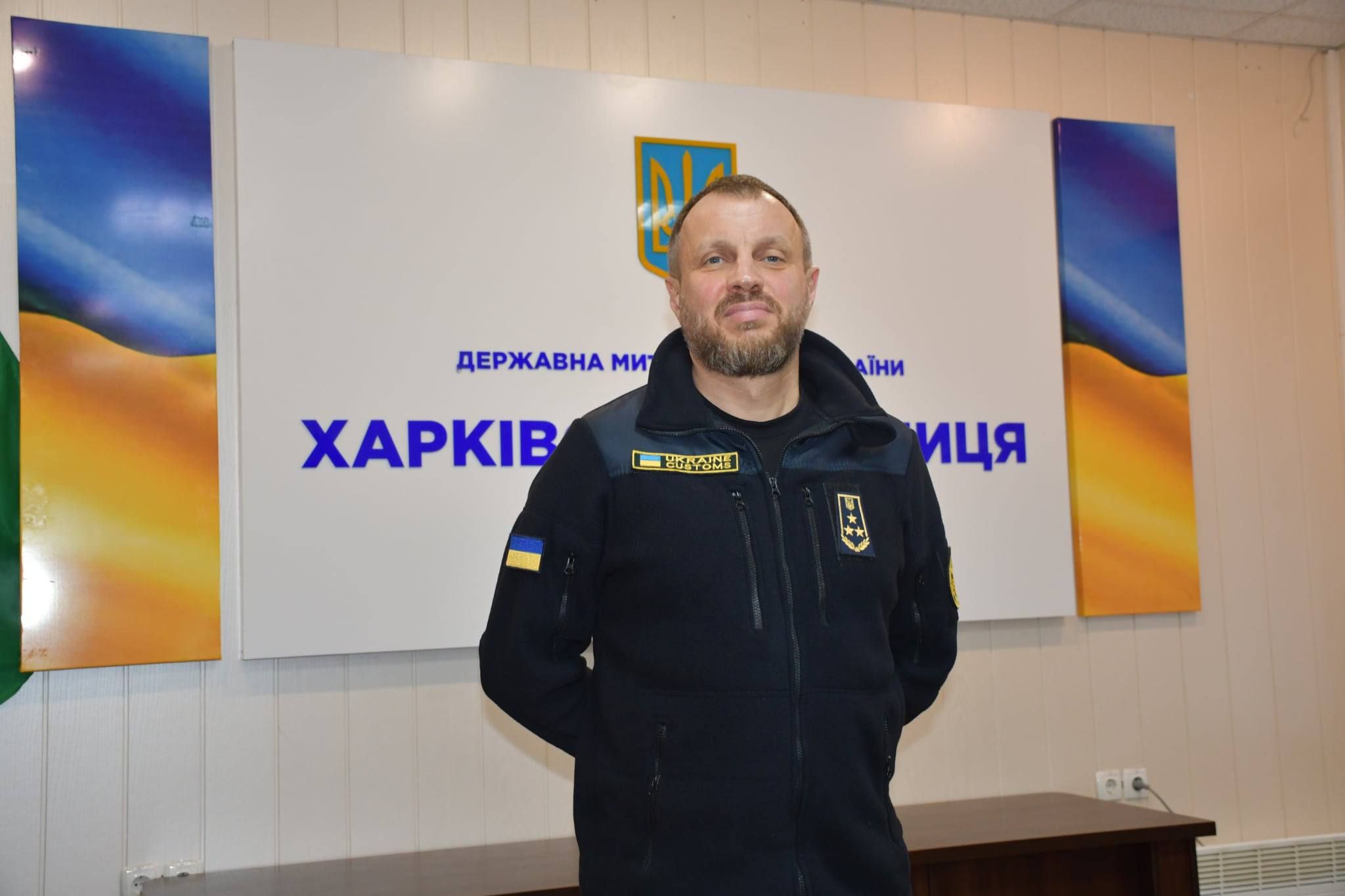
Elina Oshurko: Good afternoon! Thank you for taking the time for this interview.
Serhiy Hrytsenko: Good afternoon, I’m happy to answer your questions.
Elina Oshurko: What is a compromise in cases of customs violations, and how can it help resolve conflicts between the violator and customs authorities?
Serhiy Hrytsenko: A compromise is an agreement reached between the violator and customs authorities, where the parties agree on certain terms for settling the case without full court proceedings. This often involves the violator accepting responsibility and fulfilling specific obligations (such as paying duties/fines, returning goods, providing information, etc.) in exchange for the cessation or simplification of the proceedings.
Elina Oshurko: What are the 2025 statistics on settlements concluded at Kharkiv Customs, and how do they compare with 2024?
Serhiy Hrytsenko: The statistics of settlements concluded at Kharkiv Customs for 2025 are still limited, but as of the end of October – the beginning of November, the customs reported 22 settlements concluded for the 11 months of 2025, for which 373 thousand hryvnias were paid, indicating a significant increase compared with 2024, when there were 14 settlements.
Elina Oshurko: Thank you.
My next question is as follows.
What types of customs violations are most commonly encountered in foreign economic activity?
Serhiy Hrytsenko: I’m happy to answer this question. There are many types of violations in customs matters, but the most common include:
- Incorrect or incomplete declaration
- Undervaluation or overvaluation of goods;
- Incorrect quantity, weight, or volume;
- Incorrect classification of goods according to customs codes (HS);
- Submission of false or incomplete documents (invoice, bill of lading, certificates).
- Incorrect origin of goods and use of preferences
- Declaration of false origin to obtain reduced duty rates or benefits;
- Use of schemes with variable origin of goods to bypass tariffs.
- Smuggling and concealment
- Concealment of part of the goods or false declaration of it (for example, hiding illegal goods or parts thereof);
- Use of false documents or substitution of actual shipments.
- Undervaluation or unlawful application of tariff preferences
- Incorrect valuation for customs calculation of duties and VAT;
- Use of false calculations of value/currency.
Serhiy Hrytsenko: Alright, I will answer this question. The procedure for concluding a settlement agreement consists of four stages:
The first is the acknowledgment of guilt. This is when the person who has violated customs rules admits it and proposes to enter into a settlement agreement. The second stage involves negotiations, meaning discussions are held regarding the amount of the fine, compensation for damages, and so on.
The third, penultimate stage is called the approval of the agreement. This is when the customs authority approves the agreement, which then becomes binding for both parties.
And the fourth, final stage is the conclusion of the case, or as it is also called, the closure of the case. If all the terms of the agreement are fulfilled, the case can be closed.
Elina Oshurko: What are the advantages of using a compromise compared to the traditional court process for resolving customs disputes?
Serhiy Hrytsenko: The main advantages are: confidentiality, low costs, speed, and flexibility.
Confidentiality is necessary to ensure that the details do not become public, speed is crucial to minimize the time taken for consideration and resolution, low costs — a compromise involves administrative fees and fewer legal expenses, making it potentially less costly than a court process, and flexibility allows both parties to choose a resolution to the dispute that suits them both.
Elina Oshurko: And finally, what regulatory measures and customs payment procedures should the parties follow when entering into a settlement agreement?
Serhiy Hrytsenko: First of all, this involves familiarization with legal norms, namely international agreements related to trade regulation. Secondly, it is necessary to properly classify the goods you intend to transport according to the Universal Commodity Classification. You should also not forget about assessing the customs value and calculating customs duties, determining what the customs value of the goods is, considering customs fees, excises, and other payments that need to be made. This leads us to the next stage — the payment of customs duties. Additionally, entering into a contract is confidential; no one should know the details of the contract except for the two parties involved.
You cannot overlook three essential components: responsibility from both sides, additional documents, and legal consultation. Why is this so important? Because if people do not responsibly pay customs duties, they will incur fines, and the agreement will not materialize. If there are no additional documents needed to enter into the agreement, such as certificates, invoices, or contracts, the process could fail. Legal consultation is also crucial because when an agreement is made, a trustworthy individual needs to verify everything and handle the official documents.
Elina Oshurko: Thank you for the insightful conversation. I wish you success in your endeavors.
Serhiy Hrytsenko: Thank you for your interest in this topic. Have a great day, everyone. Let’s work towards victory!

Comments
Some more relevant news for now