









Natural Beauties of the City of Izium: What Is Happening to Them Now?
All news | | 351 | Author: Elina Oshurko
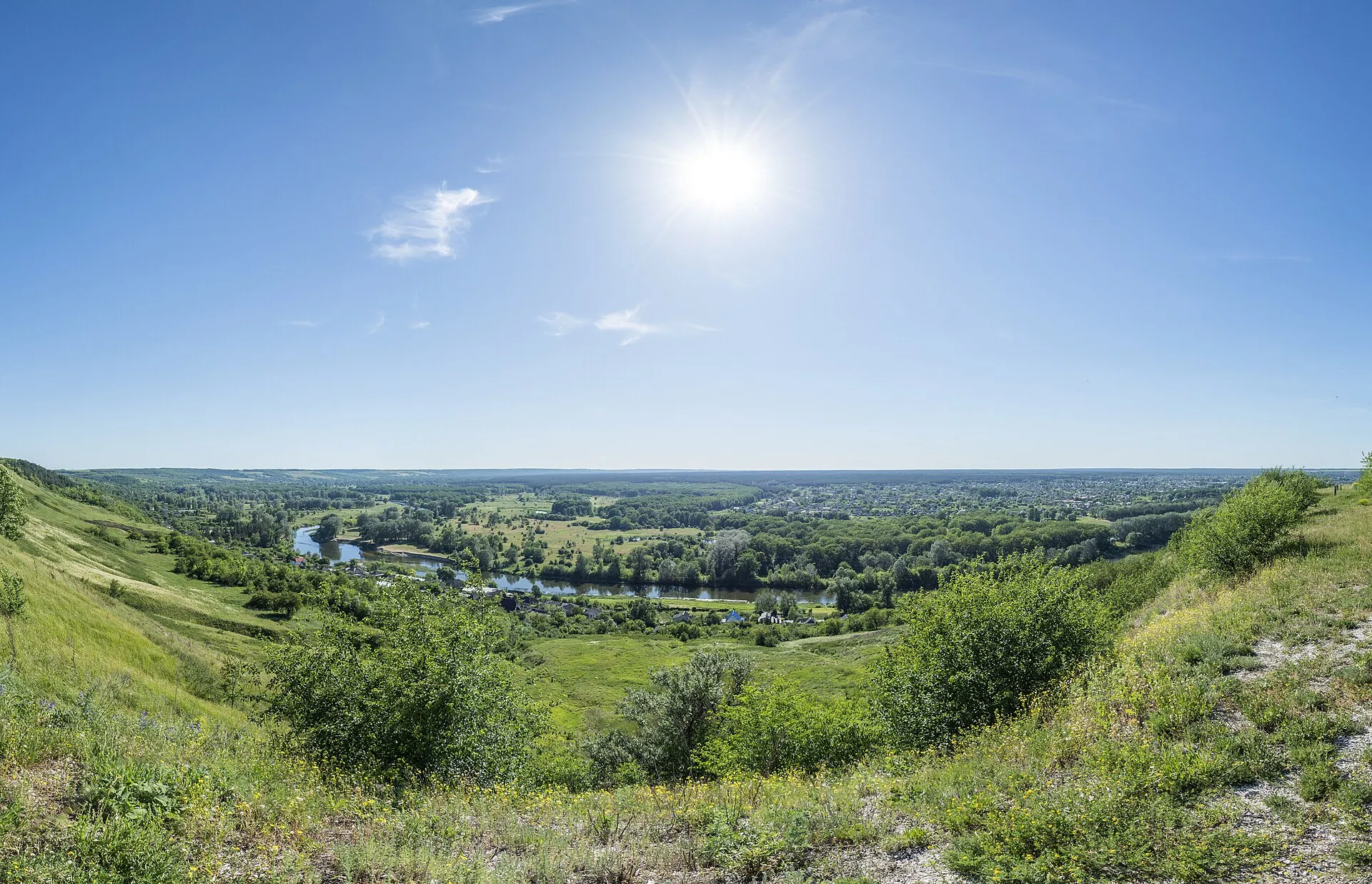
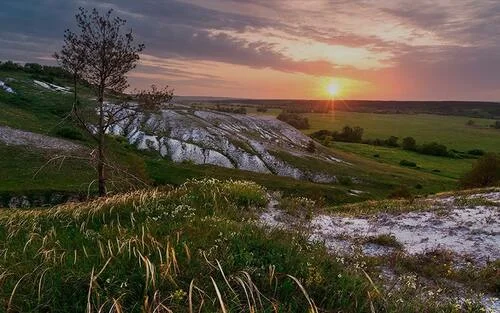
Main article image on the Gromada Group site
What is currently happening to the natural beauties in the city of Izium?
Every city has its beautiful places that, unfortunately, have been destroyed by war, and Izium is no exception.
One of the most famous cultural landmarks is Mount Kremyanets, the highest point in Izium.
For centuries, Mount Kremyanets, which is a natural monument and one of the highest points in the Kharkiv region (218 meters above sea level), has played a significant role in the life of Izium.
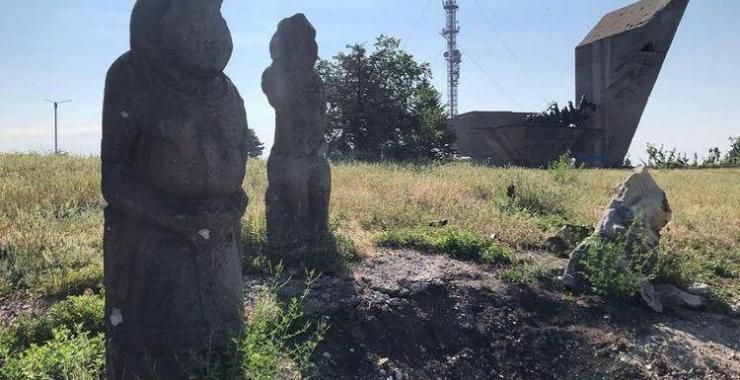
Items found by archaeologists indicate that the industrial use of flints from the mountain began as early as the Mesolithic era. The mountain is a source of natural building materials (lime), fertilizers (phosphorites), and a treasury of fossilized traces of ancient fauna.
In the middle of the second millennium AD, representatives of the Turkic peoples inhabiting the area named the mountain "Uzun-Kurgan," meaning "Long Mountain." This name determined the name of the city, Izium. Later, on the mountain, which became known as Kremyanets, a powerful fortified point was established—the Izium Fortress, built by Colonel H. Dometz-Zakharchenko. The fortress was the center of the Izium Cossack regiment and influenced the historical fate of the city of Izium.
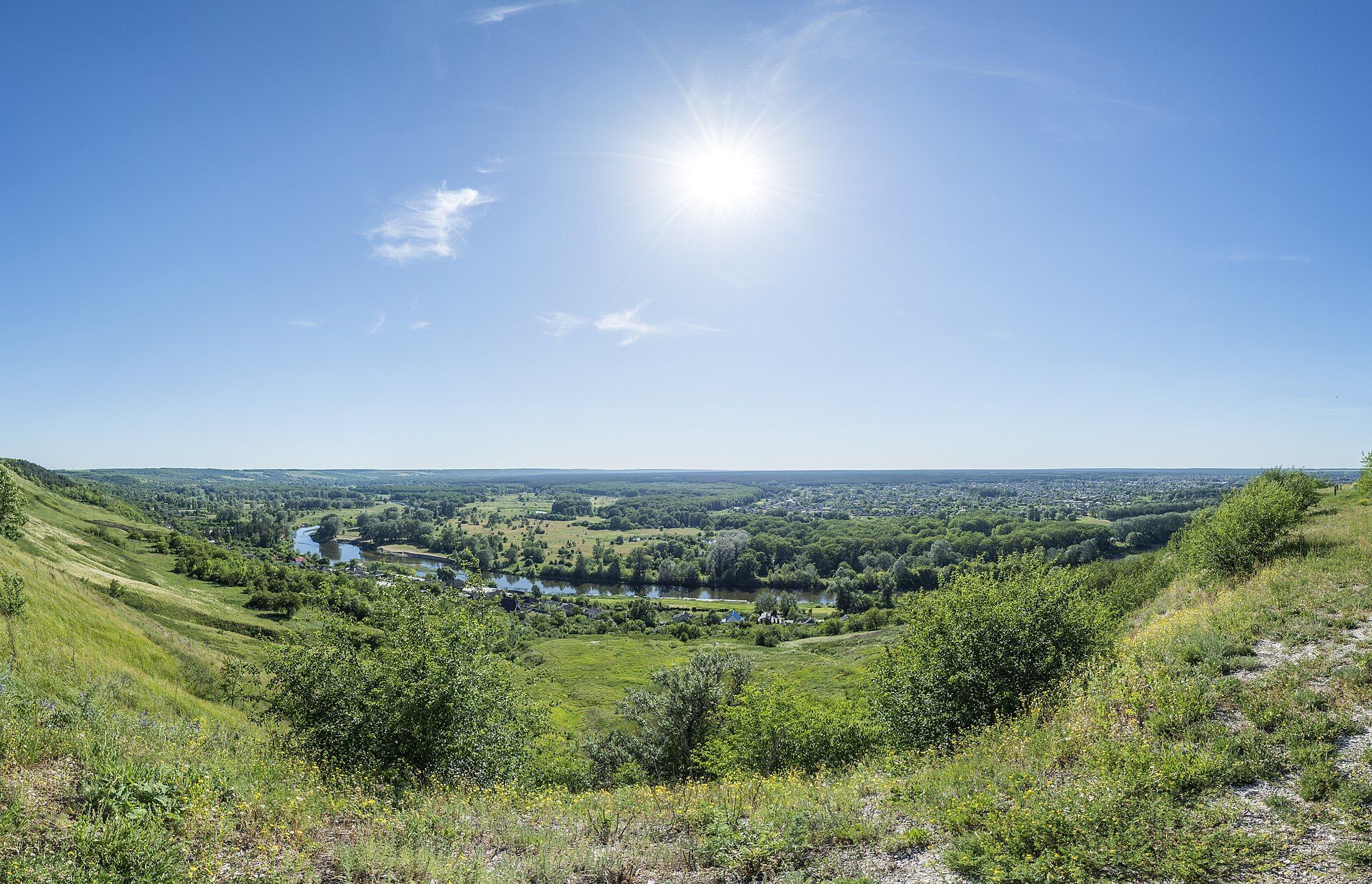
Mount Kremyanets is one of the most popular tourist attractions in the city and the Kharkiv region, combining wonderful panoramic views and historical landmarks. It is also famous for the tradition of an annual torchlight procession that began in the 1950s.
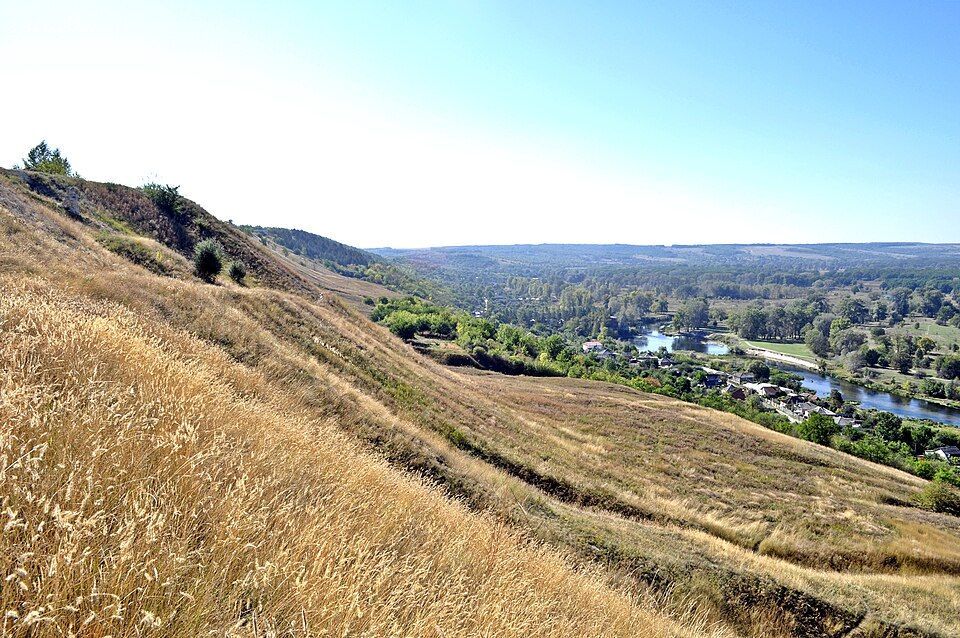
During the war, Mount Kremyanets was shelled many times, and even now, it is mined, making it dangerous to walk there.
The waterway of the city is the Siverskyi Donets River. Its winding banks, framed by forests and greenery, create beautiful landscapes for relaxation.
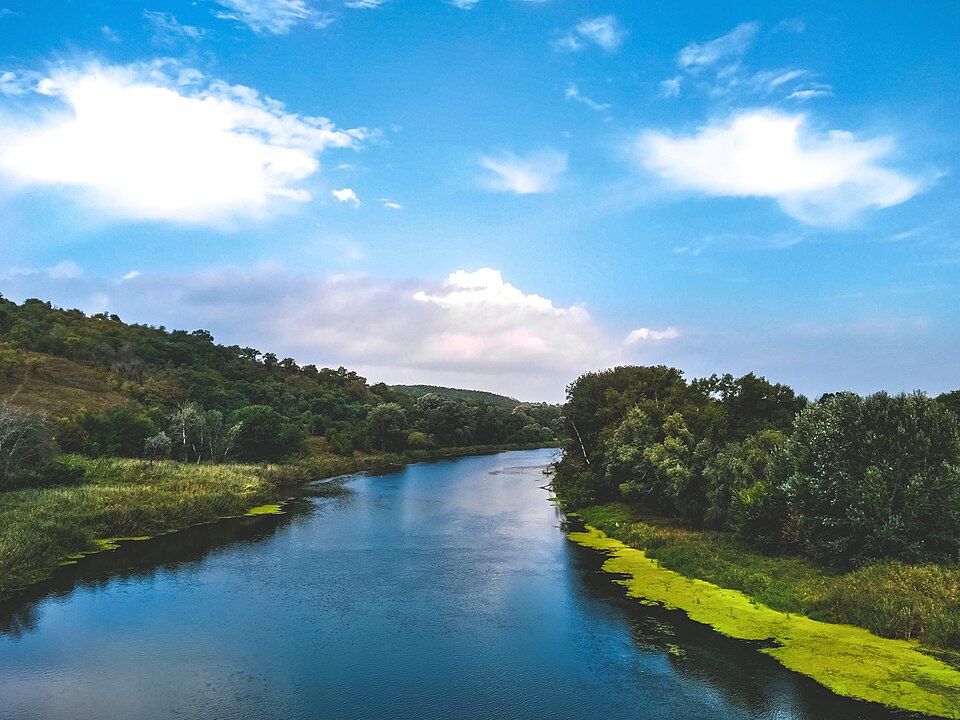
During the full-scale Russian-Ukrainian war, the Siverskyi Donets River became an important natural obstacle on the front line and an area of large-scale ecological and humanitarian destruction.
Compared to peacetime, the sediments now are characterized by high toxicity, increased concentrations of heavy metals, and more.
Polluted sedimentary waters flowing into the Siverskyi Donets directly affect the river's bottom sediments, the aquatic environment, and the biota.
Before the war, it was a beautiful place, but now there are scary legends about it, suggesting that there are many mines and that swimming is now forbidden.
Another notable site is the Healing Spring of the Mother of God, "Krynichenka." There is an interesting legend about this place.
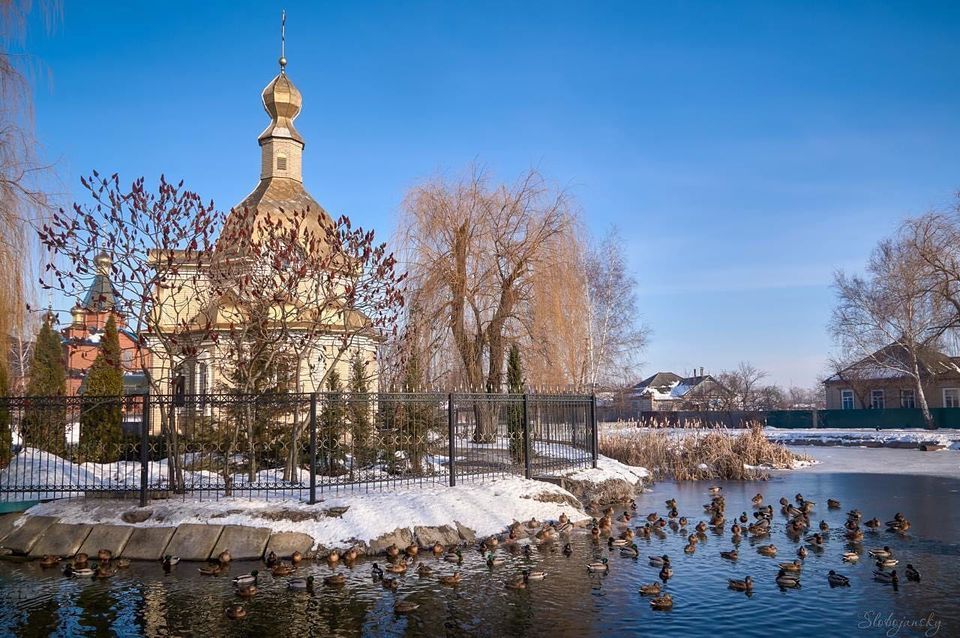
Once, in the Izium regiment, there was a Cossack nicknamed Kyrychenko. His daughter was born blind, which brought a lot of grief and difficulties to the whole family. The God-fearing and sincere Cossack prayed to God and the Holy Mother and received a revelation to dig a well in his yard. As soon as he began to do this, a miraculous spring burst forth from the ground, and its water granted sight to the afflicted. According to another version, the healing happened right in the house when splashes broke through the floor and sprinkled the suffering girl. Time has erased the location of the Cossack's homestead, and his house has not survived, but the healing water continues to provide comfort to all in need.
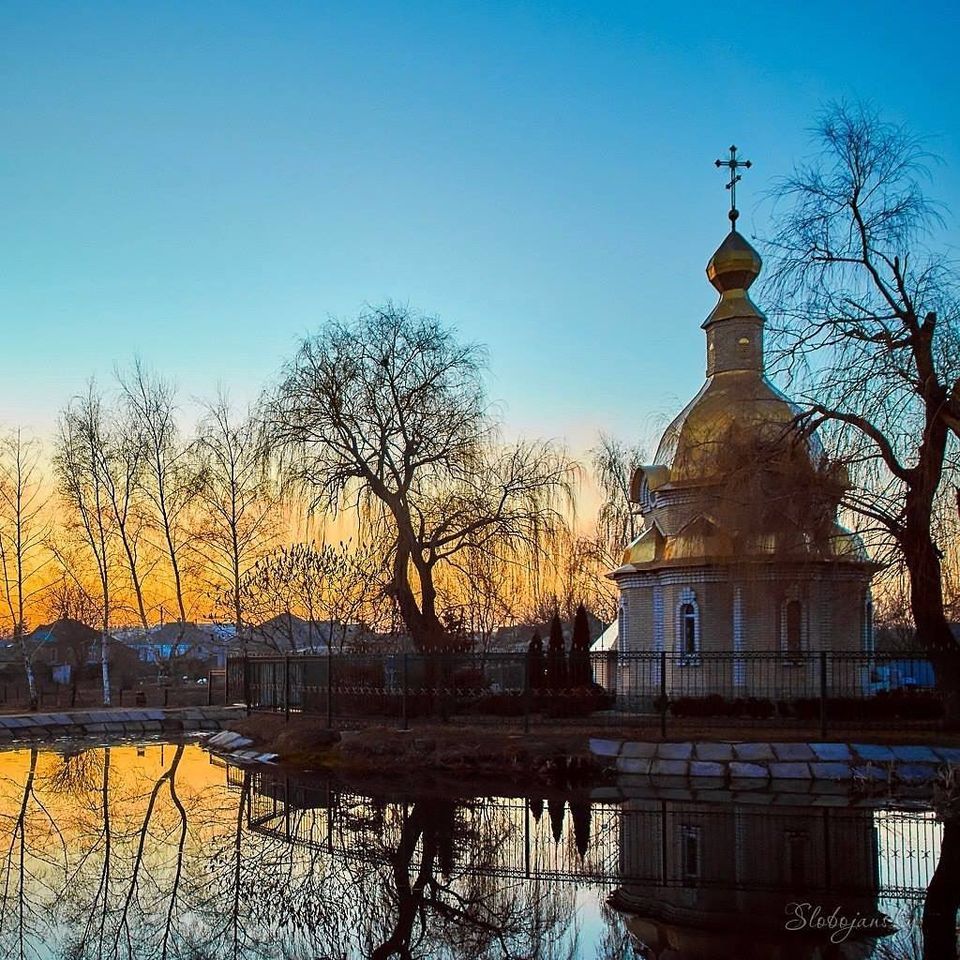
The spring and the Pyschansky Temple nearby are operational and open to visitors. Despite the serious destruction and occupation that Izium suffered in 2022, the complex around the spring has survived.
A chapel-bathing facility has been arranged where one can immerse themselves in the holy water. The water continues to flow, and local residents and pilgrims freely collect drinking water here. Admission is free, the area is well-maintained, and ducks swim nearby.
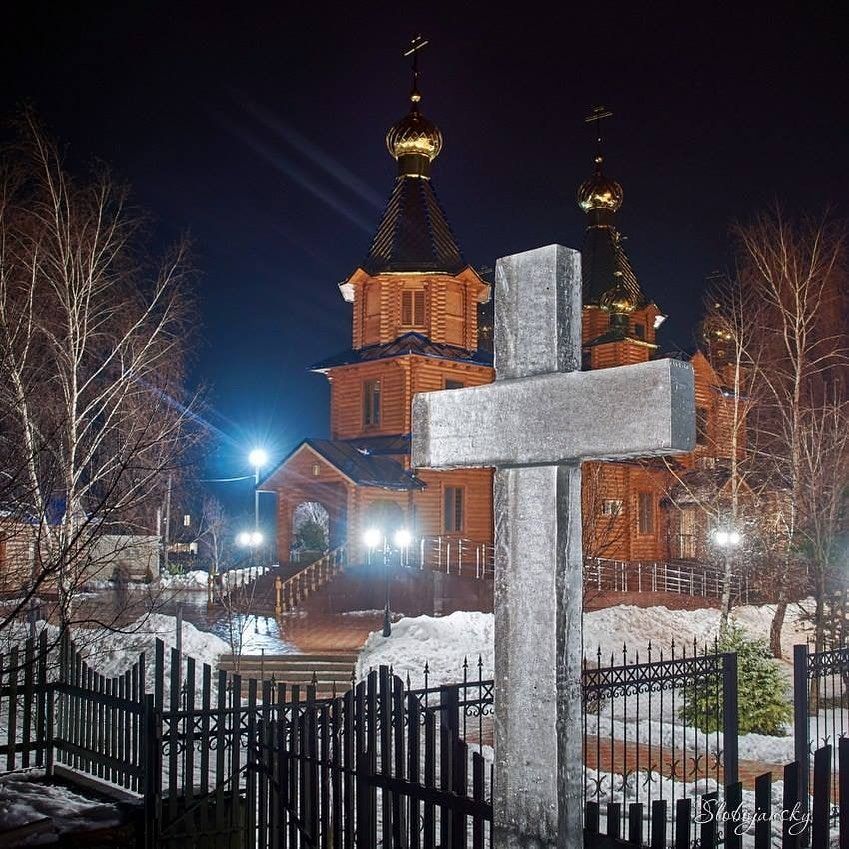
And these are not all the beautiful places in Izium that have been destroyed during the war. However, despite the state of war, nature in Izium continues to delight with its beauty.

Comments
Some more relevant news for now