





"Kill me, but do not kill the Motherland!": Rejtan as a Mirror of Eternal Betrayals and Modern Ultimatums
Blogs | | 294 | Author: Olena Zelenina
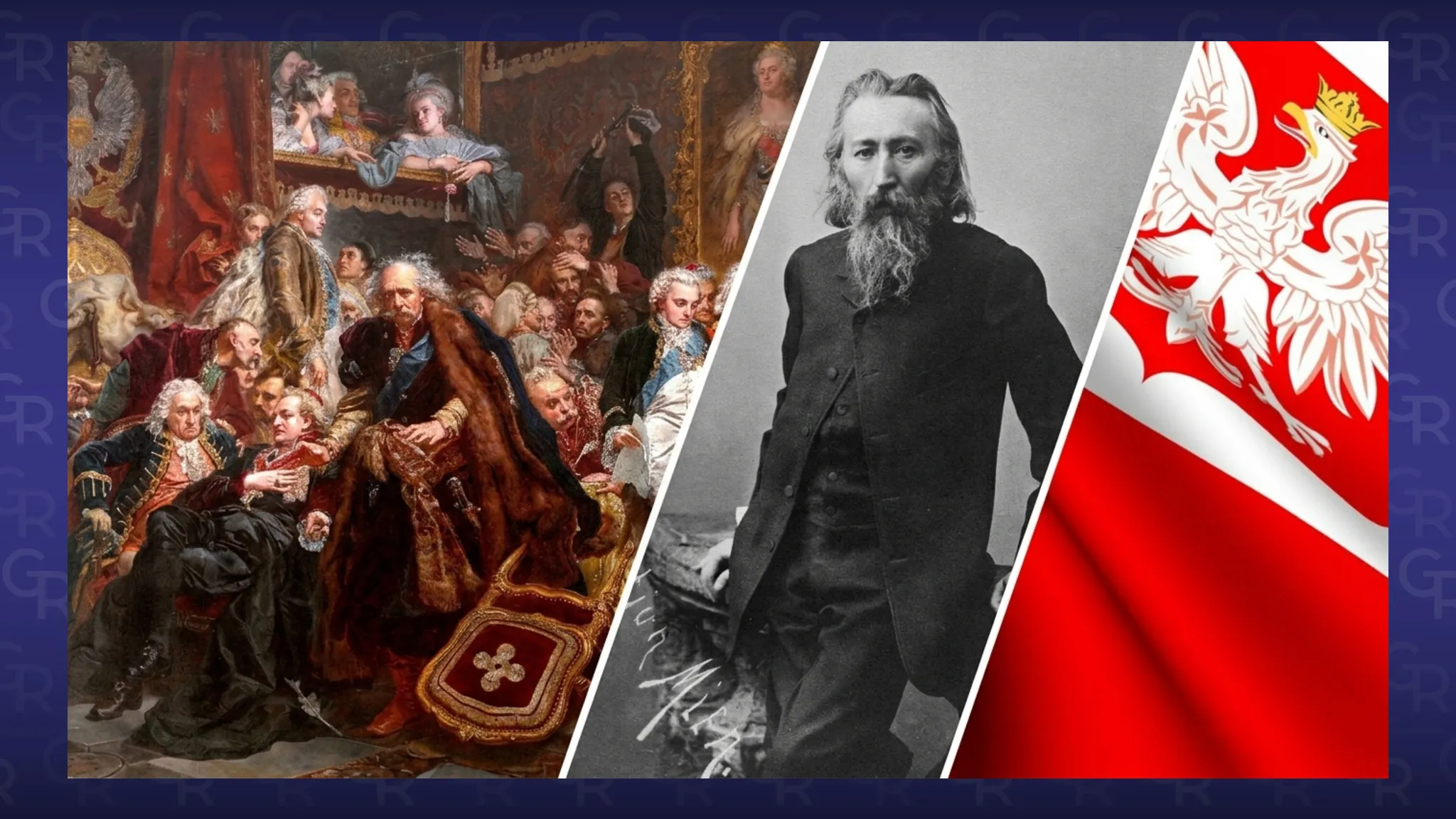
Collage by Olena Zelenina.
Let us transport ourselves back to 1866: the great Polish painter Jan Matejko is creating his most pivotal, scandalous, and fiercely impassioned masterpiece concerning the venality and treason of the elites — Rejtan: The Fall of Poland (Rejtan. Upadek Polski). When you look at this canvas, the air around you seems to grow thick with despair…
Matejko did not merely capture a historical moment — he engineered a true public explosion, striking directly at the raw nerve of a national catastrophe.
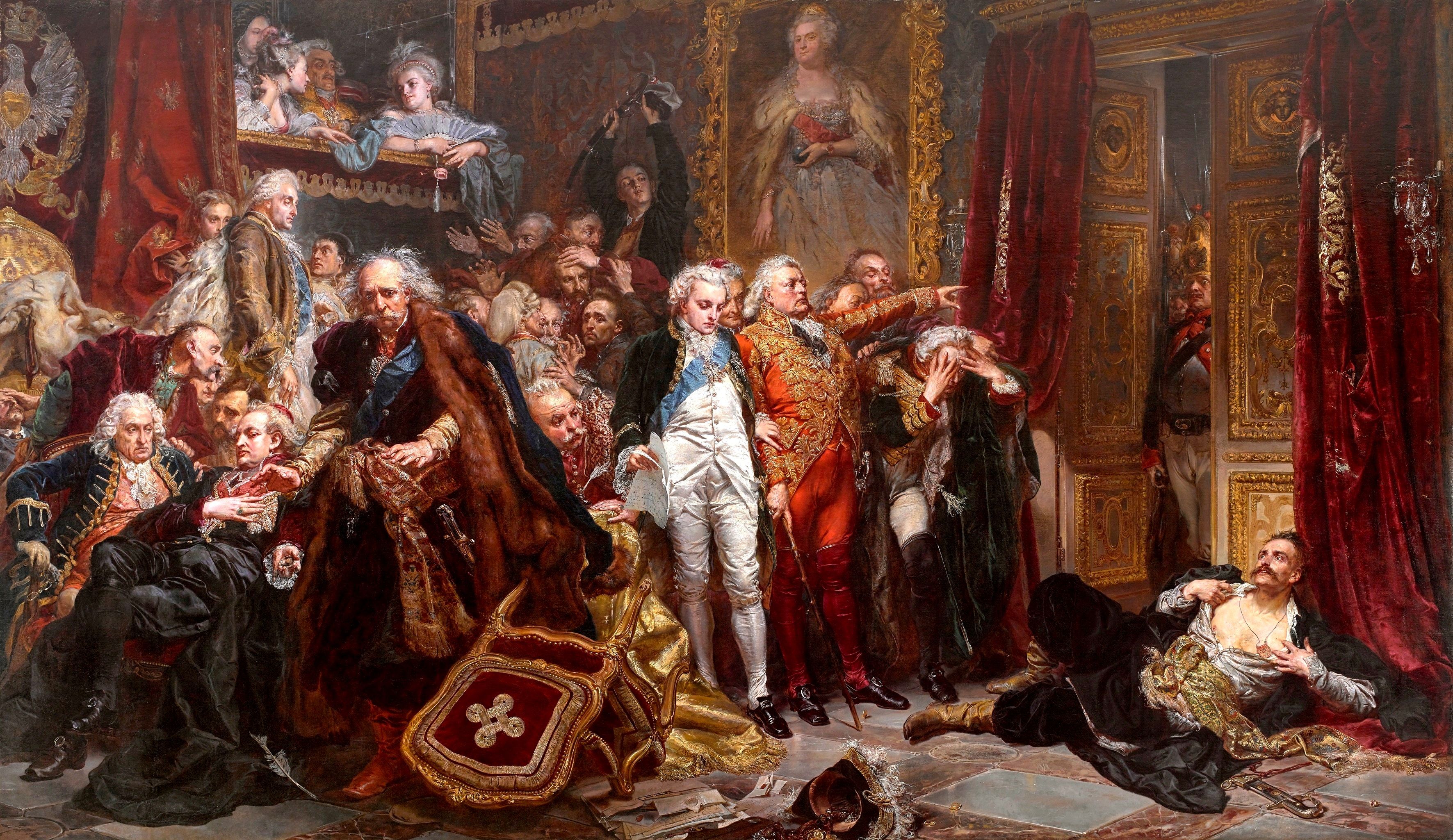
Yet the story of Matejko’s canvas teaches an absolute and brutal truth: any compromise with an invader purchased at the price of concessions of one's own land is not peace, but a death warrant.
History proves this countless times — just as it proves that the aggressor’s defeat is inevitable, provided one holds firm against the pressure of a silent majority and the treason of elites.
Tadeusz Rejtan could not stop the avalanche of betrayal back then and ultimately met a tragic end, but his image became an eternal symbol of an unbroken conscience. Meanwhile, those who stepped over his body for the sake of imperial favors remain forever branded in history as despised traitors.
The choice left to us by the great canvas of the past is simple and yet unbearably heavy: either you stand to the death on the threshold of your own Motherland, or you become a character in a disgraceful painting that descendants will one day look upon with disgust.
More illustrations in the Ukrainian original.
Read more in the Ukrainian edition....
The "Gromada Group" local media network works thanks to your trust.
Support independent regional journalism with a donation.


Comments
Some more relevant news for now