












He "went out into the world and remained"... Three faces of freedom
Blogs | | 292 | Author: Olena Zelenina
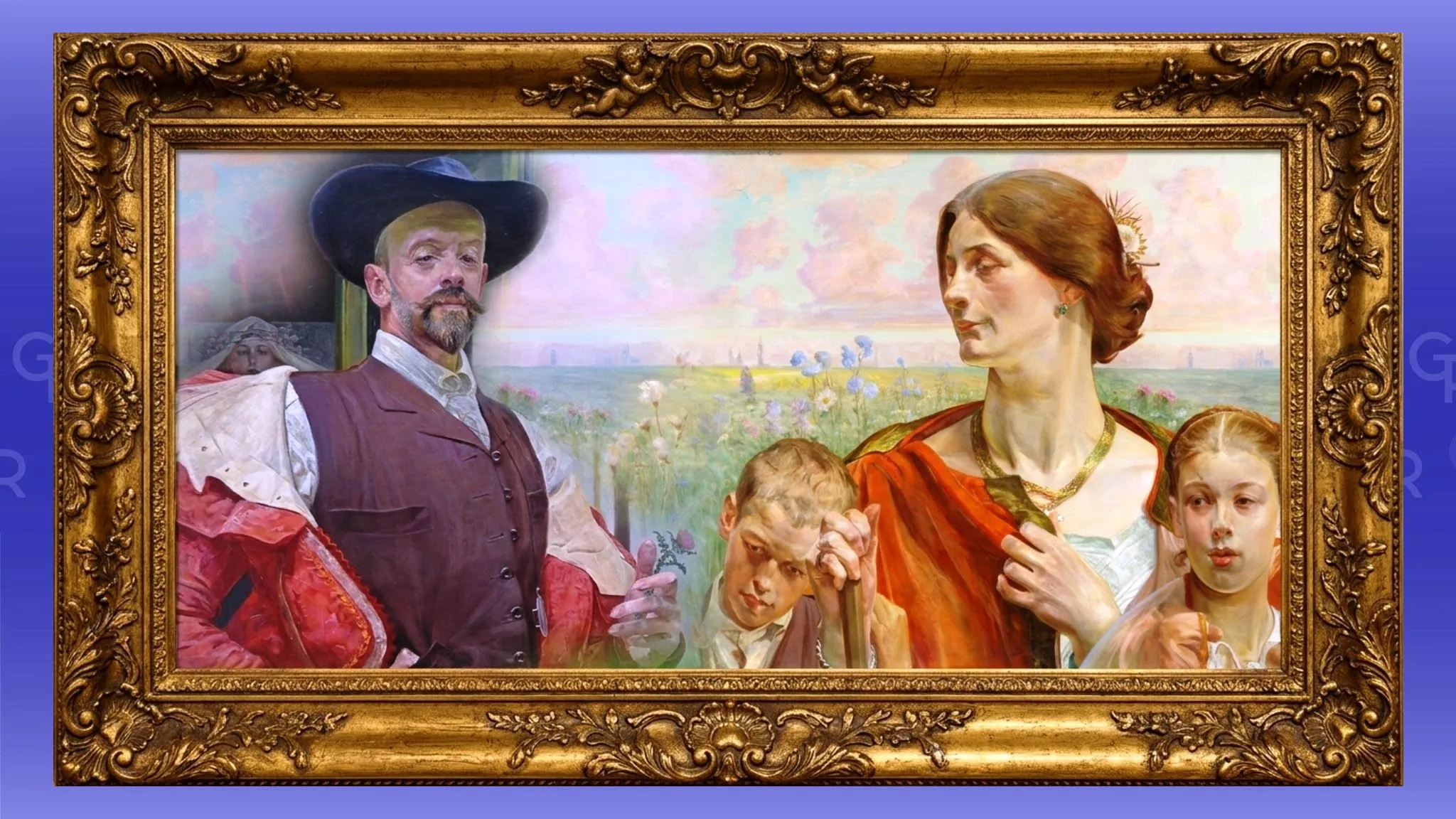
Collage by Olena Zelenina.
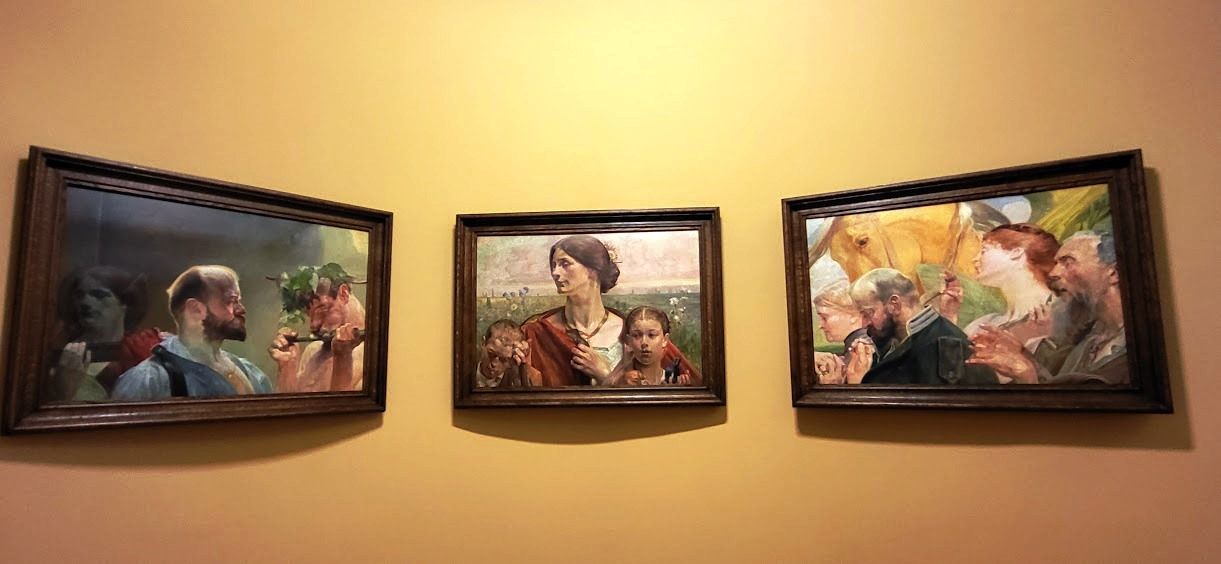
At first, it seems that something bright, almost pastoral, and romantic is unfolding before us. The soft melody of a violin is about to sound, the light silhouette of a muse inspiring creativity will flash in the shade of the trees, and on the horizon, familiar outlines of ancient cities, filled with coziness and peace, will float by.
All three paintings by Jacek Malczewski in the National Gallery of Wrocław breathe with the colors of vital energy, children's laughter, and noble grandeur.
However, this idyll lasts only until you learn the title: "Law". Why did the artist give a three-part painting (triptych) such a straightforward and unromantic title? What does he want to tell us?
"Gromada" REFERENCE
Jacek Malczewski (1854, Radom — 1929, Kraków) was a prominent representative of the "Young Poland" art movement and a pioneer of symbolism in Polish painting. He studied at the Kraków School of Fine Arts under the famous Polish painter Jan Matejko and also perfected his skills in Paris.
Jacek Malczewski, Self-Portrait with a Thistle Flower | 1911, private collection, currently kept in the Jacek Malczewski Museum in Radom.
But let us pay attention to the date. The great Polish symbolist created his monumental triptych "Law" ("Law – Motherland – Art") in 1905–1906, at the height of the bloody revolutionary turmoil in the Vistula Land (Kingdom of Poland), when hopes for freedom were shattered once again by the imperial boot.
Read more in the Ukrainian edition....
The "Gromada Group" local media network works thanks to your trust.

Comments
Some more relevant news for now