





Cultural Heritage of Izium During the War: Is Preservation Possible?
Life | | 737 | Author: Elina Oshurko
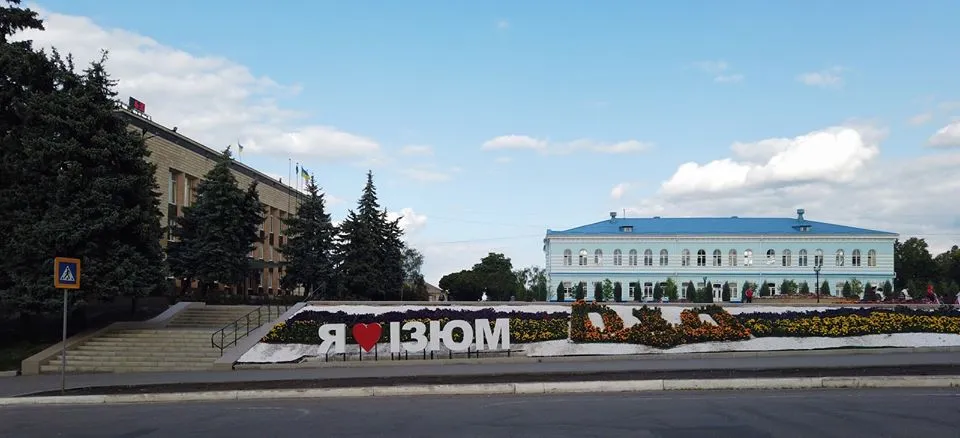
Main article image on the Gromada Group site
The Culture of Izium During the War
Every city has its own cultural heritage, and Izium is no exception. Before the war, it was a picturesque town where cultural heritage flourished.
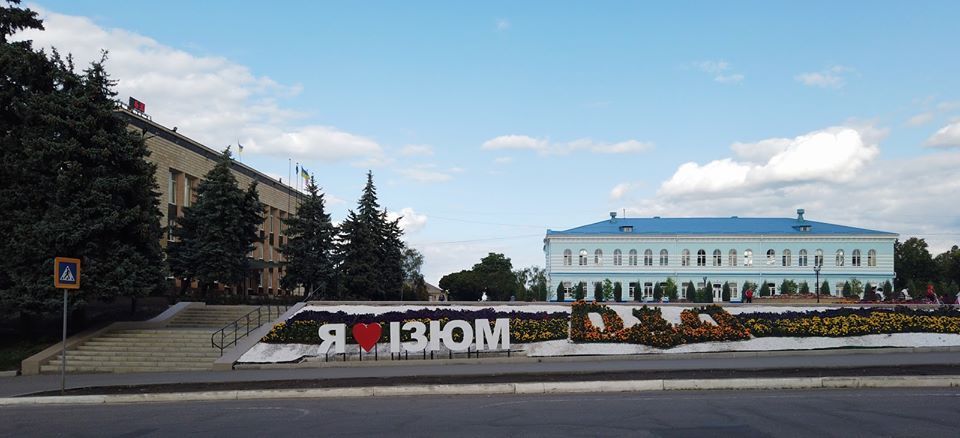
First of all, there is a beautiful local history museum that exhibited artifacts from the First and Second World Wars, as well as paintings by Serhii Vasylkivskyi, an artist from Izium. The museum itself was spacious and large, with many sculptures of wild animals, such as bears.
The museum had a rich collection with many unique and authentic exhibits. Its collections, which reflected the life, customs, and culture of the people of the Izium region in ancient times, included numerous artifacts.
The museum’s total collection consisted of about 11,000 exhibits. Scientists considered the most valuable item to be the Gospel of 1707. This book, decorated with silver and gold plating, was presented to the Transfiguration Cathedral of Izium by Tsar Peter I.
However, during the war and occupation, unfortunately, many exhibits were stolen or damaged, although the Gospel was successfully rescued and returned to the museum.
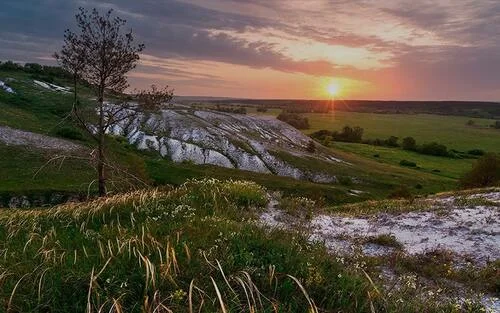
The second cultural landmark is Mount Kremianets.
There is a legend that during the Middle Ages, seven centuries ago, a Tatar defensive fortress stood on the top of this mountain. The fortress was called “Kremen.” Many historians believe that this name was later transformed and became the name of the mountain.
Another version is more practical — the mountain got its name from a nearby quarry where flint was once mined.
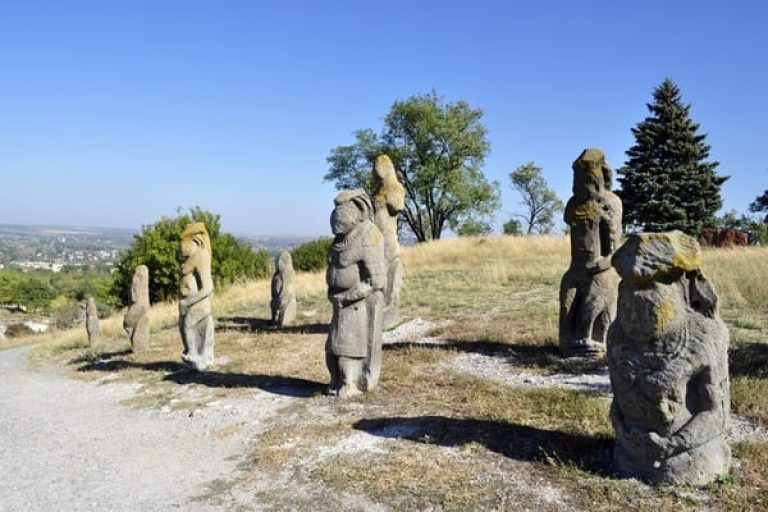
Mount Kremenets in the town of Izium has its own fascinating attractions. For example, at its summit, one can see an ancient sculptural composition of stone statues known as “stone babas.” These statues have stood on the hill since the times of the nomads, and many amazing legends are told about them.
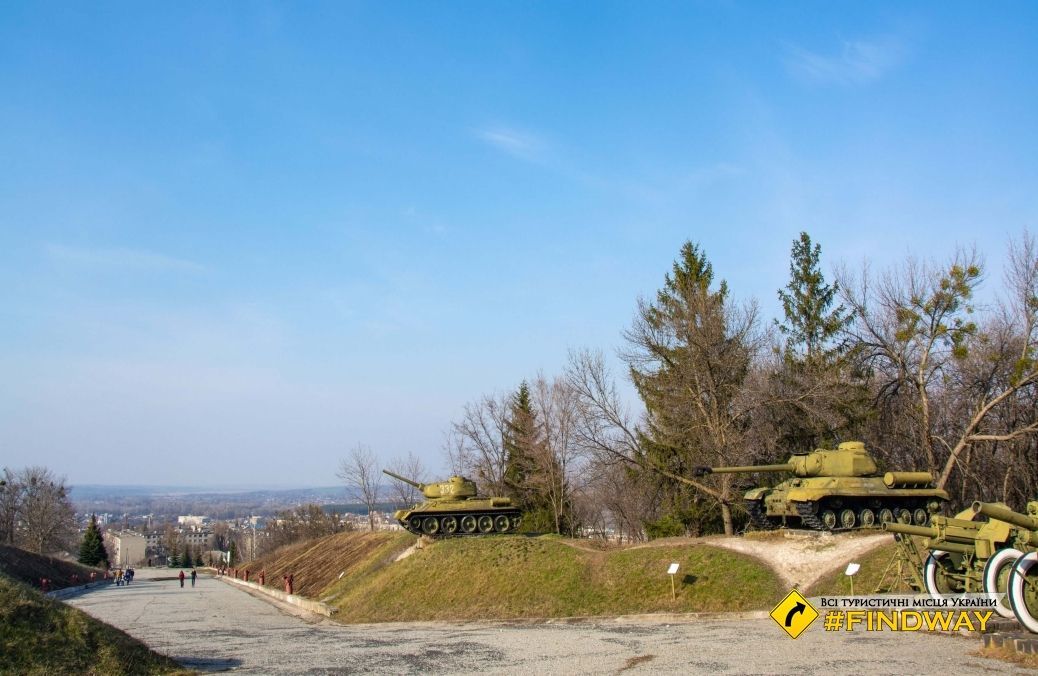
There are also several memorial sites on Mount Kremenets — plaques engraved with the names of fallen soldiers, the grave of an unknown soldier with an obelisk, and a memorial to the victims of the Holodomor. The panoramic view from the top of the hill is incredibly breathtaking.
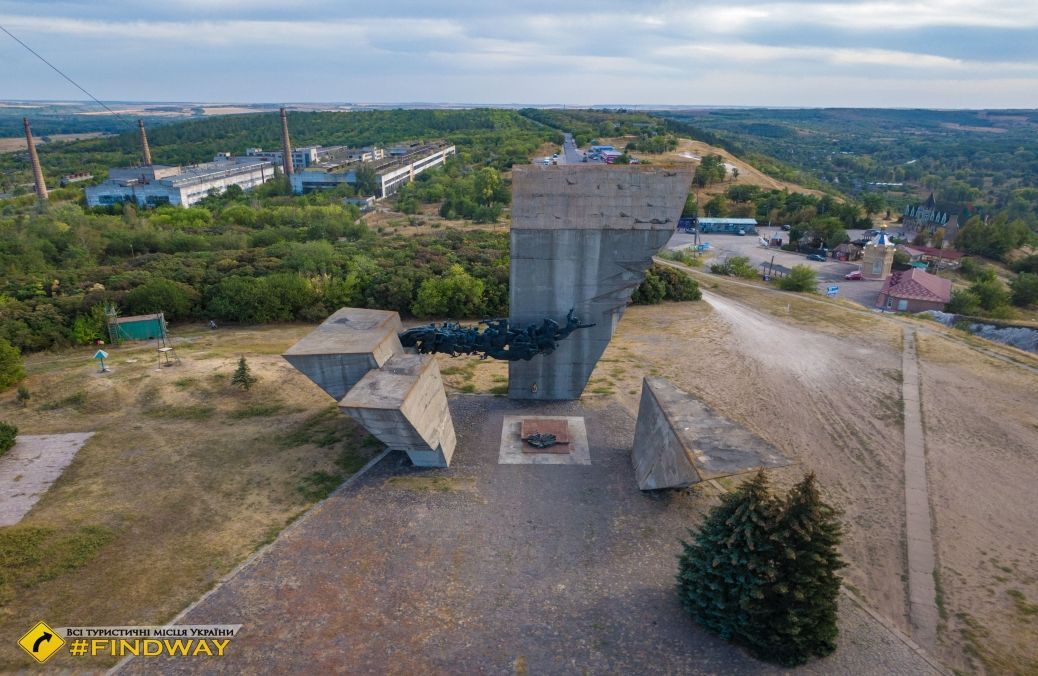
Mount Kremianets was also heavily affected by enemy shelling, causing significant destruction. There are still “petal mines” there, so walking around the area is dangerous.
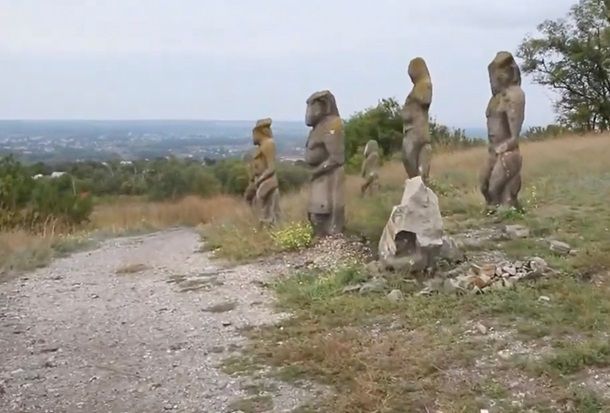
The Polovtsian stone babas located on Mount Kremianets are another cultural landmark of the city of Izium. They have a very rich history — this is a unique complex of nine ancient stone statues dating from the 9th to the 13th centuries, which once served as sacred monuments and grave markers.
In Kyivan Rus, stone statues were called “babas” or “idols.” In “The Tale of Igor’s Campaign,” the “Tmutarakan idol” is mentioned. Ancient Orkhon inscriptions created by the ancient Turks of Siberia mention “balbals.” This word means a stone with an inscription or image, or a warrior-hero.
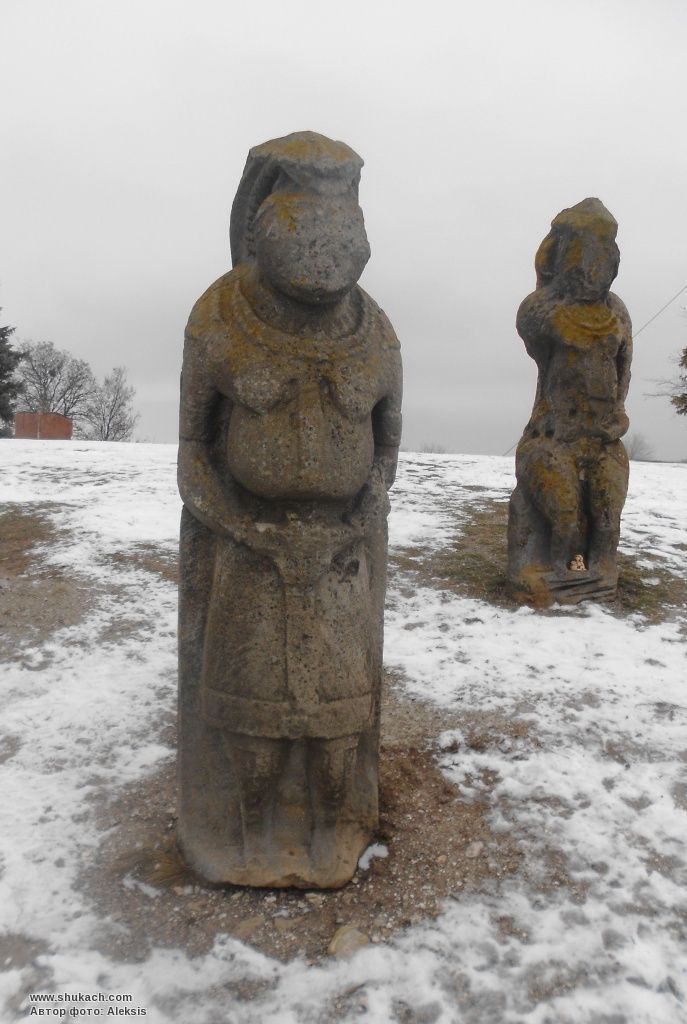
The 12th-century Azerbaijani poet Nizami also mentioned the stone babas, describing how the Polovtsians made sacrifices to stone idols. In 1253, the envoy of the Pope, William of Rubruck, who traveled through the Polovtsian steppe, observed how the Polovtsians built large burial mounds and erected statues on them, facing east and holding a bowl in their hands.
In 1594, the German ambassador Erich Lassota, who arrived among the Zaporizhian Cossacks, reported that on the “Tatar shore of the Dnipro” he saw more than twenty stone statues standing on burial mounds or graves. In the Russian geographical work “The Book of the Great Map,” published in 1627, stone figures called “demny” were mentioned. They were installed on burial mounds or directly in the степpe and served as landmarks for river crossings.
Beginning in the 18th century, interest in studying the Polovtsian stone babas increased. Academics such as P. Pallas, I. Lepekhin, V. Zuyev, and many others wrote about these statues. In 1851, O. I. Piskaryov, an official of the Russian Ministry of Internal Affairs, created the first map showing the locations of the stone statues.
Unfortunately, during the occupation, some of the stone babas were damaged by artillery shelling, and some have already been destroyed.
Another natural gem of the town and a pilgrimage site at the same time is the spring called Kyrychenkova Krynytsia. The water of this spring is believed to possess powerful healing properties.
Near the spring, a small church and a chapel with a bathing pool were built. This church houses a valuable relic — the icon of the Pishchanska Mother of God. Pilgrims also call Kyrychenkova Krynytsia the “Spring of the Mother of God.”
Interestingly, the water in this remarkable spring never freezes in winter and maintains the same temperature all year round — 6–8 degrees Celsius.
Although this landmark still functions today, it has also suffered significant destruction from enemy shelling, as the nearby church was heavily damaged by enemy attacks.
And how many churches there are in Izium!
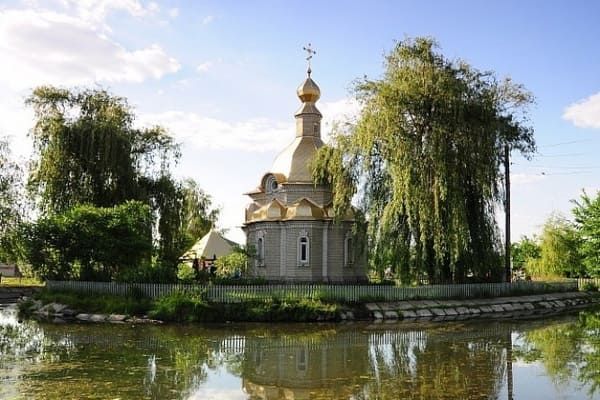
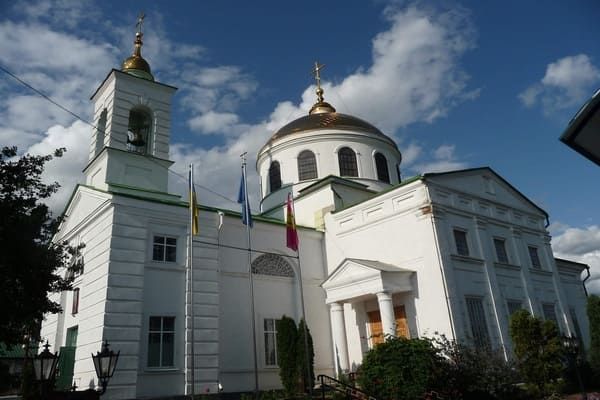
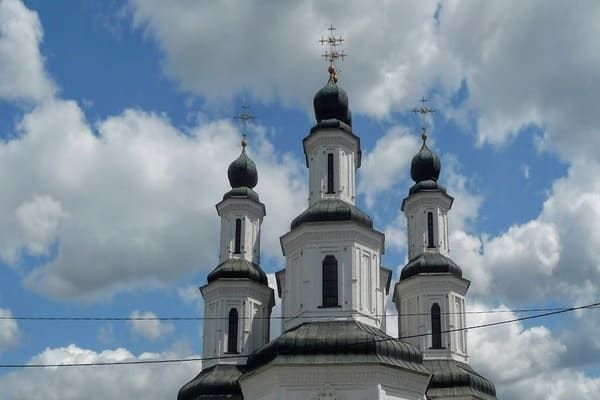
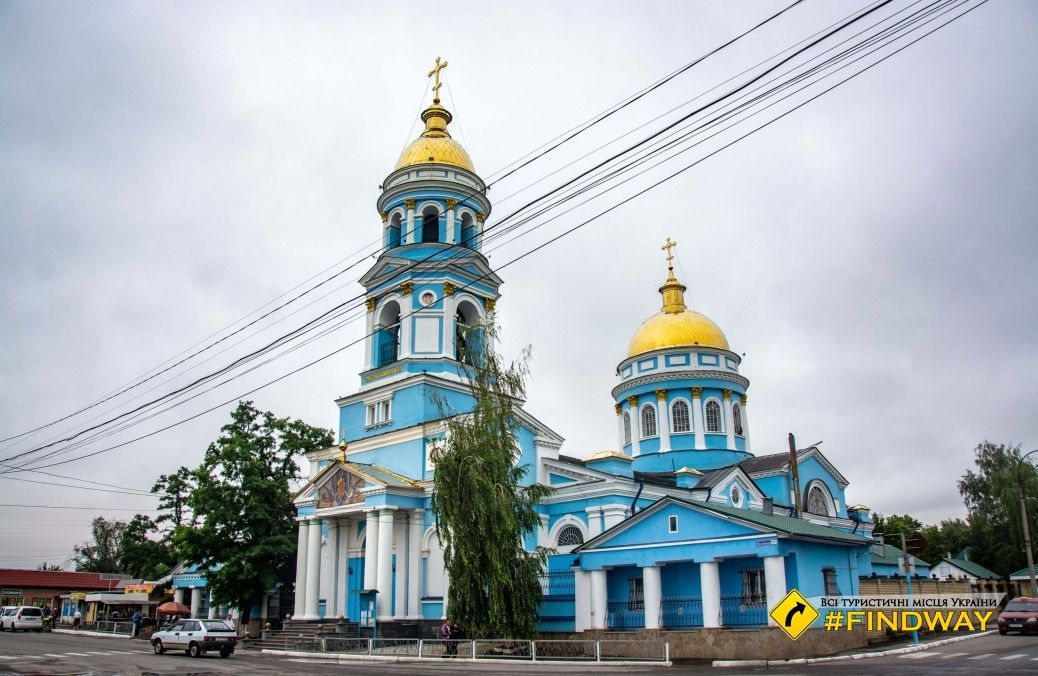
The Holy Ascension Cathedral, the Transfiguration Cathedral, and the Exaltation of the Cross Church! The beauty of these landmarks takes your breath away and captivates the heart. But unfortunately, the war has affected them as well...
At present, sadly, the cultural development of the city of Izium has come to a halt because of the war. However, we hope that all of this will end soon, and then Izium will continue to flourish once again.

Comments
Some more relevant news for now