






















"Antidote" for the Cellular Storm: How Kharkiv Scientists Taught Nanocrystals to "Quench" Oxidative Stress
Articles | | 1,315 | Author: By Olena Zelenina
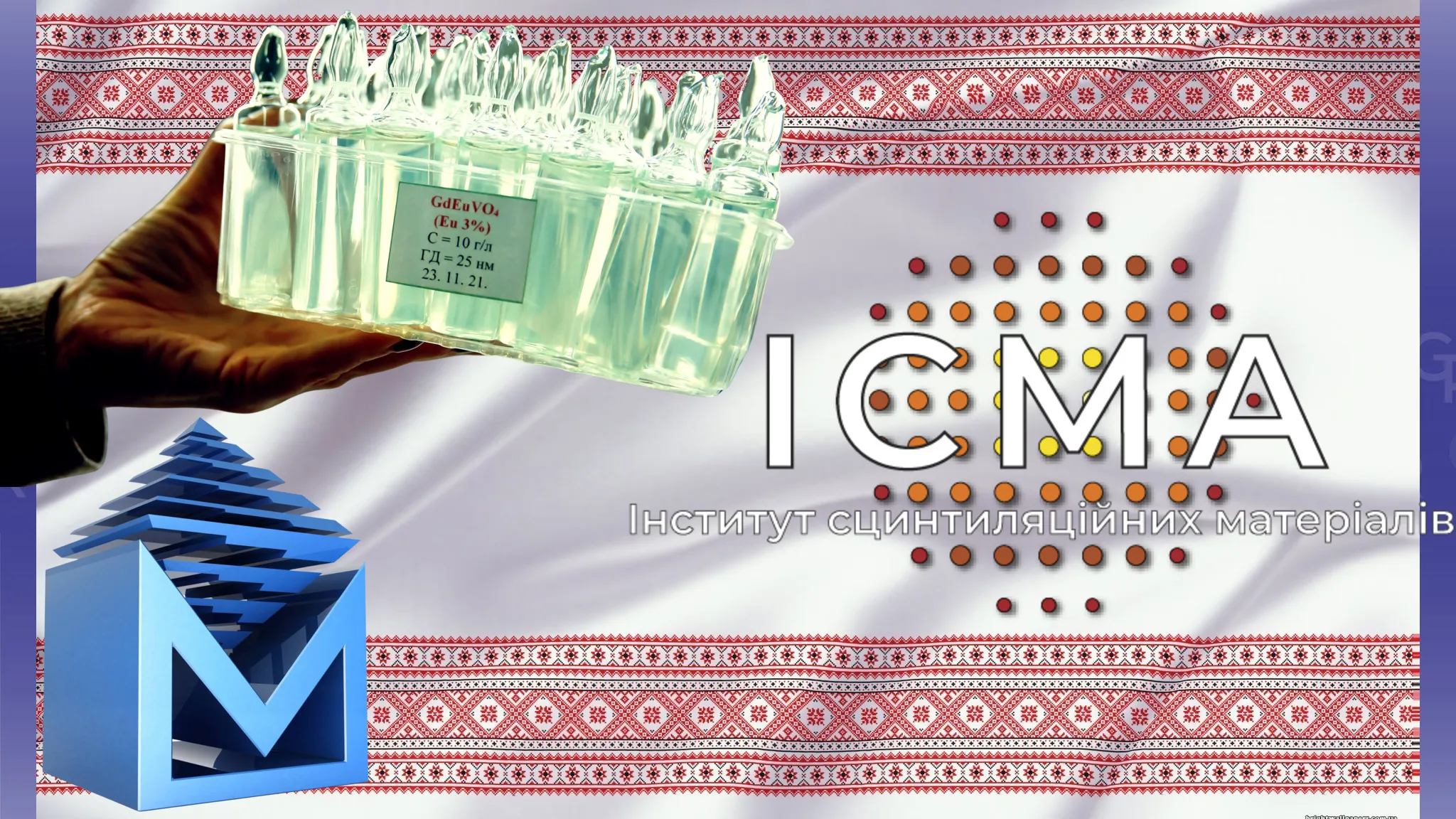
Collage by Olena Zelenina.
What do biological aging, severe exhaustion of a soldier on the frontline, skin inflammation following a wound, and male infertility have in common? At first glance — nothing. Yet, at the level of molecular biology, all these troubles share a single culprit: oxidative stress and an excess of reactive oxygen species (ROS).
The cycle of works titled "Multifunctional Nanomaterials for Modern Biology, Civil, and Military Medicine" by scientists from the Institute for Scintillation Materials of the STC "Institute for Single Crystals of the NAS of Ukraine" (ISMA NASU, Kharkiv) has been nominated for the Boris Paton National Prize of Ukraine.
A team led by Corresponding Member of the NAS of Ukraine, Doctor of Sciences in Physics and Mathematics Svitlana Yefimova, achieved a true breakthrough: they created inorganic nanocrystals capable of precisely controlling cellular biochemistry.
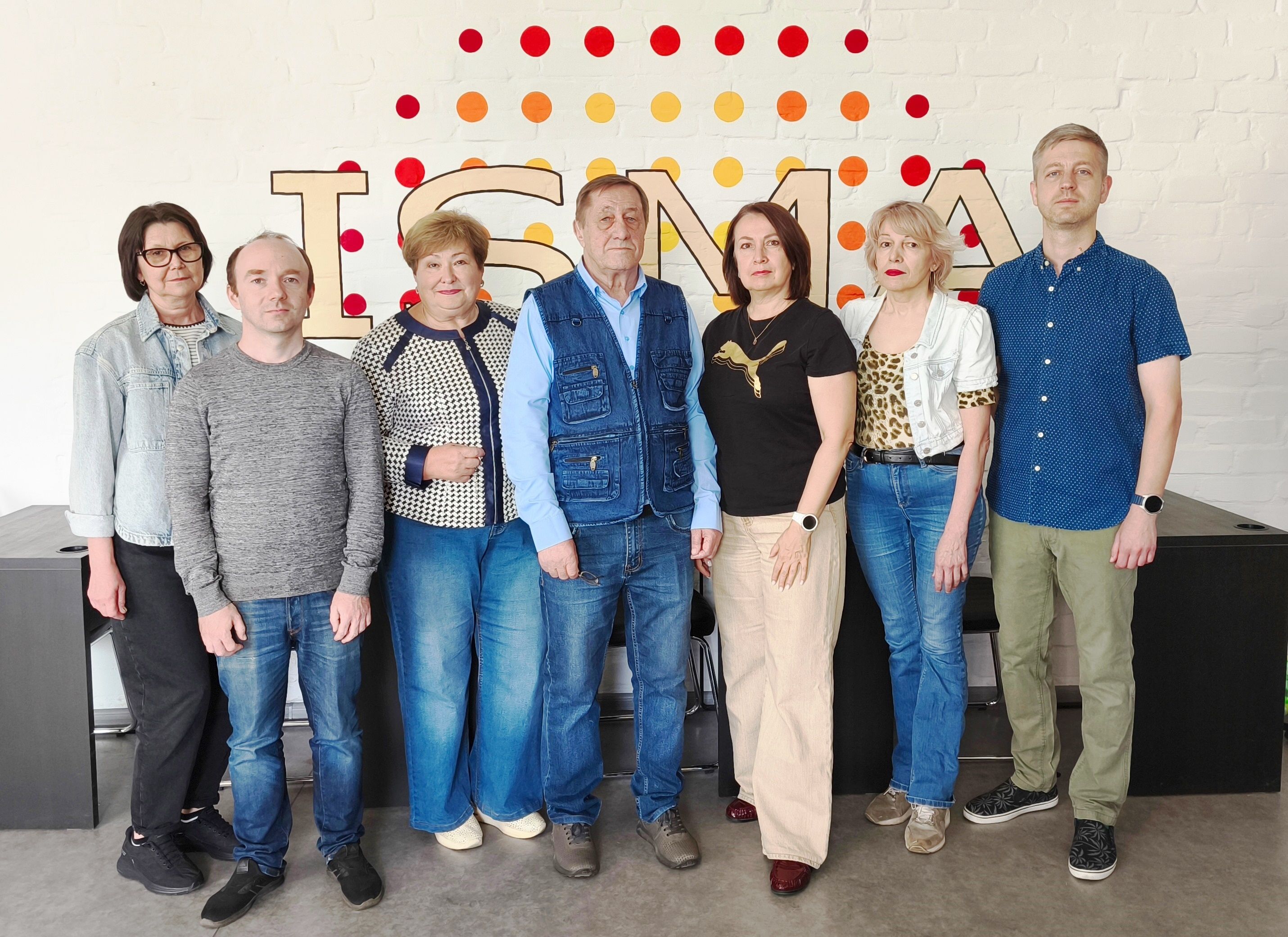
Nominees team from the Institute for Scintillation Materials of the NAS of Ukraine (left to right): Junior Researcher Olha Sedykh; Doctor of Sciences in Physics and Mathematics, Head of Laboratory Vladyslav Seminko; Candidate of Biological Sciences, Senior Researcher Nina Karpenko; Doctor of Biological Sciences, Senior Researcher Yuriy Nikitchenko; Corresponding Member of the NAS of Ukraine, Doctor of Sciences in Physics and Mathematics, Head of Department Svitlana Yefimova; Candidate of Biological Sciences, Senior Researcher Nataliia Kavok; Doctor of Sciences in Physics and Mathematics, Leading Researcher Pavlo Maksymchuk.
Chronic Storm of Wartime
Full-scale war has added the severe factor of prolonged chronic stress to classical medical challenges. It destroys the bodies of both civilians and military personnel, triggering chain reactions that generate free radicals.
Svitlana YEFIMOVA, Head of the Yu. V. Malyukin Department of Nanostructured Materials at ISMA NASU,
Doctor of Sciences in Physics and Mathematics:
"ROS are not merely harmful. Without them, a cell cannot survive at all; they participate in signaling and immune responses.
The problem arises when an excess of ROS forms due to explosions, sleep deprivation, heavy exertion, or infections.
The body simply cannot 'quench' this chemical storm in time, leading to destroyed membranes and damaged DNA.
Our goal was to create a smart material that would not just bind a radical molecule once — like a standard over-the-counter antioxidant — but act as a reusable regulator of biological balance."
The consequences of stress are striking: male reproductive health deteriorates, combat and everyday dermatoses flare up, and wound healing slows down. Under conditions of prolonged warfare, this is not only a matter of medicine, but also of the demographic and economic resilience of the nation.
The Nanocrystal That "Breathes"
In the Yu. V. Malyukin Department of Nanostructured Materials, scientists study objects measuring just a few nanometers — tens of thousands of times thinner than a human hair. At this scale, the physical laws of the microworld begin to work for biology.
Volodymyr KLOCHKOV,
Doctor of Technical Sciences, Senior Researcher:
"Take, for example, the nanocrystals of rare-earth orthovanadates. Their key feature is so-called redox cycling.
Vanadium ions on the surface of the nanoparticle can easily change their valence state: first, they accept an 'extra' electron from a dangerous radical, neutralizing it, and then return to their initial state.
This is not a single-use pill, but a perpetual motion engine for neutralizing oxidative stress directly inside tissues."
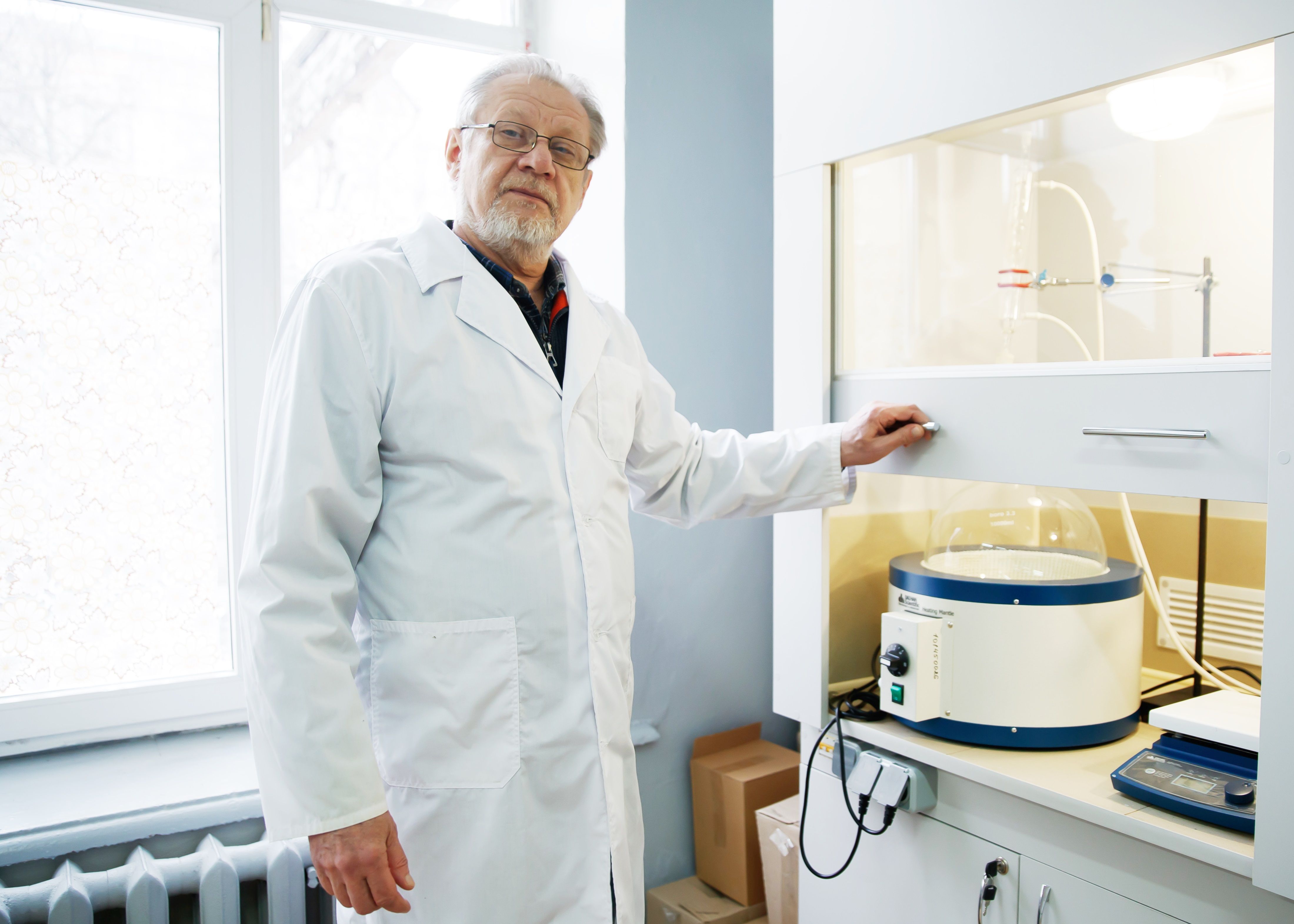
Volodymyr Klochkov, Doctor of Technical Sciences, Senior Researcher at the Institute for Scintillation Materials of the NAS of Ukraine.
"Dark" Activation:
When Defense Must Turn to Attack
But what should be done when oxidative stress is needed as a weapon — for instance, to destroy a tumor or kill resistant bacteria in a wound? Researchers discovered that nanocrystals can also operate in reverse.
Volodymyr KLOCHKOV:
If a nanocrystal is pre-'charged' with ultraviolet light, charge carriers become trapped on energy levels.
When we turn off the light, these charges begin to release slowly and generate ROS in total darkness. This is known as 'dark' generation.
Imagine you are a surgeon: you treat a pathological site with light, remove the radiation source, and the nanomaterial continues to destroy pathogenic cells independently for a prolonged period."
One Material — Four Functions
Kharkiv physicists, chemists, and biologists joined forces to create universal hybrid platforms. The engineered nanocrystals possess bright luminescence, allowing them to solve several tasks simultaneously:
Sensing and Diagnostics: Under the influence of ROS (such as hydrogen peroxide), the nanocrystals alter their luminescence intensity, revealing the precise level of inflammation in tissues.
Nanocontainers: The crystal acts as a carrier for targeted drug delivery to affected cells.
X-Ray Stimulated Therapy: The nanoparticle absorbs hard radiation and transfers its energy to photosensitizing drugs to combat cancer.
Svitlana YEFIMOVA:
"We moved from the concept of a 'passive carrier' to creating an active therapeutic nano-agent. Thanks to luminescence, the nanocrystal signals a problem, while simultaneously balancing the level of ROS in the cell and activating the body's own protective systems. This represents a fundamentally new level of nanomedicine."
From Fundamental Theory to the Pharmacy Shelf Fundamental research conducted between 2009 and 2025 is backed by substantial scientific achievements: 190 scientific papers (including 65 articles in top-tier international journals Q1/Q2) and a series of Ukrainian patents.
Crucially, the research did not remain confined to laboratory walls. ISMA NASU established a semi-industrial facility for synthesizing biomedical nanomaterials, enabling a seamless transition from fundamental science to practical manufacturing.
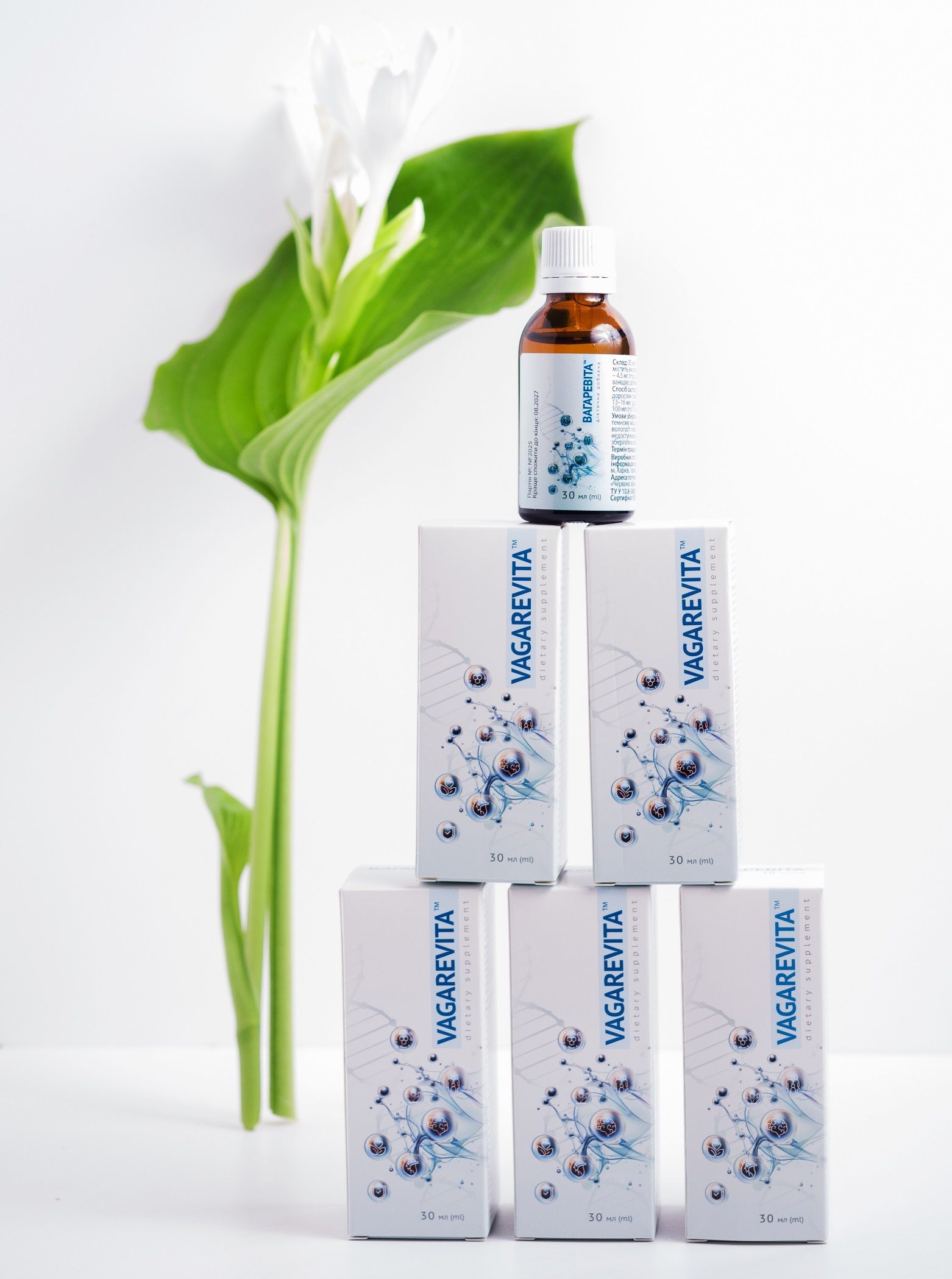
The first product based on an aqueous colloidal solution of nanocrystals was the dietary supplement "Vagarevita," which has no known global analogs and is already used for comprehensive body recovery and support.
Another vital outcome was the development of veterinary medicines, demonstrating the broad practical applicability of these nanomaterials for livestock health and productivity.
Thus, the team has built not just isolated applications, but a complete scientific and technological platform — spanning synthesis, physical characterization, and the creation of targeted products for medicine, pharmacy, and veterinary care.
Combining the fundamental physics of crystals with the urgent needs and challenges of today makes this cycle of works by Kharkiv scientists one of the strongest contenders for the nation's highest scientific award.

Comments
Some more relevant news for now