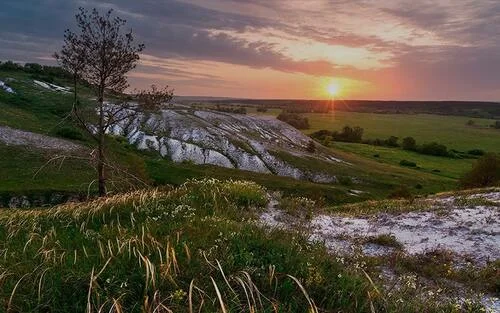

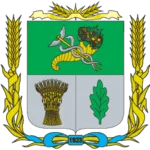
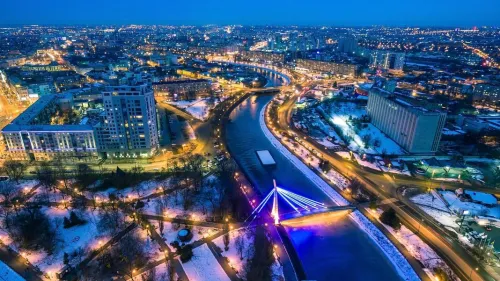
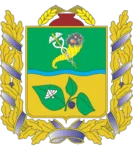
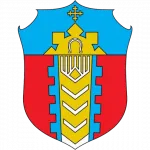

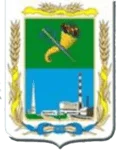
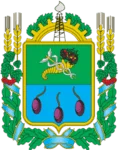
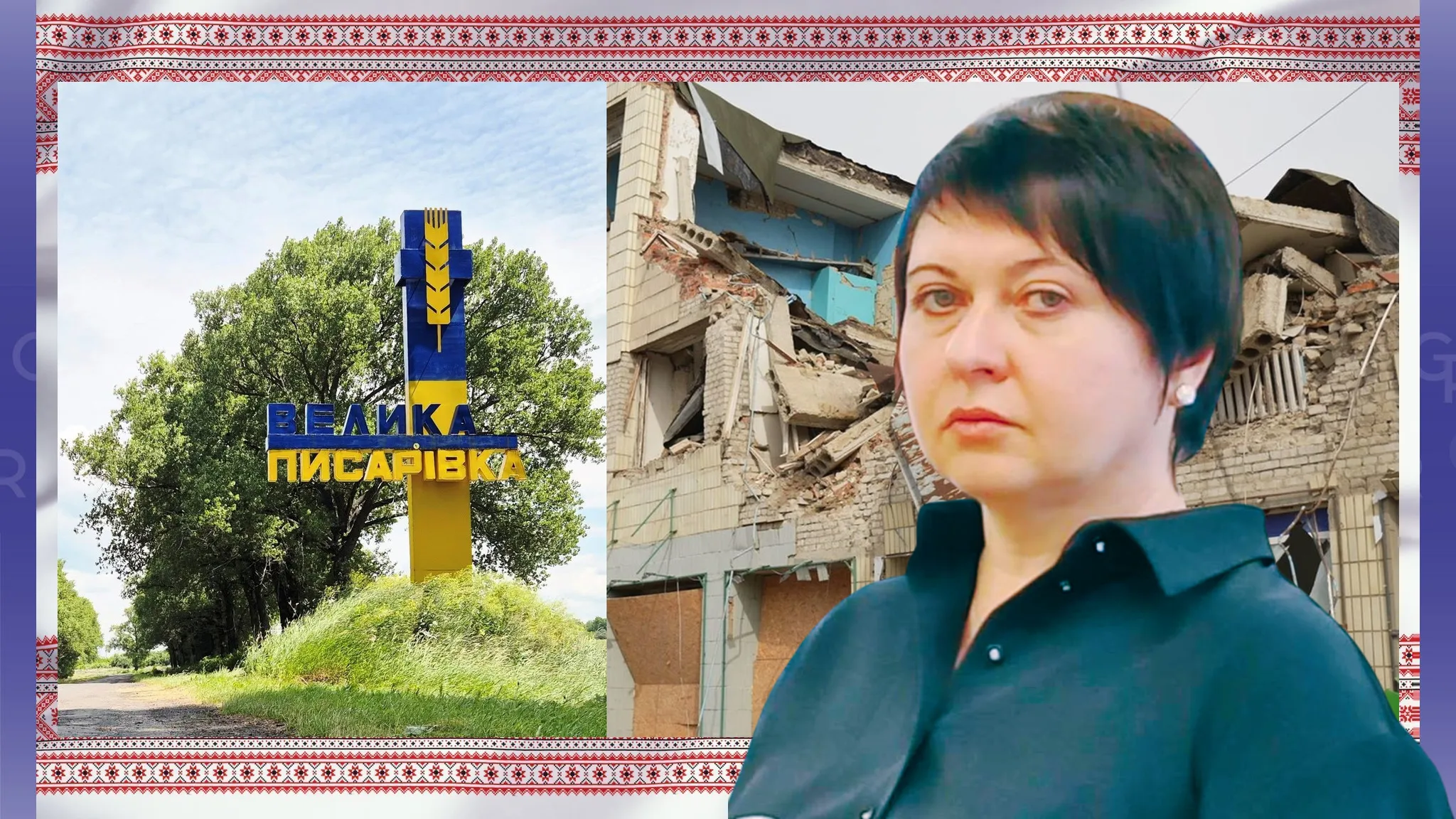
Collage by Olena Zelenina.
When we speak of Ukraine’s resilience, we usually imagine big cities or frontline trenches. Yet true, daily, and sacrificial resilience pulses in small border hromadas (communities) that are the first to face the enemy’s fury and the last to give up. The Velyka Pysarivka settlement territory hromada of the Okhtyrka rayon, Sumy Oblast, is exactly such a place.
It is just a few kilometers away from the border with the aggressor state. Local residents know not from the news what life is like under constant artillery shelling, guided aerial bombs (KABs), missiles, and swarms of FPV drones.
Lydmyla Biriukova, the head of the hromada, spoke sincerely and openly about how the borderland lives, how complex humanitarian and military challenges are resolved, and whether small hromadas can change the face of the entire state on the air of the "Gromada's Voice" program: (a project of the Kharkiv Press Club, hosted by journalist Oleksandr Shvets).
This conversation is not just an official’s report. It is a manifesto of pain, pride, and uncompromising faith in her people.
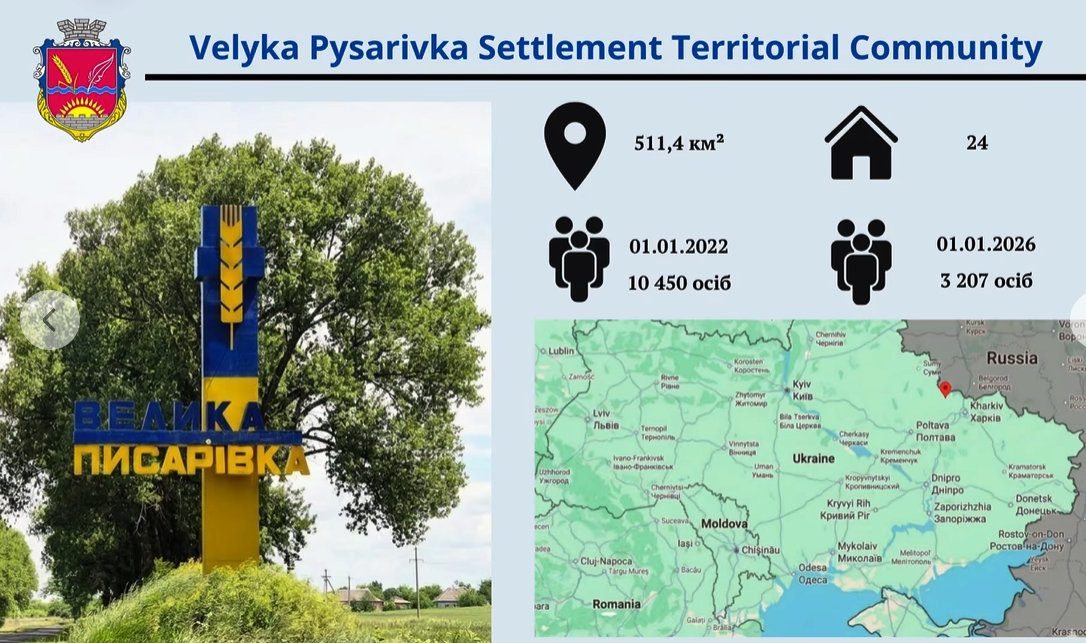
Infographics: Velyka Pysarivka settlement territory hromada.
Challenges That Harden:
From 10 Thousand to a Daily Struggle
Before the full-scale invasion, life was buzzing in the Velyka Pysarivka hromada, home to about 10,000 people. The war ruthlessly reshaped these numbers. In the spring of 2024, the enemy virtually wiped the center of the Velyka Pysarivka settlement off the face of the earth, forcing thousands of families to leave their homes.
About 4,000 residents were forced to evacuate due to the worsening security situation, and later, the mandatory evacuation of children was announced.
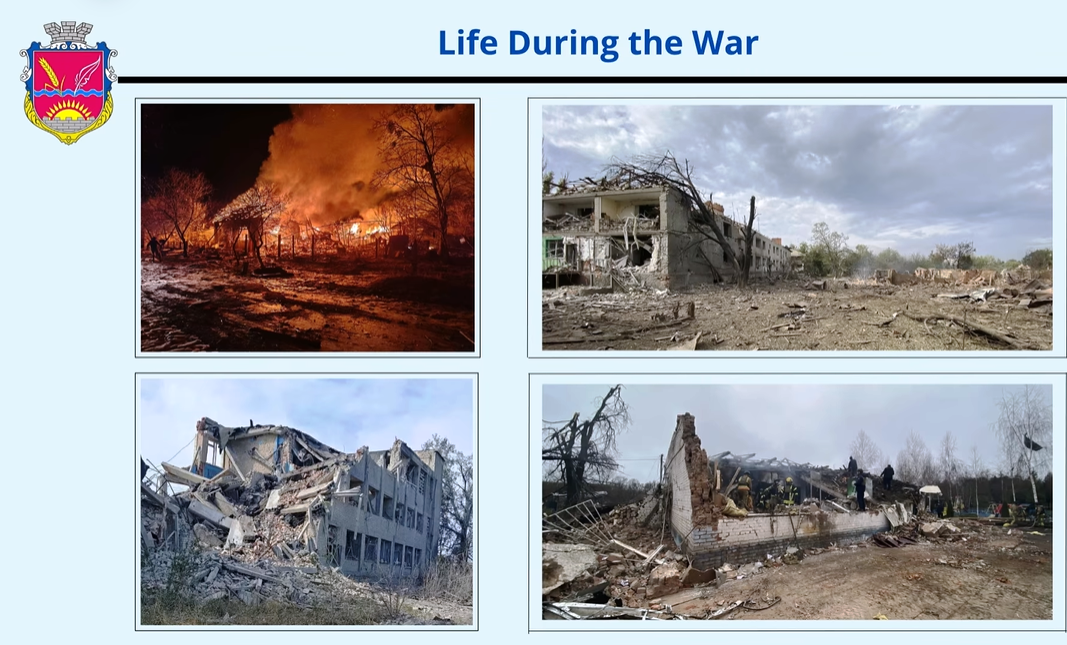
Destroyed buildings in Velyka Pysarivka. Source: Velyka Pysarivka settlement territory hromada.
But the hromada did not disappear. It rebuilt itself.
Liudmyla Biriukova recalls those dark days with unspeakable sadness, but at the same time with pride in her fellow villagers. The evacuation was organized directly under shelling. Every morning at 10:00 AM, without any prior registration, buses took people to safer regions. Those who remained became a single defense and rear organism.
"Today, the enemy destroyed the center of the Velyka Pysarivka settlement. However, we cannot be broken. We save people, we evacuate those in need, and we continue to work where it would seem impossible to live," Liudmyla Biriukova shares her experience.
How Hromada Problems Are Solved:
Survival Recipes at "Ground Zero"
The main lesson the Velyka Pysarivka hromada learned from the conditions of war is not to wait for someone to come and solve their problems for them. The principle of maximum self-organization and adaptability applies here.
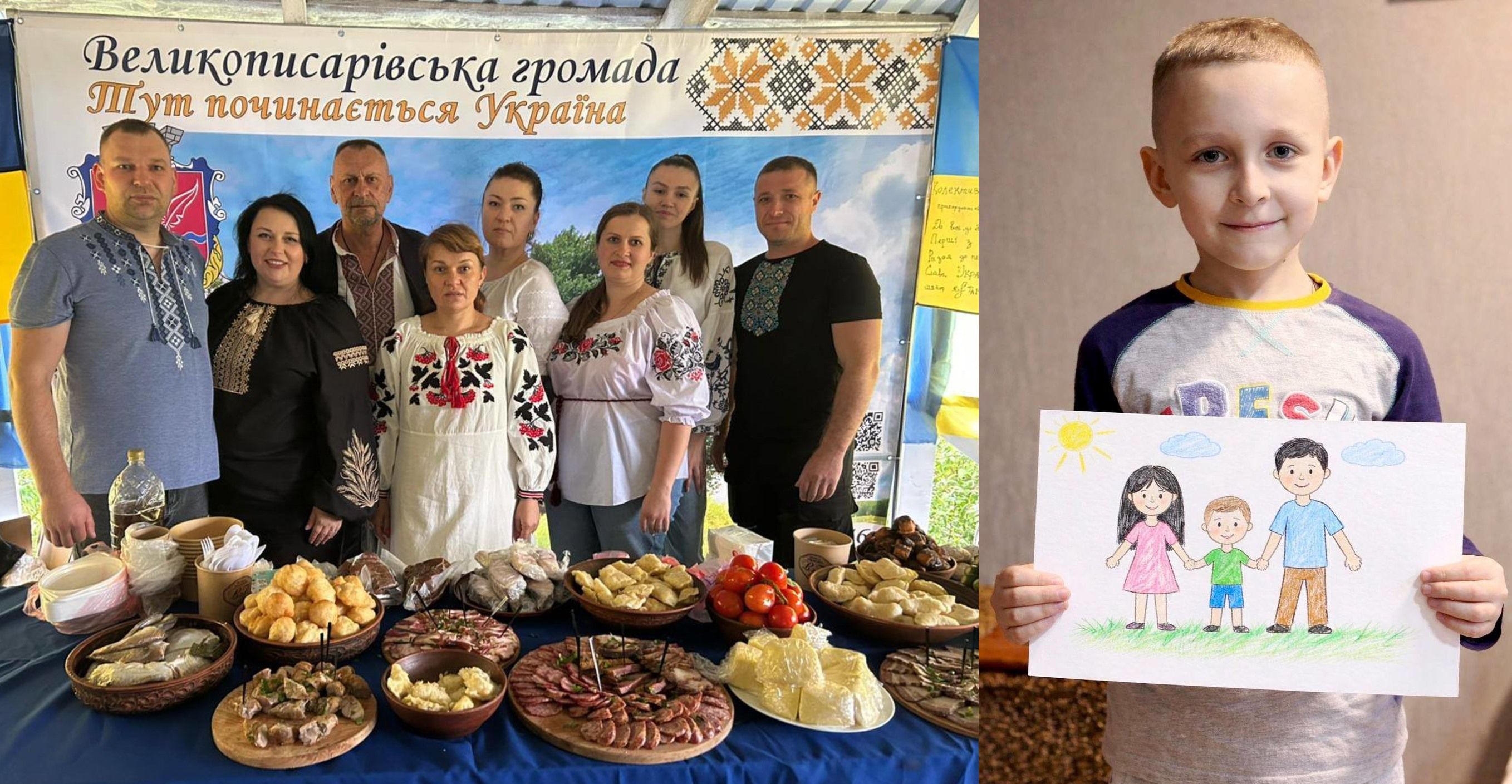
Photo: Velyka Pysarivka settlement territory hromada.
Despite the regular destruction of warehouses, shops, and schools, the hromada has established a flexible system for distributing humanitarian aid. If the enemy destroys a logistics hub in one place, aid is promptly rerouted through other channels. The hromada actively cooperates with volunteers and international missions to provide medicine and food to those who cannot or do not want to leave.
Borderland utility workers are a distinct category of heroes. They have to restore electricity, gas supply, and communications under the threat of repeated strikes. Damaged houses are "patched up" immediately after the shellings, as far as the security situation allows, closing broken windows and damaged roofs with film and OSB boards.
Amazingly, even under such conditions, the hromada tries to maintain the standards of civilized life. Issues regarding the implementation of school catering reform, the preservation of public services, and support for veterans and IDPs are being discussed. Life does not stop—it transforms.
Can Small Hromadas
Transform the Country?
Liudmyla Biriukova's answer to this question is unequivocal: yes, and they are already doing it. The small border hromada has become a mirror of the new Ukraine—strong, flexible, where every resident feels direct responsibility for the neighboring house, for the street, for their land.
The resilience of the state is not built in the offices of the capital; it rests on the strong shoulders of hromada heads and ordinary people who, under the howling of enemy drones, continue to sow bread, extinguish fires, and raise children.
"The experience of our hromada proves: small territories are not the periphery, they are the outpost. If the border hromada stands, if the Ukrainian flag, Ukrainian authorities, and the Ukrainian soul are preserved here, it means the whole of great Ukraine wins. We are learning to live and win in spite of everything," emphasizes Liudmyla Biriukova.
Liudmyla Biriukova at the 18th Baltic Business Forum in Swinoujscie (Republic of Poland) as part of a delegation of Ukrainian hromada representatives. Liudmyla Biriukova’s Facebook page.
It is impossible to look at the fate of Velyka Pysarivka without tears and, at the same time, without deep respect.
This is a story about a land where cars take the impact of shrapnel, saving people's homes, where burned schools remain in memory as symbols of an indestructible desire for knowledge, and where every new morning is a small victory over darkness.
In the daily hell of border survival, where the line between life and death is measured by the seconds of an incoming shell, the only thing that helps to hold on is something that cannot be destroyed by any caliber—an absolute, uncompromising love for one's home.
Without pathos or long speeches, this inner compass of the hromada head, Liudmyla Biriukova, fit into a short but piercing motto on her personal Facebook page: “MY UKRAINE. LOVE HER. PERIOD.”
In these few words lies the entire philosophy of the borderland. There is no room for doubt, long discussions, or half-tones. When your home is being destroyed before your eyes, this wounded but living love becomes the main armor.
For Liudmyla and thousands of her compatriots, this is not just a status on a social network—it is a daily choice to stay, fight, save, and revive life where the enemy wanted to leave only emptiness and ashes. Short, strong, and forever. Period.
To read the full version of the conversation and hear the live history of the Velyka Pysarivka hromada, watch the video broadcast on the Kharkiv Press Club YouTube channel:

Comments
Some more relevant news for now