







Two Wars, Two Occupations, Two Liberations
Articles | 08 грудня, 2025 at 20:04 | 859 | Author: Elina Oshurko
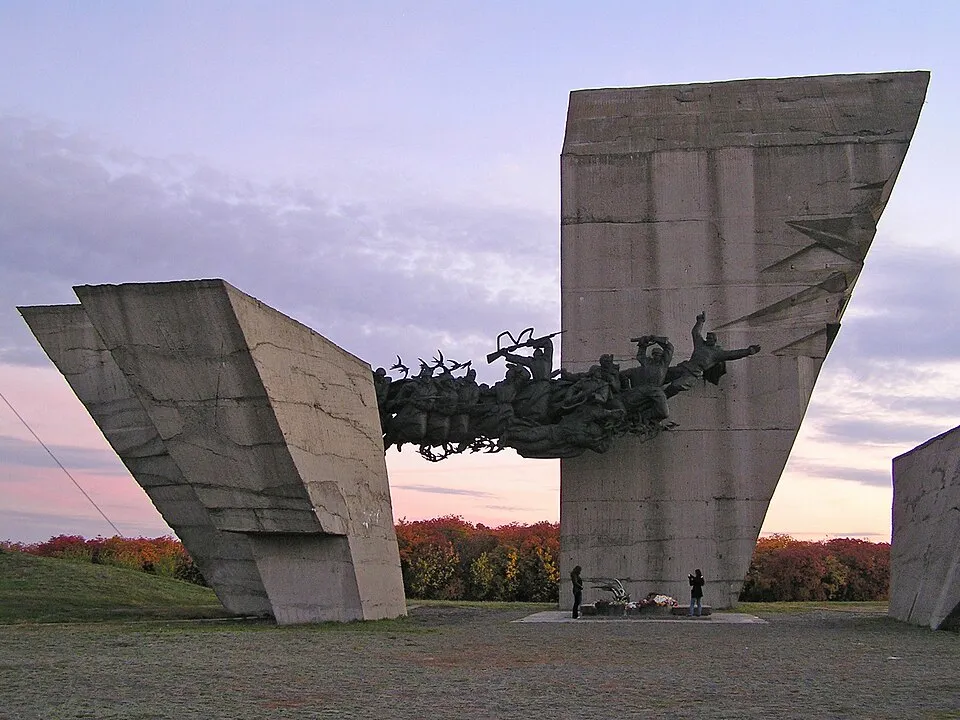
Main article image on the Gromada Group site
How the City of Izium Survived World War II and Is Enduring the Full-Scale Invasion
How the Ukrainian city of Izyum survived World War II and is experiencing a full-scale invasion of the Russian Federation
I, Elina Oshurko, will tell you the story of my war and my native Ukrainian city of Izyum.
The war is a bloody page of our lives, memories still painfully remind us of events with an interval of 80 years.
The pain from the losses of World War II is now intertwined with the fresh pain from the troubles that Russia's full-scale war against Ukraine brought.
During World War II, from September 1941 to June 1942, the front was divided in half. The Red Army suffered a lot of losses, about 240,000 soldiers were also taken prisoner, factories were evacuated to the east. When the Soviet troops retreated, they blew up factory shops, the bridge over the Seversky Donets River, and city buildings.
The city was under German occupation for a whole year (from June 23, 1942 to February 5, 1943).
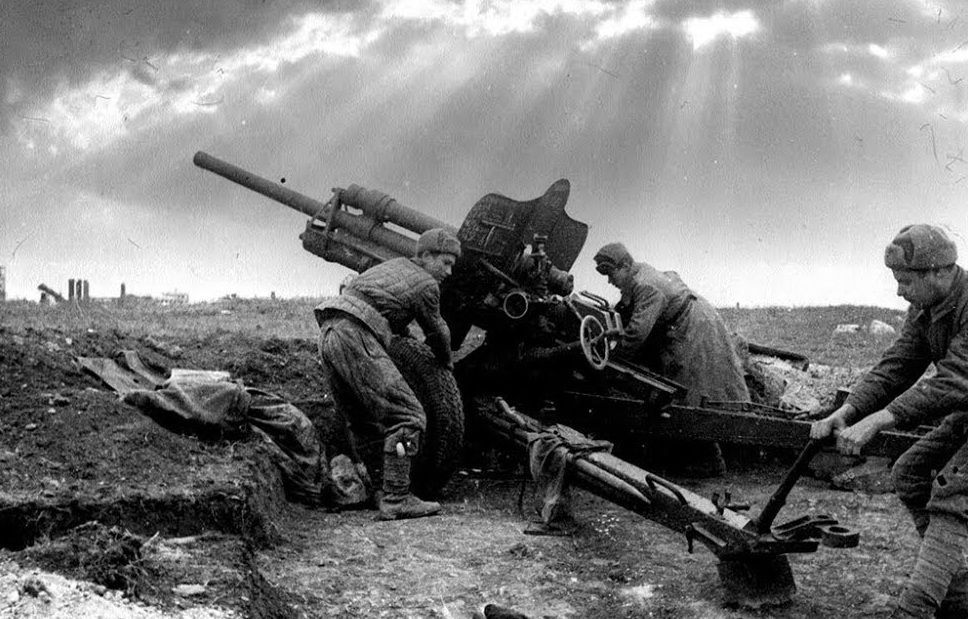
Photo from the Izyum Information website
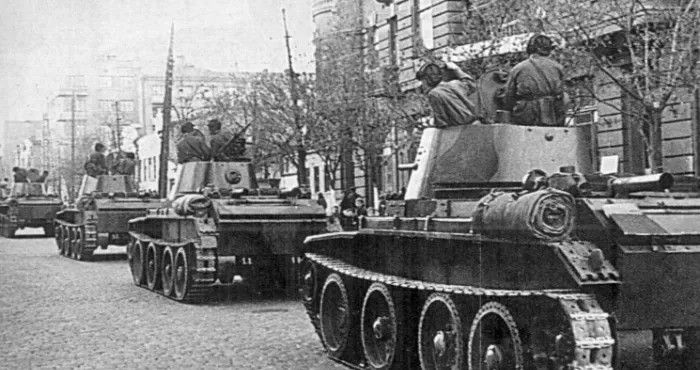
Photo from the Izyum Information website
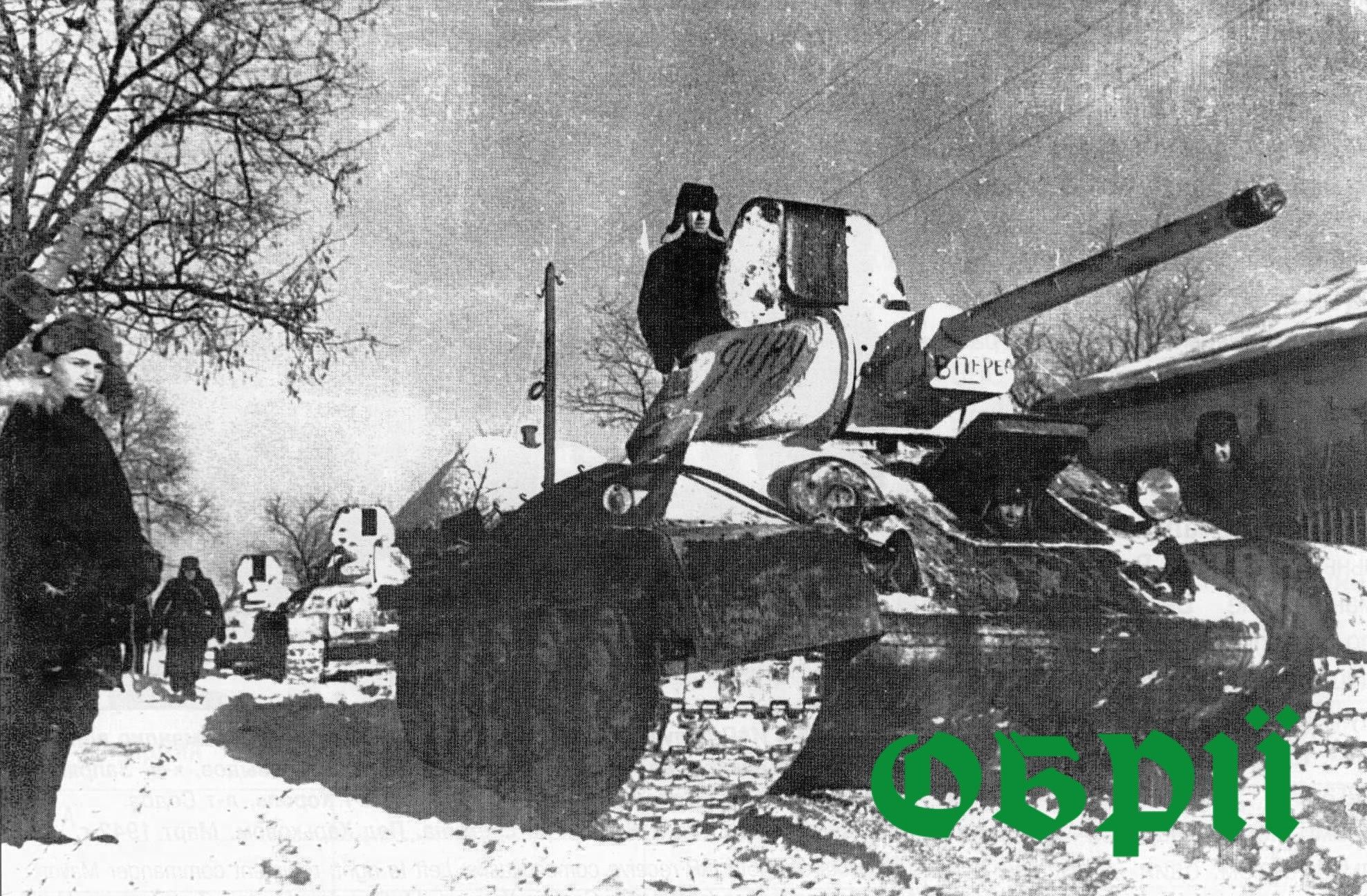
Photo from the Obriya Izyumshchyna website
In a short time, the Germans built a new bridge and brought equipment to the locomotive repair plant. While retreating, the German troops did not have time to evacuate the equipment and blow up the bridge (this bridge, popularly called the "wooden bridge" and the equipment at the plant, served for more than 60 years). On the morning of February 5, 1943, the 267th Rifle Division of the 6th Army captured Izyum, but the further offensive of the Soviet troops was stopped.
The German troops retreated to their old advantageous positions, where they had won a victory in 1942. By September 1943, the Izyum district was again divided in half. The front line passed through the village of Kamianka and along the Seversky Donets River. After the victory of the Soviet troops at the Kursk Bulge, decisive battles for the Izyum region began. The last settlement in the region was occupied by the Red Army on September 10, 1943.
You can read even more about these tragic events from the memoirs of people who survived World War II and are experiencing today's military events. One of them is Maria Kapanina, who used to be a teacher and librarian at Izyum lyceums No. 4 and 6, and remembers well what Izyum was like during World War II. The woman was born and raised on a farm near Izyum, which over time became deserted, like most such settlements. 90 years ago there were up to 30 houses there, now there are about 30 people.
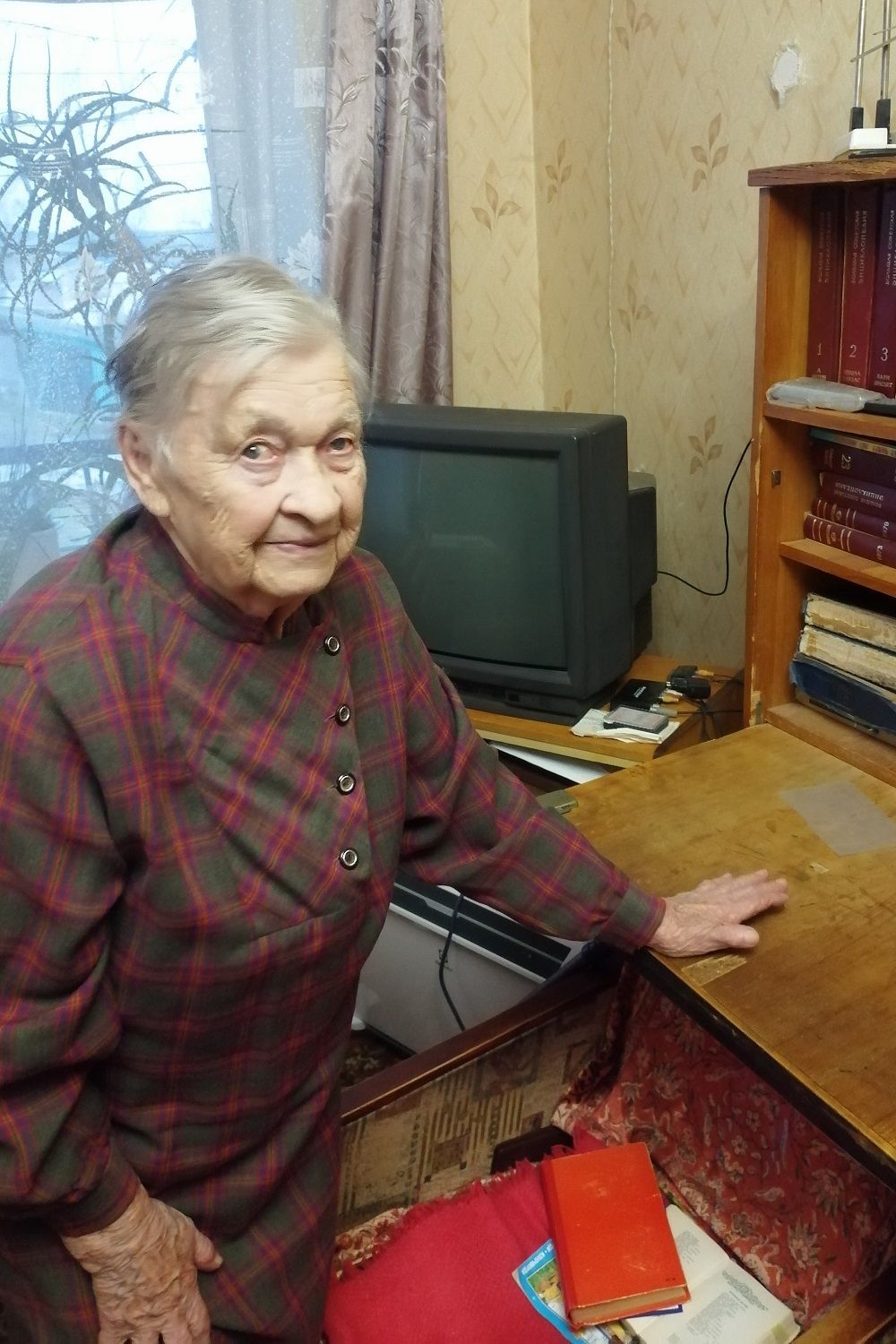
Photo from the website ukrainer.net
On February 23, 2022, just before Russia's full-scale war against Ukraine began, Maria celebrated her 92nd birthday with family. She has two daughters—one left during the occupation while the other lives with her.
Maria Kapanina vividly remembers how World War II began. In 1941 she finished fourth grade and lived with her grandparents in Golubivka village near Izium. She learned about the start of the war from her grandfather. She recounts it this way:
"I remember well those first days of war. Grandfather delivered mail to villages and brought news: war had begun. There was no radio yet or anything else. He also brought in the first draft notices. I remember hearing about those who died around our village.
Before German occupation came to our village there were explosions nearby that set houses on fire in neighboring villages while our hamlet was left without authority. Soon after that, occupiers arrived here.
In 1942 I remember how Germans came in. It was summer—very hot with bright sunshine... And there was only one street in our village. They rode three on motorcycles with sidecars and three more with accordions—driving by cheerfully without stopping at all. But later that same day trucks came through shouting: 'Eggs! Chickens!' taking everything from people's homes."
When Maria tells this story she sighs heavily; it is very hard for her to talk about it...
And when they entered her aunt's yard next door and started catching chickens—it was sheer horror... A little dog tried to prevent the enemy from entering their yard but failed: cruel Germans shot it... And even as it lay dying it continued crawling towards its pigsty (the place where pigs are kept) to protect its home from invaders...
During both occupations—in 2022 and during German rule—Maria worried not only for people's lives but also for animals.
Until the end of the war Maria lived in Bugaivka village in Izium region. Here is how she recalls Victory Day:
I was in the sixth grade. I remember that day, May 9, 1945. A light rain had passed. We woke up to sunshine and such freshness! It felt like nature was smiling. And we looked out to see people running to the center of the village. When we arrived, there was an impromptu rally. The deputy principal of the school, Ivan Timofiyovych, was speaking; he had lost a leg in the war. His speech stuck with me the most. He said, "Children, you are happy now; soon your fathers and brothers will return. But some of you stand here knowing that theirs will not come back." And at that moment, there were screams, tears, and laughter—hair standing on end. That’s how victory came.
Maria also recalls her father, who went missing in action at the front in July 1941; until 1943, nothing was known about him, and they hadn't seen each other for two whole years. Suddenly, one evening at the end of April '43 when the cherry trees began to bloom, he returned. It turned out he had walked 50 kilometers from his unit in Kupiansk to reach us.
A few months later, Maria's father sustained four serious injuries near Izium. In one day he was wounded in his arm; a hostile fragment hit him under the shoulder blade while a bullet tore through his calf. Another fragment shattered his kneecap on the other leg, leading to amputation of that limb. He spent a long time in a hospital in the village of Kantemyrivka in Poltava region. To see him, Maria's mother walked over 200 kilometers on foot.
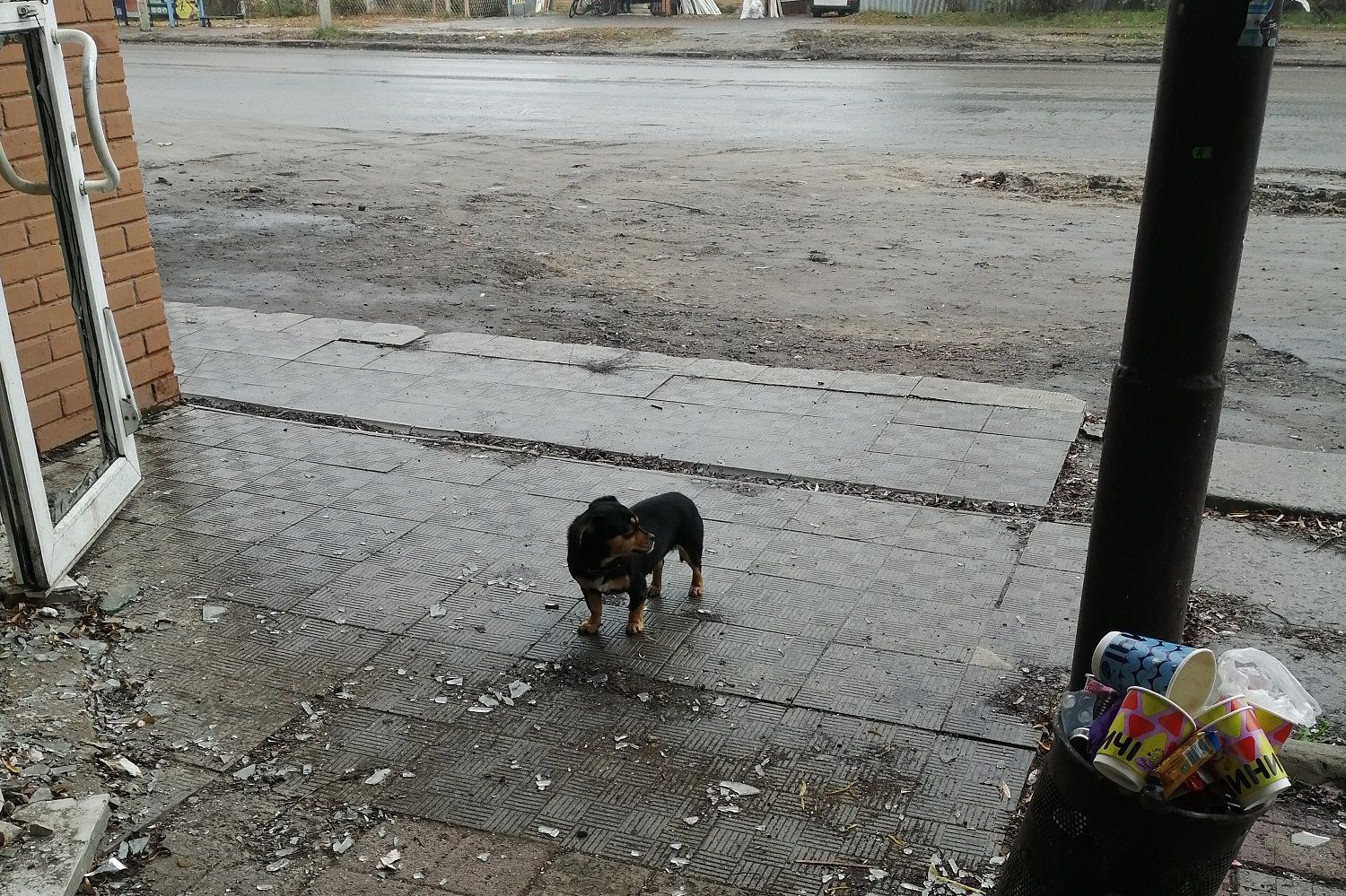
Photo from the website ukrainer.net
Here is how she remembers the German attacks:
"We heard many explosions and saw many planes. One time my mother and sister went to the garden while I stayed in the yard. Freight trains were heading east—evacuated people—and westward were military vehicles—tanks covered with tarpaulin. Then suddenly fighter planes swooped down and started firing machine guns! The train stopped and shots rang out from it too. I stood in the yard and could even see one of the pilots: he was red-haired and wearing glasses. Where could I run? I crawled under a mat where we stored beets. Then I heard my mother pulling me by my legs. That’s how we got into the cellar."
On the eve of the start of Russia's full-scale war against Ukraine, on February 23, 2022, Maria celebrated her 92nd birthday with her family. The woman has two daughters - one left during the occupation, and the second lives with her.
Maria Kapanina remembers well how World War II began. In 1941, she finished the 4th grade, lived with her grandparents in the village of Golubivka, near Izyum. Maria learned about the beginning of the war from her grandfather. She tells it like this:
“I remember the first days of the war well. My grandfather delivered mail to the villages and brought the news: the war had begun. Back then, there was no radio, nothing. And he brought the first summonses. I also remember the first reports of those killed in the village.
The German occupation of the village was preceded by explosions in the vicinity, as a result of which houses in neighboring villages burned down, and the farm was left without power. Soon the occupiers came here.
In 1942, I remember how the Germans arrived. It was summer, it was so hot and the sun was so... And there was only one street in the village. And three people ride on motorcycles with sidecars, three people with accordions. They drive by cheerfully. They drive by and nothing happens. And after a while, on the same day, cars drive by. They shout: "Eggs, chickens!", and take everything from the houses.
When Maria tells about this, she sighs heavily, it is very difficult for her to have this conversation…
And when they went to her aunt in the neighboring yard and started catching chickens, it was some kind of horror… The dog tried to prevent the enemy from entering the yard, but she did not succeed: the cruel Germans shot the dog… And even when she was already dying, she continued to crawl to the sod (a place where pigs are kept) to protect her home from the enemy…
Both during the occupation in 2022 and during the German occupation, Maria worried about the lives of not only people, but also animals.
Maria also remembers her father, who disappeared at the front in July 1941, until 1943 nothing was known about him, they did not see each other for 2 whole years.
Suddenly, in the evening, at the end of April 43, when the cherries began to bloom, he came. It turned out that he had walked 50 kilometers to us from his unit in Kupyansk.
In a few months, Maria's father received four serious wounds near Izyum. In one day, he was wounded in the arm, hit by an enemy fragment under the shoulder blade, and a bullet tore out his calf. Another fragment shattered the kneecap on the other leg, which led to the limb being amputated. He spent a long time in the hospital in the village of Kantemirovka, in the Poltava region. Maria's mother walked there more than 200 kilometers to see him.
And here is how she recalls the German attacks:
We heard a lot of explosions. And we saw a lot of planes. Once my mother and sister went to the garden, and I was in the yard. To the east, freight trains were going, — evacuated [people]. And to the west — military — tanks, covered with tarpaulin. And once the planes flew in and started shooting from machine guns! The train stopped, and they were shooting from it too. I'm standing in the yard and I can even see the pilot: red-haired, with glasses. Where should I run? I climbed, well... I put my head under the mat where the beets were stacked. When I hear it, my mother is pulling me by the legs. That's how we climbed into the cellar."
Many soldiers were also awarded, some posthumously, awards, some were awarded twice.
The workers of the rear also worked hard for the front. In 1943, during the evacuation, specialists from the IZOS (Izyum Instrument-Making Plant) developed a unique technology for stamping blanks from liquid glass. Later, the contribution of the Izyum people was highly appreciated. By the decree of the Presidium of the Supreme Soviet of the USSR of May 7, 1985, the city of Izyum was awarded the Order of the Patriotic War, 1st degree.
Until the end of the war, Maria lived in the village of Bugaivka, which is in the Izyum region. Here is how she recalls Victory Day:
I was in the sixth grade. I remember this day, May 9, 1945. The rain had passed. We woke up - the sun and such freshness! Such warmth, as if nature was smiling. And we looked - people were running to the center of the village. We ran - and there was a spontaneous rally. The headmaster of the school, Ivan Timofeevich, spoke there, he lost his leg in the war. I remember his speech the most. He said, "Children, you are now rejoicing, your parents, your brothers will soon return. And some of you are standing there and understand that theirs will never return." And here - both screaming, and tears, and laughter - hair on end. That's how victory came."
Little by little, the city of Izyum began to recover after World War II, everything began to work normally, not immediately, of course. It took a lot of years to restore the city.
Gradually, kindergartens, schools, shops began to work in the city, Izyum began to revive. It was a very beautiful city, although small, but everything worked normally, people enjoyed life, children went to kindergartens, then studied at schools, then planned their lives further. The picturesque nature of the city was fascinating, and most importantly, it was safe to walk around the city.
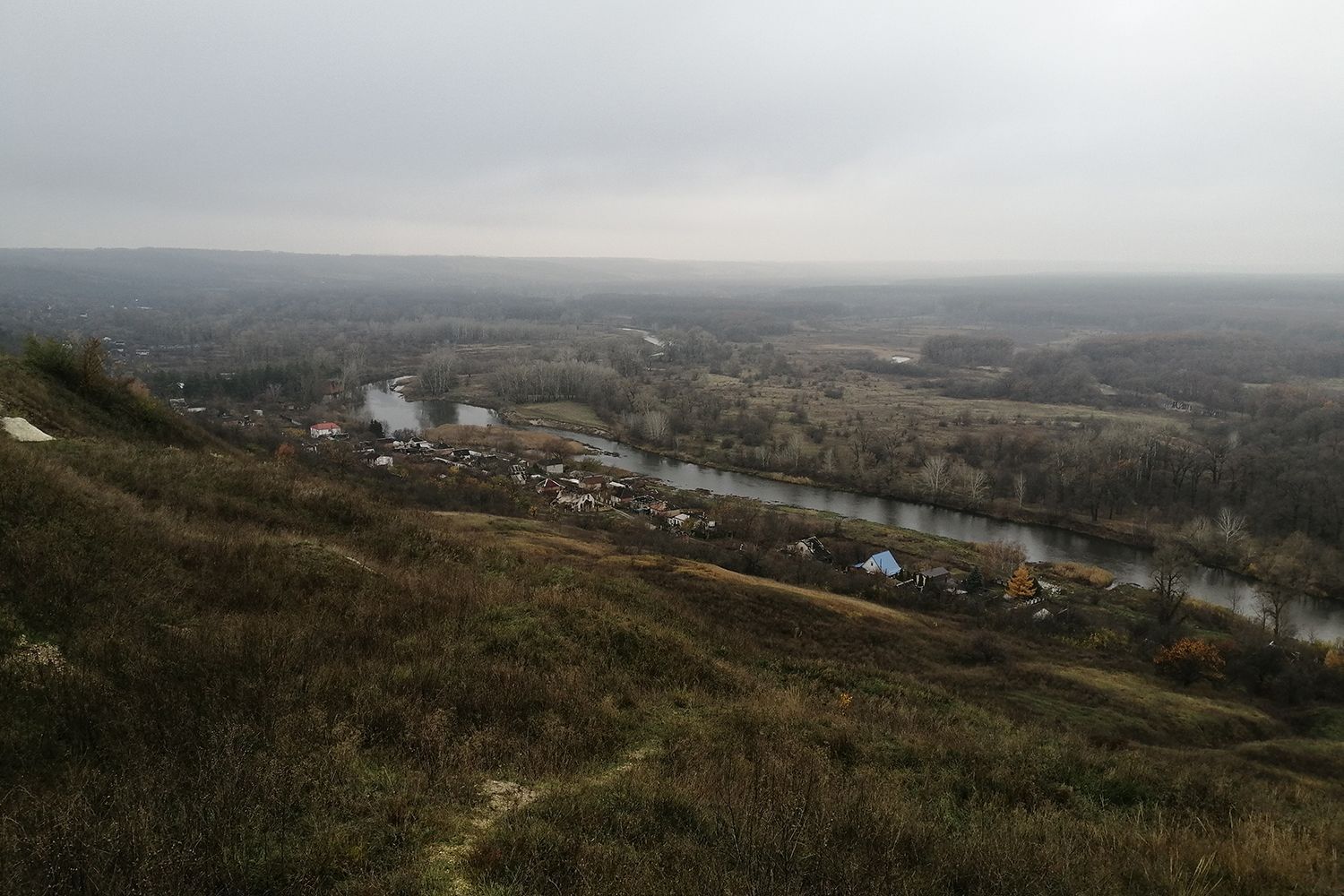
Open source photos
Open source photos
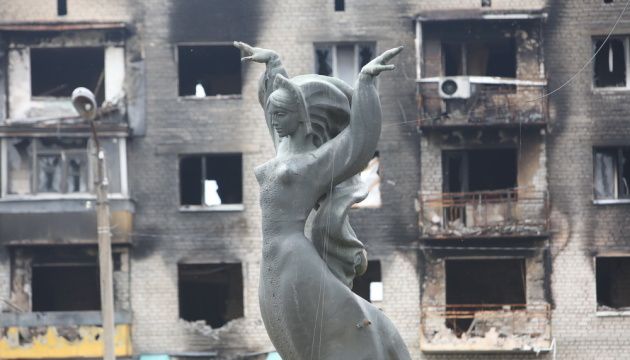
But the day came when all of Ukraine shuddered. On February 24, 2022, Russia's full-scale invasion of Ukraine began. Then people did not believe that the war had begun, because it was the 21st century.
What kind of war could there be if we live in a civilized world? - Ukrainians asked.
Open source photos
Open source photos
I have personal experience of war. When the war began, I was in Kharkiv studying. My dad told me about it, after reading the news that explosions were heard in Kharkiv. My parents were very worried about me and, together with my uncle, my dad's brother, we took them out of Kharkiv. Then there was a lot of everything: an arrival in my hometown of Izyum, brutal shelling, planes, bombs, tanks, armored personnel carriers, a lot of destruction, a lot of people died and a lot of people were injured. And there was also a case when people got stuck in the basement, no one could pull them out, because that part of the city was being shot at, unfortunately 61 people died. And then the occupation began… There was nothing: no electricity, no water, no gas, no communication, no Internet. Of course, I was expelled from the university.
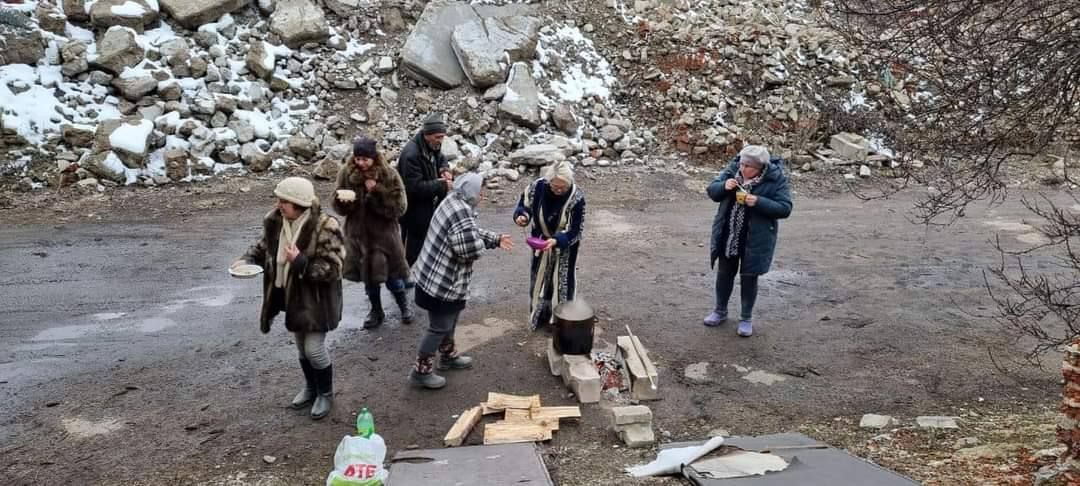
Photo by Elina Oshurko
We cooked food on a homemade river in the yard, in the summer it was still warm, in the winter we simply froze. There was also nothing to eat, we carried water from the neighbors. We didn’t plan anything anymore, we just lived like on automatic: we got out of bed, went and ate something that was there, drank what we took from the neighbors, waited for the evening, went to bed.
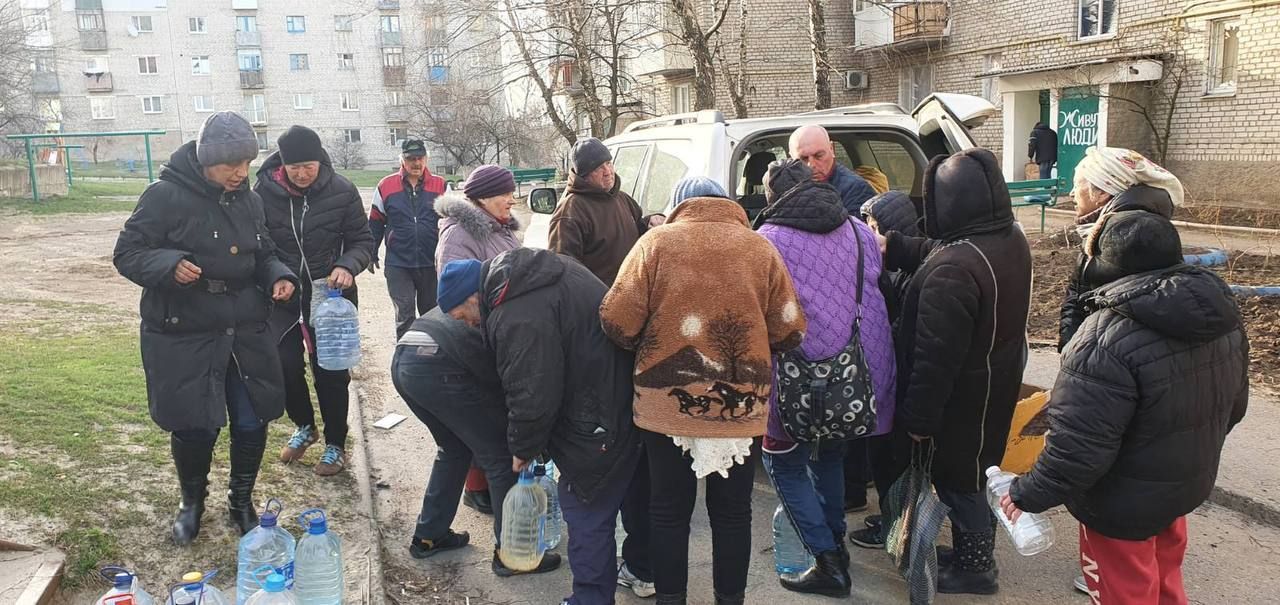
Photo by Elina Oshurko
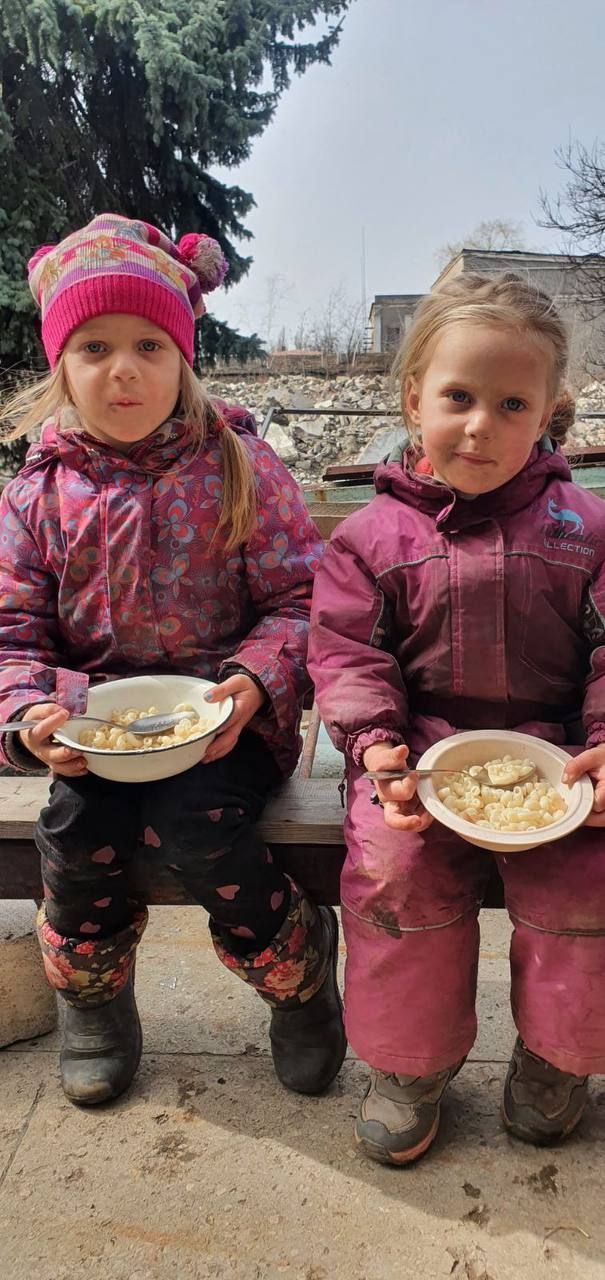
Photo by Elina Oshurko
We slept wearing jackets, hats and felt boots, because it was very cold in the house, the shelling continued. Once it flew into a neighboring street, people died. We didn't know what time it was, nor did we know the news, what was happening in the world at all. In general, it was very difficult, hard, sad, but we managed and survived.
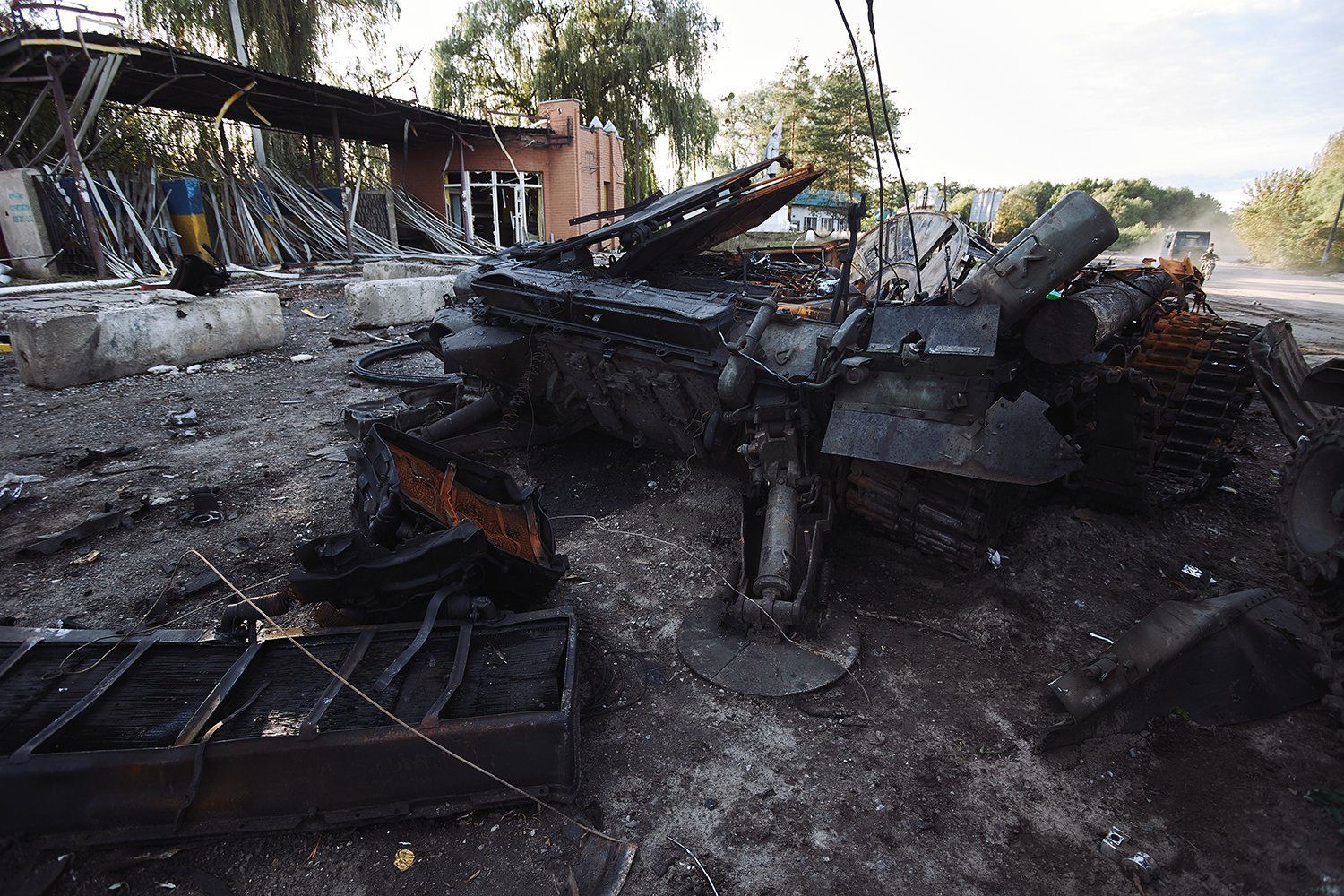
Photo from ukrainer.net
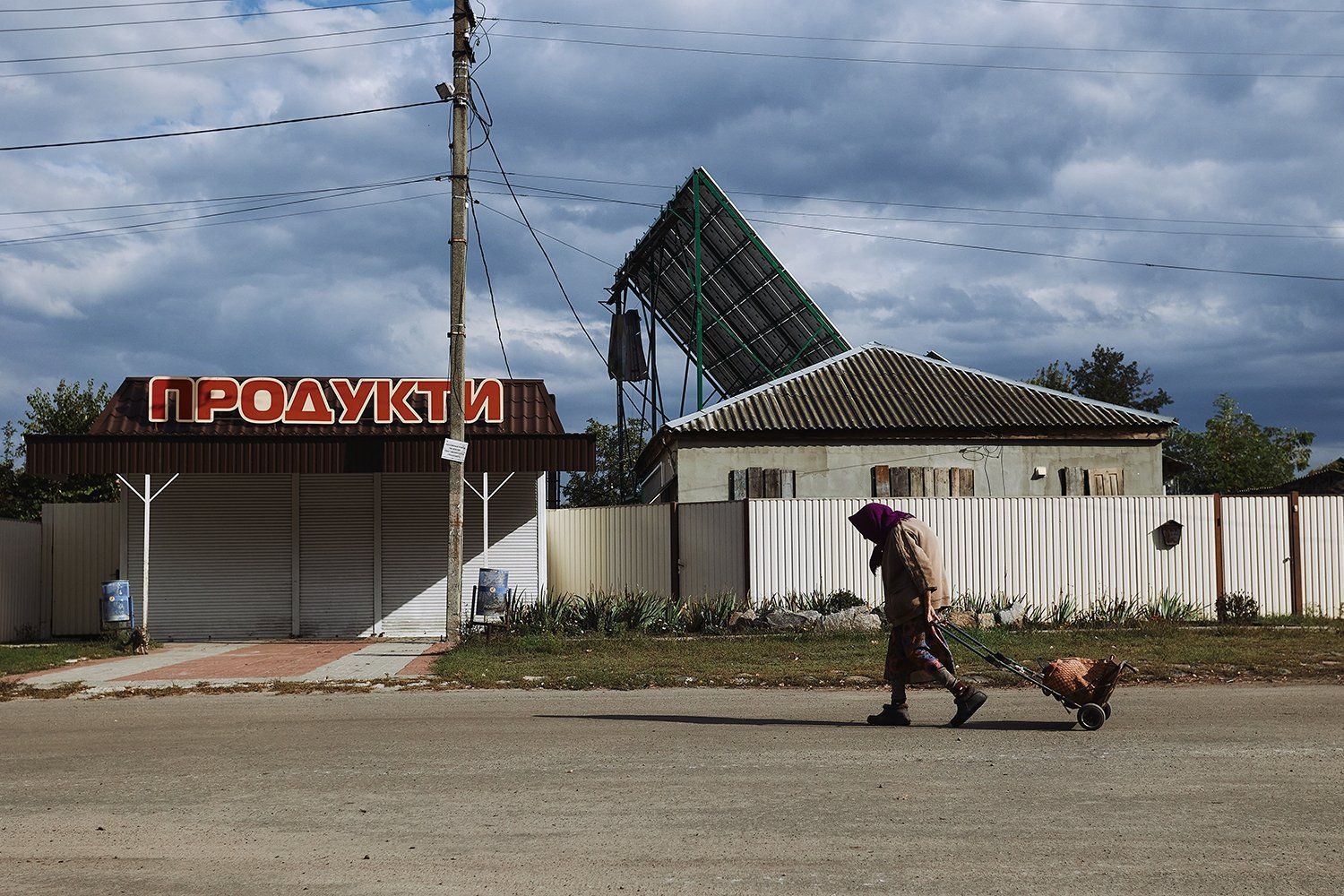
Photo from ukrainer.net
Then we learned about the graves where 400 people had died. They were tortured during the occupation and could not be immediately identified.
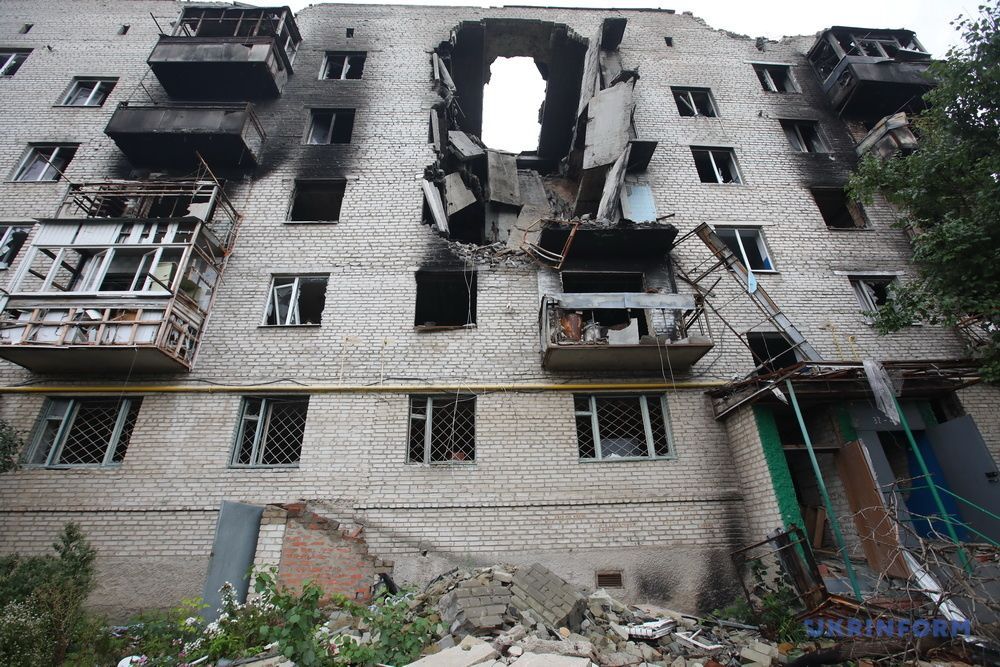
The largest number of deaths occurred in early March 2022 after airstrikes on high-rise buildings. People were pulled out of the rubble by families. They dug for a long time, the bodies were scattered in parts. Burned, crushed.
The tragedy of just one family among those killed in the Russian airstrike on a high-rise building in Ishchyum is told in the film "Ground Zero", created by journalists as part of the project of the Kharkiv Press Club "Scars".
https://www.youtube.com/watch?v=RnCiHE-Wnv0&list=PLm4oYbleTj4OmbLlVQN6vr8hjmlLpLi8E&index=42
The film "Ground Zero" tells the story of another crime: on March 9, 2022, the Russian army launched an airstrike on a residential building at 2 Pershotravneva Street. Mykhailo Yatsentiuk is 65 years old. He is the only one in his family to survive after a bomb hit the house. On March 9, 2022, his wife, daughter, son-in-law, aunt and three grandchildren were hiding in the basement of the 3rd entrance. There, Mykhailo set up a shelter and took care of his homeland during the shelling. He told how the bomb got into the house... How passers-by tried to dig up the remains of the bodies of the dead. Several entrances turned into card. 40 apartments were destroyed. More than 50 people were trapped under the rubble. The youngest victim, granddaughter Arina, was 3 years old. The middle grandson would have turned 10 in 21 days... "I buried five of them in a mass grave - the family, the aunt and the woman separately," says Mykhailo.
And then we learned about the graves in which 400 people died. They were tortured during the occupation, they could not be recognized immediately.
Today it is still civilian, - says Volodymyr, a tall black-browed man, trained to distinguish the shades of death. - In the previous shifts I would somehow get bodies thrown into a pit, face down - as they were thrown, so they landed. I saw severed legs, and next to them - brains. I saw tied hands and ropes around the neck. I took out the wounded, with cuts and holes in their bodies, with bullets and shrapnel wounds”.
"About 500 civilian burials have been found. And so far, one grave has been identified, where about twenty servicemen of the Armed Forces of Ukraine are buried en masse.
When Volodymyr is not carrying bags of bodies, he is sorting out the rubble after rocket attacks in Kharkiv or breaking down emergency walls to let people out, etc.
He says he would like his personal participation in the case to help achieve one goal - to establish the cause of a person's death and punish those responsible for it.
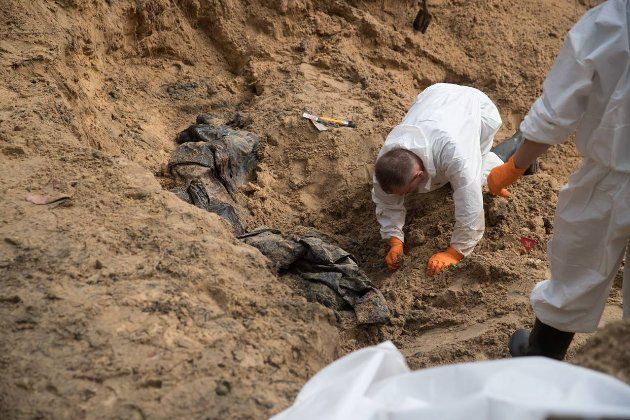
Photo from the BBC. com website
At this Izyum cemetery, which has become known to the whole world, 447 bodies were exhumed, of which 5 were children and 22 were soldiers, the rest were adult civilians. According to the National Police and the regional military administration, most of the dead have signs of violent death, 30 - traces of torture. The remains of 11 bodies are so mutilated that it is currently impossible to identify them gender.
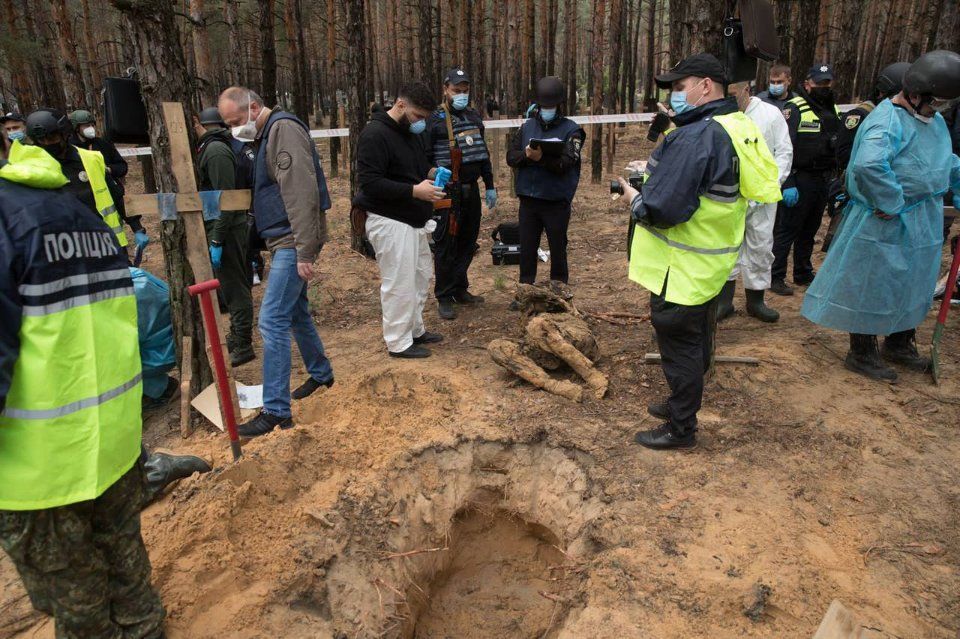
Photo from lb.ua
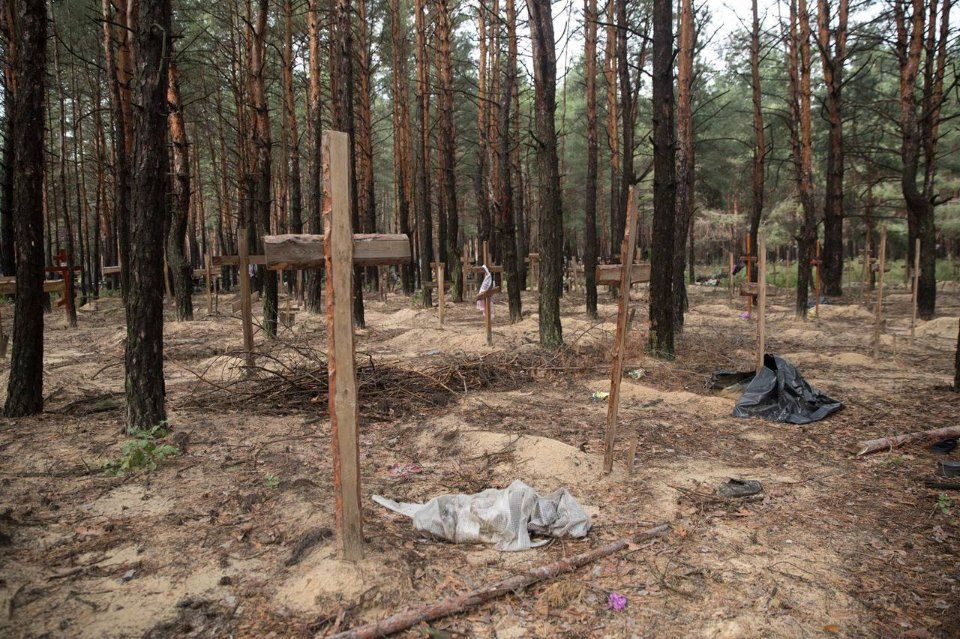
Photo from armyinform.com
Some have already been identified by their relatives, but since this is an illegal spontaneous burial, all the bodies are being sent for examination. Moreover, there was confusion with the marked graves.
According to Bolvinov, there is one of the largest burials in the city, the bodies were buried separately. People were killed, died from artillery fire or air strikes. All the bodies will be exhumed and sent for forensic examination.
And how many traitors were there in Izyum! Here is what Ms. Maria Kapanina says about this:
I am now 92 years old and I have probably not cried as many tears in all my years as I have since February 24. I am scared, I can’t… I understand that I am a person of the older generation, but… What kind of looters were there. Already on February 24, our people were already dragging, breaking up — there was no one in Izyum Russians!”.
Maria talks about the full-scale war reluctantly, with great pain in her voice — these memories are too fresh and full of different emotions. What hurts her the most is the betrayal of the locals, who lived nearby for years, and then happily wished the Russians success.
Of course, not everyone turned out to be traitors. Maria’s family and her neighbors exchanged food, water, and fire. Local rescuers brought milk and bread from the surrounding villages. Residents who started volunteering also helped: they brought food, even if they came under fire.
The need to talk about wartime life and share their pain is what unites and unites the locals. Many of them also recall with shock the neighbors with whom they lived nearby for years, who then collaborated with the occupiers.
The need to talk about wartime life and share the pain is what unites and unites the locals. Many of them also recall with shock the neighbors with whom they lived for years, and who then collaborated with the occupiers.
Another very sad story about the death of Volodymyr Vakulenko, a children's writer from the city of Izyum, who was kidnapped and tortured by the occupiers, and then shot.
Russian servicemen offered him cooperation and tried to force him to abandon his pro-Ukrainian position and patriotic views. The writer paid for this with his life: he was beaten, tortured, shot in the legs with a pistol, and kept in inhuman conditions. The house where he lived with his parents and minor son was repeatedly searched. Later, the militants took him to the place of their deployment and killed him.
According to the results of the examination, the cause of Volodymyr Vakulenko's death was gunshot wounds. Experts removed two bullets from a Makarov pistol from his body. His fingers on his hand were broken.
During the occupation, the writer kept a diary, which he hid before being kidnapped by the occupiers. The Litmuseum plans to decipher the manuscript.
The fate of the writer after his abduction by the Russian military was unknown until November 28, when journalists from the investigative editorial office of Suspilny received photographic evidence and the results of a DNA examination, which indicate that Volodymyr Vakulenko was killed during the occupation.
The involvement of these same military personnel in the torture and murder of men aged 50 and 75, who were captured in March 2022 while they were collecting pine cones, was also established. They were held in a cellar, tortured, and then killed. After the torture, the same defendants shot a 58-year-old former ATO/ОOС member in the head.
On October 1, 2025, the writer was posthumously awarded the title of Hero of Ukraine with the Order of the Golden Star.
A street was named in honor of Volodymyr Vakulenko in Izyum, Kharkiv region. In May of this year, the writer was posthumously awarded the special distinction of the Prix Voltaire Award 2023 from the International Publishers Association.
There are many such tragic stories, unfortunately. But the most important thing is that we lived to see the liberation of Izyum on September 10, 2022. We, the people of Izyum, hope that there will be peace soon and everything will be fine.
Unfortunately, we will never be able to forget these bloody historical events, they will remind us of pain in our hearts for a long time.
We, Ukrainians, have been waging a difficult war against the Russian Federation for almost four years, which is carrying out unprovoked aggression against our country. This is longer than the military operations on the territory of Ukraine during World War II. We constantly wonder why this war became possible in the civilized 21st century?
The answer is probably that the Russians, who once went through the terrible and bloody World War II, have never learned anything and have not taught their descendants to value peace and human life. The Russians want to destroy Ukraine and we have no other choice but to win this war.
.
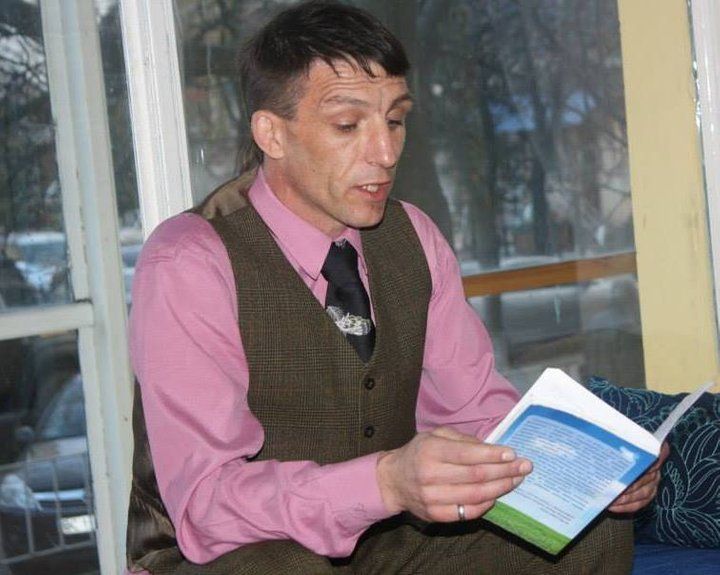
Photo from suspilne.media
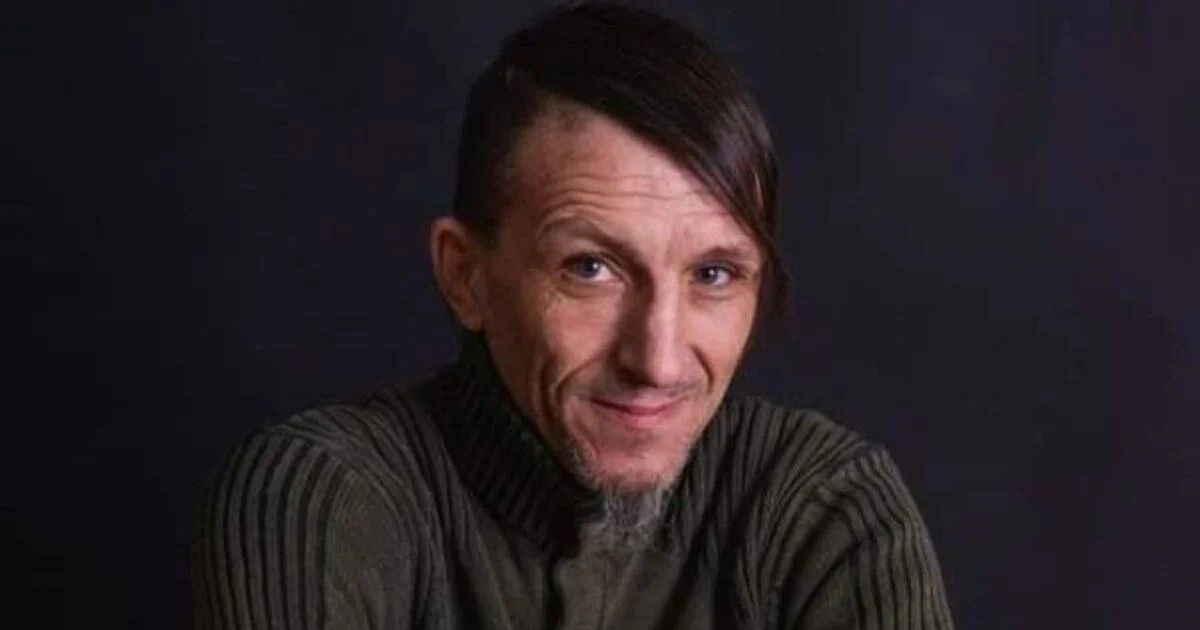
Photo from texty.org

Comments
Some more relevant news for now