









Hot Tea on the Road and the Struggle for Life: How the Berestyn Community Overcomes the Challenges of War
Articles | | 266 | Author: Olena Zelenina
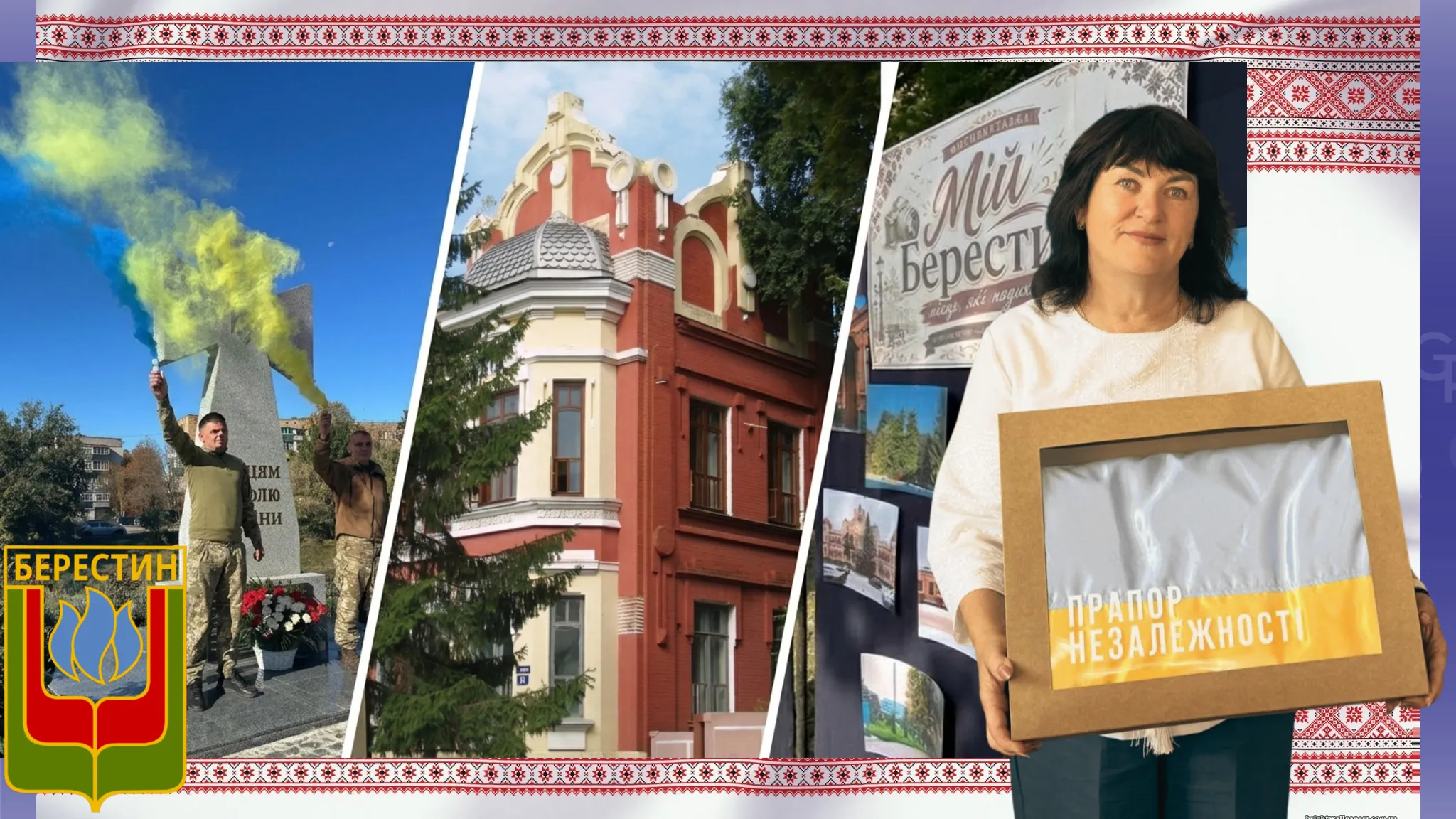
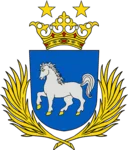
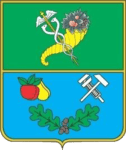
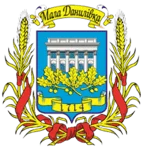
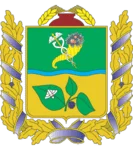
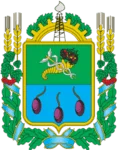
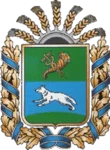
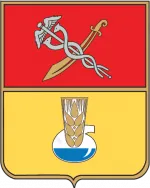
Collage by Olena Zelenina. Photo from Berestin sources.
When darkness descended upon the railway platform and enemy "Shaheds" began to buzz over the city, the "Lviv — Berestyn" train was nearly nine hours late. Inside the carriages were hundreds of exhausted people from Lozova, Kramatorsk, and frontline towns. A long, anxious night lay ahead. But Berestyn did not leave them face-to-face with misfortune...
Local authorities and volunteers immediately organized buses, evacuated the passengers to a neighboring school shelter, and prepared hot food for them.
“We provided people not only with shelter, but also gave them hot mashed potatoes, tea, and oil for the road — everything we had in reserve,” recalls Svitlana Kryvenko, Head of the Berestyn Community.
This touching episode is just one of thousands of daily episodes in the life of the Berestyn Territorial Community (formerly Krasnohrad).
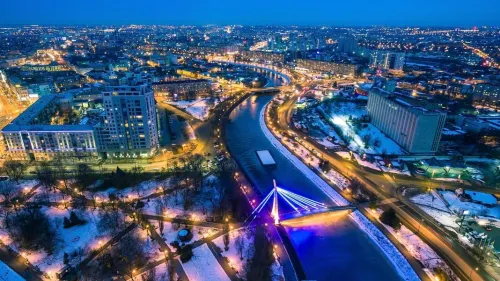
Situated at the strategic crossroads of roads connecting the Kharkiv, Poltava, and Dnipropetrovsk regions, the community has become a true rear outpost.
On the air of Voice of the Community (a joint project of the Kharkiv Press Club and the “Hromada Group” network), the Head of the Berestyn TC, Svitlana Kryvenko, in a candid conversation with journalist Oleksandr Shvets, spoke about what the community lives by today, how it withstands the pressure of war, and what challenges it faces daily.
Shelter for 20 Thousand:
A Quiet Rear with a Big Heart
From the first days of the full-scale invasion, Berestynshchyna has been welcoming waves of evacuated people from Vovchansk, Kupiansk, Kharkiv, as well as from the Donetsk and Luhansk regions. In total, about 20,000 internally displaced persons have passed through the city.
Nearly 10,000 of them registered officially, and over 4,500 people decided to stay here for a long time — they rent housing, buy houses in villages, or live in dormitories of local educational institutions.
“People are even buying those houses in villages that stood abandoned for years, just to find a nook and a roof over their heads,” notes Svitlana Kryvenko. “Unfortunately, there is almost no classical humanitarian aid in the form of food right now. But international partners from Germany (the city of Saint Augustin) help us a lot — they transfer clothing, medicine, wheelchairs, rollators, and crutches for low-mobility citizens.”
In addition, at the expense of the local budget, a free “social taxi” operates in the community, as well as specialized transport that delivers severe hemodialysis patients to hospitals in Kharkiv and Poltava.
Education Underground:
How Berestyn Saves Children's Future
Unlike many frontline territories, the Berestyn community achieved the removal of its status as a zone of possible combat actions two years ago. This made it possible to return children to school desks in a mixed format.
Simplest shelters. All school shelters have been majorly overhauled, equipped with ventilation, heating, and free hot meals.
Underground school. A modern underground school has already been built and commissioned in the community using state funds. The construction of a second such facility is currently temporarily suspended due to funding delays, but the authorities expect to launch it by the next academic year.
Kindergartens. Repair of shelters allowed the restoration of work of four preschool institutions.
“Distance learning is a risk of losing a whole generation of children. Children must communicate, attend clubs, and develop. Live offline learning provides a qualitatively higher level of knowledge, and our medalists and winners of regional Olympiads prove this,” emphasizes the head of the city council.
Utility Deadlock:
Debts, Blocked Accounts, and Personnel Shortage
Along with achievements, the community faces acute financial and utility challenges. The local authorities' biggest headache is the blocked accounts of key enterprises (“Berestyn Vodokanal” and the Housing Maintenance and Operation Enterprise – ZHREP).
Debts were inherited by the community from the former district council. Due to the requirements of the Tax Service and Resolution No. 83, starting September 2, all bank receipts of the enterprises are forcibly seized. In one month, 4 million UAH was seized from Vodokanal, and 1.6 million UAH from ZHREP. However, the total debt does not decrease because fines and penalties continuously accrue on it.
Svitlana Kryvenko has already sent official appeals to the President of Ukraine, the Verkhovna Rada, and the Cabinet of Ministers asking to freeze or write off penalty charges for the duration of the war so that enterprises can function normally.
Another problem is personnel shortage. Thanks to the help of the Kharkiv RMA and the American project “HOVERLA,” the community received over 10 units of new utility equipment, but due to mobilization and the departure of specialists, almost no one is left to operate it: road workers, roofers, and heating engineers are lacking.
Political Games During Wartime Utility problems and the complex process of renaming the city (from Krasnohrad to Berestyn) became the basis for political pressure from opposition forces. A series of several videos with manipulative content appeared on social networks.
Svitlana Kryvenko openly calls these events classic black PR:
“We are patriots not on paper. From the first days of the war, we remain in the city, work under the threat of shelling, hold the community, and help the Armed Forces of Ukraine. The renaming of the city took place strictly according to the law, and attempts to destabilize the situation inside the community during the war are a dirty struggle. Our goal right now is one — to endure, preserve the city, and bring Victory closer.”
Decentralization:
Past Mistakes and a Look into the Future
Analyzing the decentralization reform, the head of the community noted that the initial division of the Krasnohrad district was economically unjust.
The main enterprises of the oil and gas industry ended up on the territory of the neighboring Natalynka community, where the lion's share of rental payments goes. At the same time, all social, medical, and utility infrastructure of the district is concentrated in Berestyn, which is forced to maintain these institutions on its own.
Despite all challenges, the Berestyn community is expanding the list of services of the Administrative Services Center (bringing their number to 380), building new social protection facilities, and preparing for winter together with partners.

Comments
Some more relevant news for now