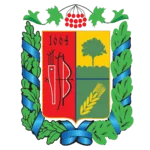
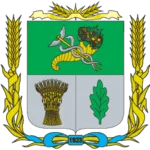
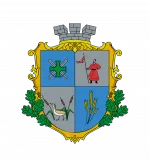


“We don’t say: ‘Go somewhere else’, we do everything so that people stay here, where their roots are”
Articles | | 1,718 | Author: Olena Zelenina
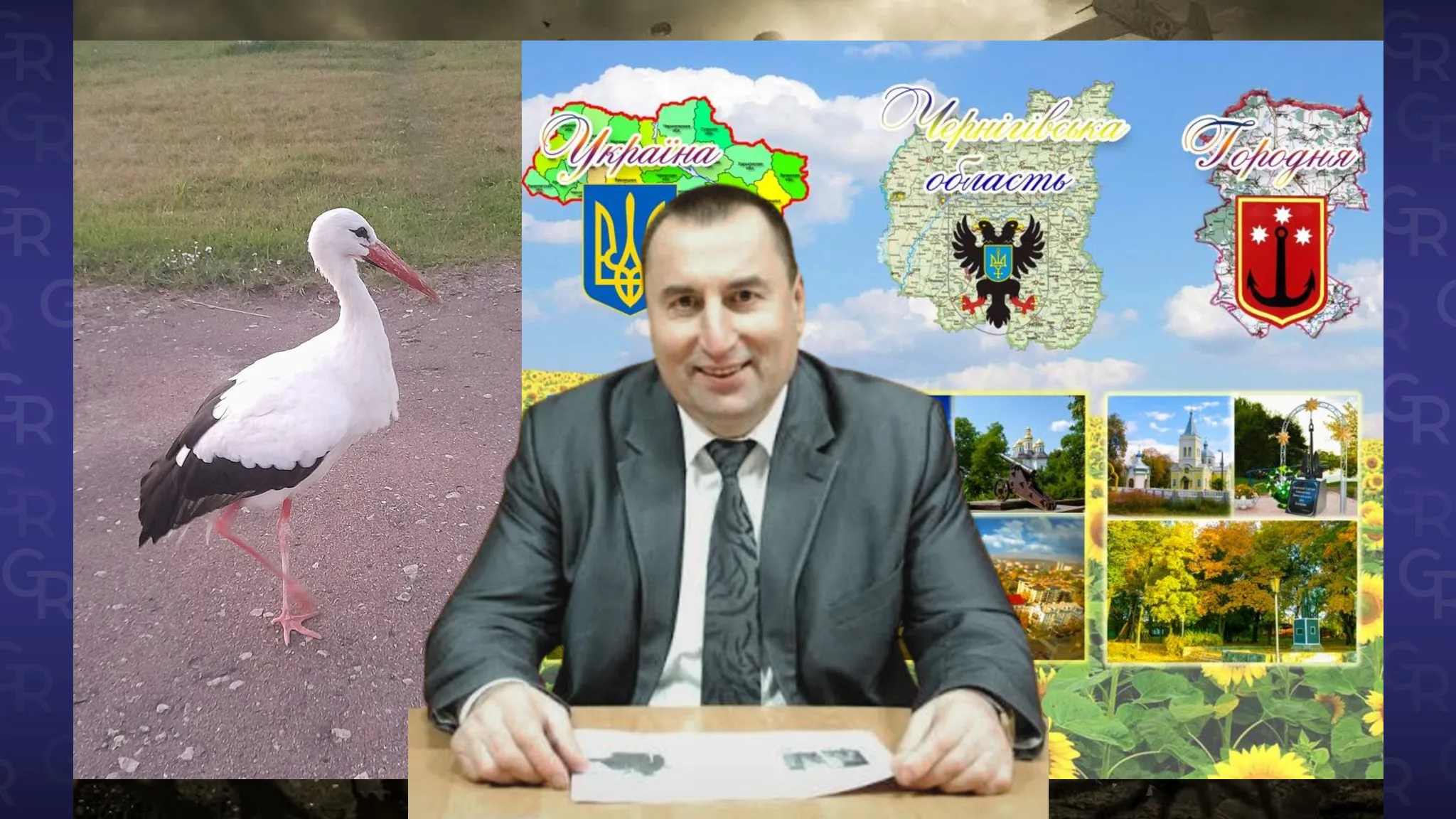
Collage by Olena Zelenina.
“We, Ukrainians, when there is no problem, are relaxed, we can indulge in demagoguery. But when there is a threat, we are united. Living on the border with Russia and Belarus, having family ties on the other side, our people showed impressive patriotism and endurance: they stopped enemy columns, felled trees, showed resistance.”
“And when there were only two ampoules of anesthesia left in the hospital, my deputy gathered 2–3 ampoules at a time in neighboring hromadas to save the wounded.”
“During 40 days of occupation, 8 children were born in Horodnia — and all survived,”
— says the Mayor of Horodnia, Andriy Bohdan.
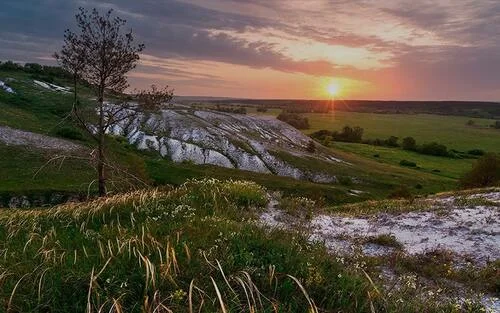
Horodnyanshchyna has always been a special land. It was formed as a northern outpost: first, Old Russian defensive outpost settlements stood here, holding back raids from the north and east; later, Cossack companies (sotnias) of the Chernihiv Regiment guarded freedom and borders.
This centuries-old history crystallized a special genetic code of the local residents — a quiet strength, calm stubbornness, and an unyielding attachment to their own roots.
Today, this code is once again undergoing a test of strength.
A detailed conversation about the current daily life of the region took place on the program “ Voice of the Community” (a joint project of the Kharkiv Press Club and the network of local media “Gromada Group”, hosted by Oleksandr Shvets).
The guest of the episode was the head of the Horodnia urban hromada, Andriy Bohdan, who has been leading the town for many years.
Summary of the Article
Life on the Border with Two Aggressors:
Horodnia urban hromada is the only one in Ukraine bordering both Russia and Belarus simultaneously, with its center located just 30 km from the border. Despite three villages being fully evacuated and two more undergoing relocation due to constant shelling and sabotage-reconnaissance groups (DRGs), the hromada has retained over 19,500 of its pre-war 22,000 population. Instead of displacing people, the local council buys abandoned houses in safer inland villages, renovates them via international funds, and rehouses border residents to prevent the creation of a "grey zone."
Energy Autonomy & Winter Preparation:
Around 90% of public institutions have been converted from gas to local firewood heating, keeping energy funds within the local economy. Critical infrastructure is fortified with solar panels, battery systems, and cascades of generators. The hromada also received mobile diesel boiler houses from the Belgian fund Enabel as an extreme backup. Plans are in place to temporarily relocate high-rise residents to fortified rural school shelters if needed.
International Aid & Horizontal Solidarity:
With a local revenue base of 120M UAH, the hromada secured 64M UAH in direct budget aid from organizations like UN OCHA and the Norwegian Refugee Council, plus 200M UAH worth of solid fuel, food, and financial payouts for residents. Through the national "Side by Side" (Plich-o-plich) project, Pyriatyn hromada provided 1M UAH for building materials, while Slavuta supported holiday trips abroad for children of fallen heroes.
Underground Education & Frontline Healthcare:
Outside the 20-km exclusion zone, 14 school buses operate daily in a hybrid format. Inspired by Kharkiv's underground schools, Horodnia is retrofitting basement spaces in lyceums so primary school children can study safely during air raid alarms. Despite NHSU norm challenges, healthcare is maintained at full capacity—complete with newly recruited specialists, including a surgeon from the occupied Kherson region—to provide immediate care for both civilians and military personnel.
Resilience Forged in Occupation:
Reflecting on the 40 days of total occupation in spring 2022, the town survived through self-organization, local farmers sharing grain and milk, and citizens refusing Russian "humanitarian" handouts. Recently, the town opened the "Alley of Hope" on Ukrainian Statehood Day to honor missing and captive locals, symbolizing the deep-rooted resilience of a historical borderland that continues to hold the shield.
Read more in the Ukrainian edition....

Comments
Some more relevant news for now